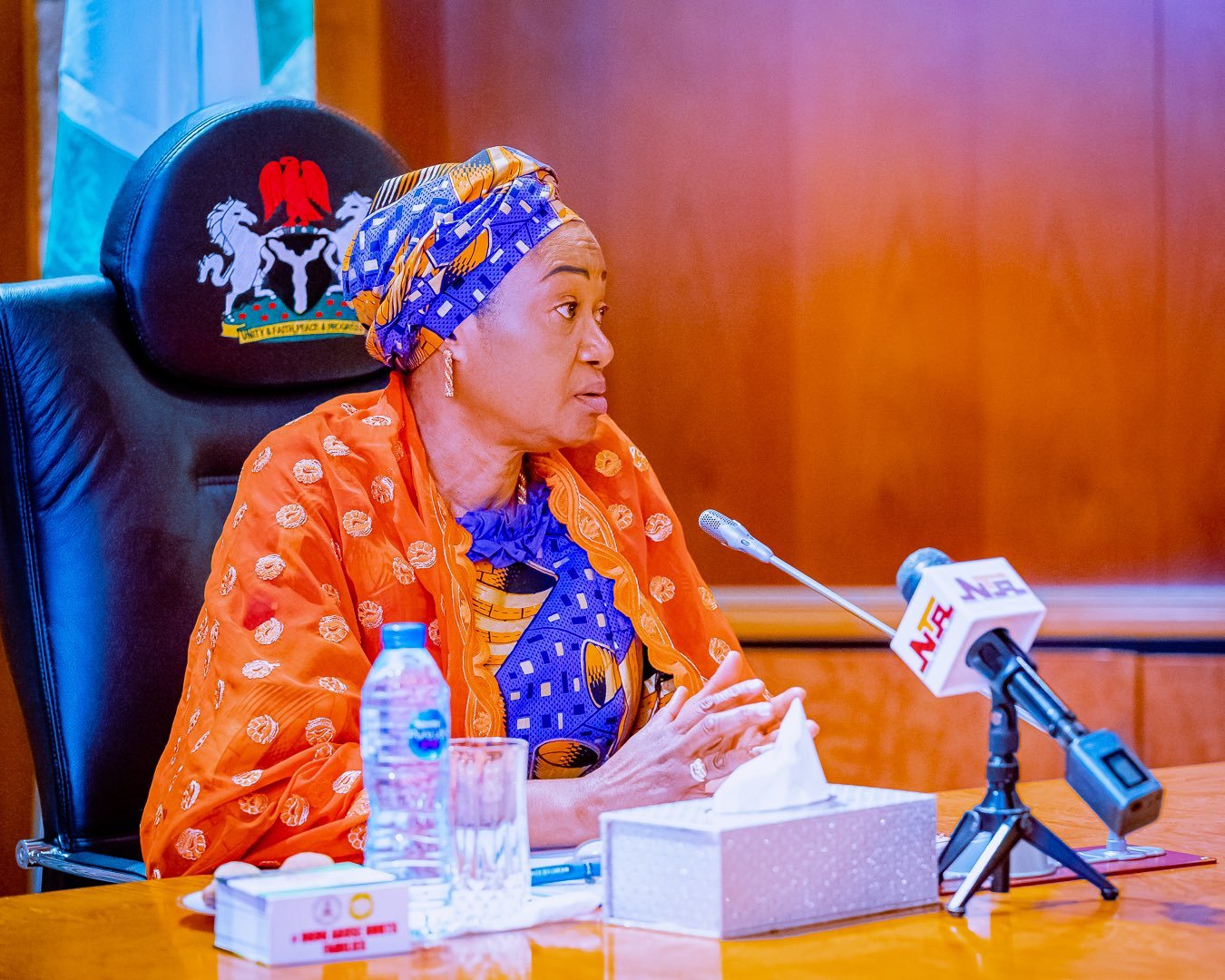
Nigeria’s First Lady, Senator Oluremi Tinubu, has called for collective efforts to eradicate poverty, stressing the need to expand access to education, healthcare, skills acquisition, decent livelihoods and economic opportunities, particularly for vulnerable families.
Her call highlights the importance of coordinated action by government institutions, private-sector organisations, civil society groups and communities in addressing the conditions that keep individuals and families trapped in poverty.
The First Lady’s position also draws attention to the need for interventions that go beyond immediate financial assistance by creating pathways for people to develop skills, access essential services and build sustainable sources of income.
Expanding Access to Education
Education remains an important tool for improving livelihoods and reducing poverty across generations. Access to quality education can equip children and young people with the knowledge and skills needed to pursue employment, entrepreneurship and other economic opportunities.
However, financial constraints, inadequate facilities and other barriers can prevent vulnerable families from accessing educational opportunities. Children from low-income households may face difficulties remaining in school when families struggle to afford learning materials, transportation and other essential expenses.
Expanding access to education therefore requires sustained investment in schools, learning resources, teacher development and programmes that help disadvantaged children remain in education.
Technical and vocational education also has an important role to play. By providing practical skills linked to employment and industry needs, these programmes can help young people prepare for work and develop their capacity to establish businesses.
The First Lady’s emphasis on education reflects the importance of ensuring that opportunities for learning are available to people regardless of their economic circumstances.
Healthcare as a Foundation for Economic Security
Access to affordable healthcare is another important element in the fight against poverty.
When families cannot obtain timely medical care, illness can lead to lost income, increased household expenses and long-term financial difficulties. Vulnerable households may be particularly exposed because they have fewer savings and limited access to financial protection.
Strengthening healthcare access can help reduce these pressures while improving the wellbeing and productivity of individuals and communities.
This requires investment in healthcare facilities, trained personnel, essential medicines and preventive services. It also involves improving access to maternal and child healthcare, immunisation and other services that protect families from avoidable health risks.
For low-income households, accessible healthcare can make a meaningful difference by reducing the likelihood that medical expenses will push them deeper into financial hardship.
Skills Acquisition and Decent Livelihoods
The First Lady also highlighted skills acquisition and decent livelihoods as important parts of efforts to eradicate poverty.
Skills training can help people improve their employment prospects, establish small businesses or strengthen existing income-generating activities. However, training programmes are more likely to produce lasting results when they respond to actual market demand and provide practical experience.
Young people, women, artisans and other vulnerable groups can benefit from programmes that combine technical training with entrepreneurship education, mentorship and access to relevant tools.
For example, training in digital services, manufacturing, agriculture, construction and other trades may create opportunities for participants to earn income, depending on local demand and the availability of resources.
Yet skills alone may not be sufficient. Participants may also need access to finance, equipment, business networks and markets to turn their knowledge into sustainable livelihoods.
A comprehensive approach should therefore connect training with employment opportunities and support for small businesses.
Creating Economic Opportunities for Vulnerable Families
Poverty is not simply a lack of income. It can also involve limited access to education, healthcare, decent housing, productive assets and opportunities to participate in economic life.
Vulnerable families often face several of these challenges simultaneously, making it difficult to improve their circumstances without sustained support.
Expanding economic opportunities can involve supporting small and medium-sized enterprises, improving access to financial services, strengthening agricultural value chains and creating pathways into formal employment.
Social protection programmes can also help households manage periods of economic difficulty, particularly when combined with interventions that build long-term financial independence.
For such measures to be effective, support must reach intended beneficiaries through transparent processes and respond to the specific challenges faced by different communities.
Why Collective Action Matters
Addressing poverty requires cooperation across different parts of society. Government institutions can provide policy direction, essential services and social protection, while businesses can create jobs, invest in skills and develop opportunities for entrepreneurship.
Civil society organisations and community groups can help identify local needs, support vulnerable households and monitor the delivery of interventions.
Partnerships among these stakeholders can also reduce duplication and improve the coordination of poverty-reduction programmes.
At the same time, effective action requires reliable information about the people being served, clear programme objectives and regular assessments of results. Without these elements, even well-intentioned interventions may struggle to deliver lasting improvements.
The First Lady’s call for collective efforts underscores the importance of treating poverty as a shared development challenge rather than a responsibility for any single institution.
Turning Commitments Into Lasting Results
The call to eradicate poverty places education, healthcare, skills acquisition, decent livelihoods and economic opportunities at the centre of the discussion.
The long-term impact of such an approach will depend on whether commitments translate into accessible services, relevant training, sustainable employment and practical support for vulnerable families.
Progress also requires attention to the barriers that prevent people from benefiting from existing programmes, including affordability, limited infrastructure and unequal access to opportunities.
Ultimately, reducing poverty involves creating conditions in which individuals and families can meet their basic needs, develop their abilities and build more secure futures.
By emphasising collective action and access to essential services, Senator Oluremi Tinubu has highlighted the need for coordinated efforts that address both the immediate pressures facing vulnerable households and the underlying barriers to long-term economic progress.