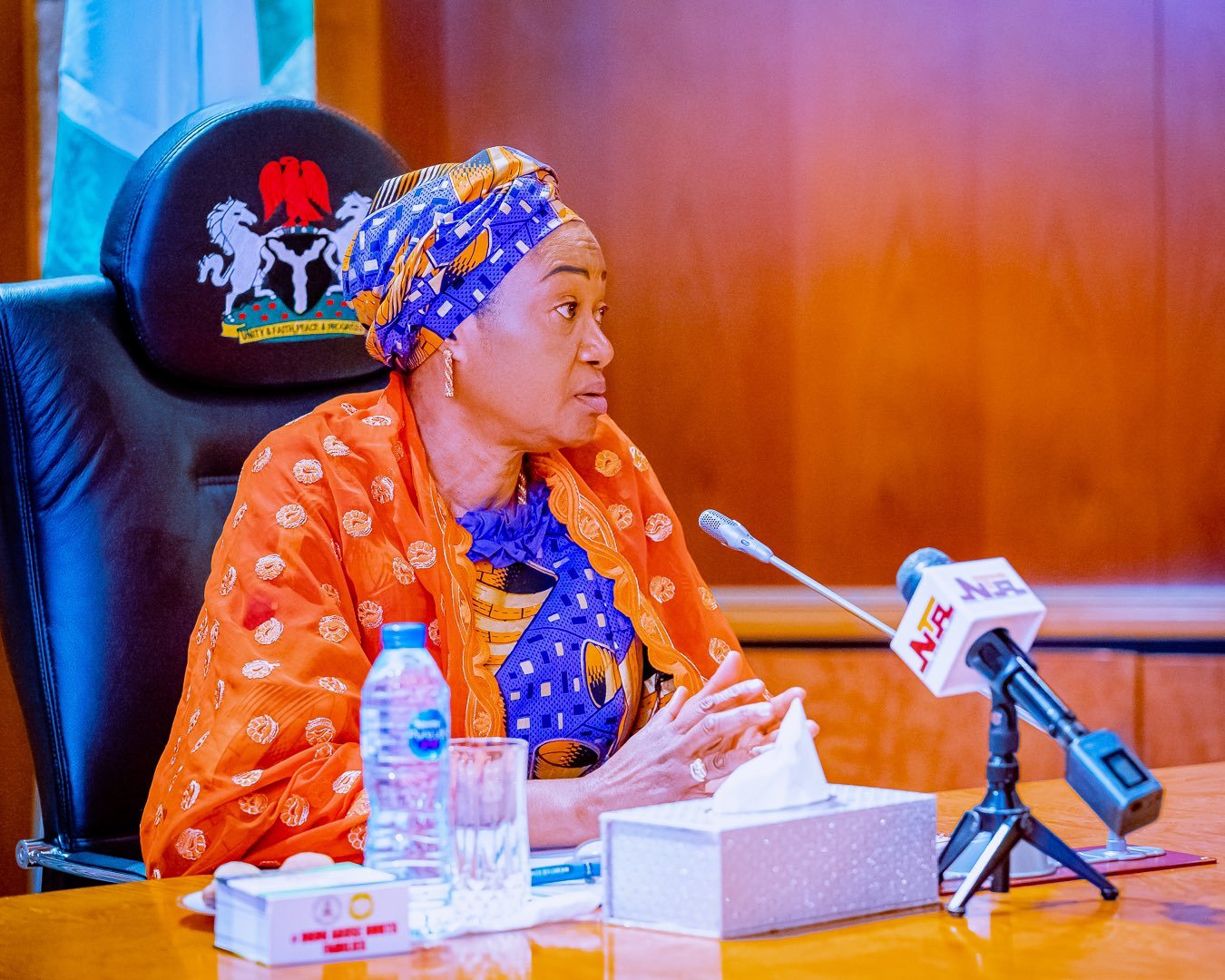
Nigeria’s First Lady, Remi Tinubu, has called for greater support for rural women, emphasising the need to expand economic opportunities and improve access to essential services for women in underserved communities.
Her appeal draws attention to the important role rural women play in agriculture, household management, local trade and community development. However, despite their contributions, many continue to face barriers that limit their economic independence and access to resources.
Addressing these challenges requires coordinated efforts from government institutions, development partners, private organisations and community leaders. Through targeted interventions, stakeholders can help rural women strengthen their livelihoods, improve their financial security and participate more fully in economic and social development.
Recognising Rural Women’s Contributions
Rural women contribute significantly to Nigeria’s economic and social life, particularly through farming, food processing, petty trading and other small-scale enterprises.
In many communities, they help sustain agricultural production, support household incomes and ensure that families have access to food and other necessities. Their activities also contribute to local markets and the wider rural economy.
Nevertheless, their contributions do not always translate into equal access to productive resources and economic opportunities.
For example, limited access to finance, modern farming equipment, markets and business training can restrict the growth of women-owned enterprises. In addition, inadequate infrastructure and the distance between rural communities and essential services can make it more difficult for women to pursue economic activities.
Consequently, greater support for rural women must go beyond recognising their contributions. It should also address the practical barriers that prevent them from expanding their businesses, improving productivity and building sustainable livelihoods.
Expanding Access to Economic Opportunities
Access to finance remains an important consideration for rural women seeking to establish or expand businesses.
Many women operate small enterprises with limited capital, making it difficult to purchase equipment, increase production or respond to changing market conditions. Therefore, accessible financing arrangements, savings programmes and business support initiatives can help them build more sustainable sources of income.
Furthermore, practical training can equip women with skills in financial management, product development, marketing and business planning.
For women working in agriculture, access to improved farming methods, storage facilities, processing equipment and reliable markets can also help reduce losses and increase the value of their produce.
These interventions can have wider benefits because women often reinvest a significant portion of their earnings in household needs, including food, education and healthcare.
However, programmes must reflect the circumstances of individual communities. Rural women do not all face the same challenges, and effective support should respond to their occupations, local markets and available resources.
Improving Access to Essential Services
Beyond economic empowerment, improving rural women’s access to essential services remains crucial to inclusive development.
Healthcare, education, clean water, sanitation, electricity and reliable transportation can influence women’s ability to earn an income and participate in community life.
For instance, limited access to healthcare can impose additional financial and practical burdens on women, while inadequate transportation can make it harder to reach markets, schools and medical facilities.
Similarly, access to education and digital services can create opportunities for women to acquire new skills, obtain business information and connect with wider markets.
Therefore, rural development initiatives should consider the relationship between essential services and women’s economic participation. When communities have better infrastructure and services, women may find it easier to manage household responsibilities while pursuing productive activities.
Strengthening Women’s Participation in Community Development
Rural women also need opportunities to participate in decisions that affect their communities.
Their knowledge of local markets, agricultural practices, household needs and community challenges can help policymakers design programmes that respond to actual conditions on the ground.
For this reason, consultations with women’s associations, cooperative societies, farmers’ groups and local business owners can improve the design and implementation of development initiatives.
Moreover, involving women in community leadership and local planning can help ensure that their concerns receive appropriate attention when authorities allocate resources and establish priorities.
However, meaningful participation requires more than inviting women to meetings. It also involves creating opportunities for them to influence decisions, access information and contribute to the implementation of community projects.
Building Partnerships for Lasting Impact
Supporting rural women requires sustained cooperation among public institutions, financial organisations, civil society groups and the private sector.
Government programmes can provide policy direction and support infrastructure development, while financial institutions can help expand access to appropriate credit and savings products. Meanwhile, development organisations and private businesses can contribute technical expertise, training and market connections.
In addition, community-based organisations can help identify women who need support and ensure that assistance reaches the intended beneficiaries.
Effective partnerships should also include clear targets and monitoring arrangements. By tracking participation, business growth, income changes and access to essential services, stakeholders can assess whether their interventions are producing meaningful results.
Such accountability can help improve programme delivery and ensure that limited resources address the needs of rural communities.
Turning Advocacy Into Measurable Progress
Remi Tinubu’s call for greater support for rural women underscores the importance of placing women’s economic participation and welfare within Nigeria’s wider development agenda.
Nevertheless, lasting progress will depend on how effectively stakeholders translate advocacy into practical interventions. Access to finance, improved infrastructure, relevant training, stronger markets and essential services can all contribute to better outcomes when programmes address the needs of the communities they serve.
Ultimately, empowering rural women is not only a question of individual opportunity. It also concerns agricultural productivity, household welfare, local enterprise and the sustainable development of rural communities.
As efforts to support women continue, the focus will need to remain on practical measures that expand opportunities, remove barriers and enable rural women to contribute fully to Nigeria’s economic and social progress.