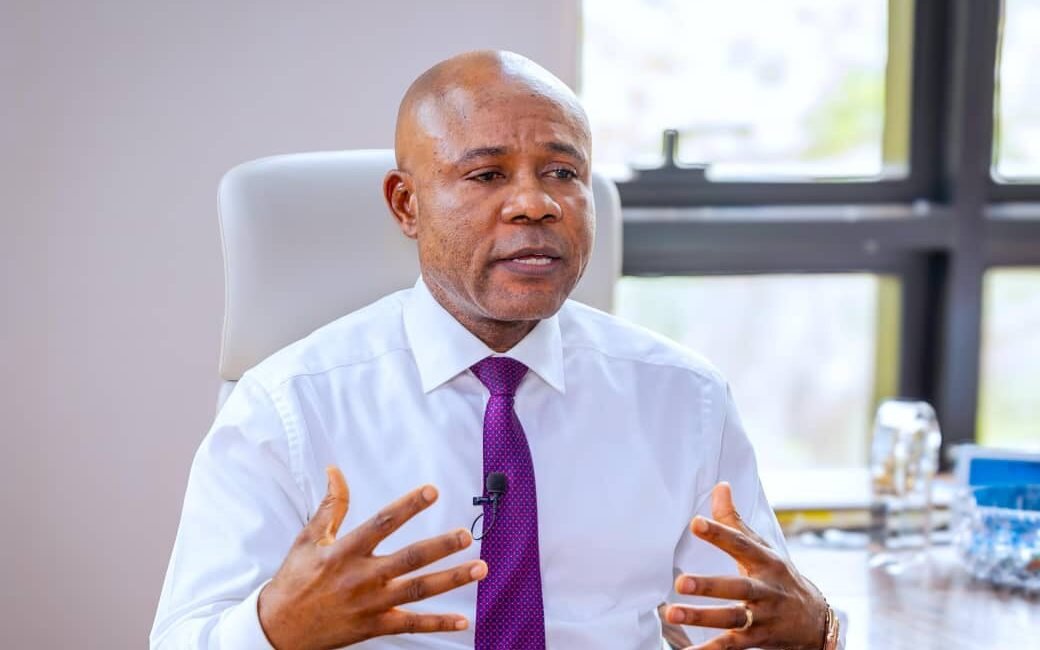
Seyi Tinubu, son of President Bola Tinubu, has urged Nigerians to trust the Federal Government’s economic reforms, arguing that the policies aim to create opportunities and secure a better future for younger generations.
He said the reforms should be viewed not only through their immediate effects but also in terms of the opportunities they could create over time. According to this position, the government’s economic direction seeks to establish conditions that can support long-term growth and expand opportunities for young Nigerians.
His appeal comes amid continued public discussion about the effects of economic policy changes on households, businesses and the wider economy. As Nigerians assess the direction of the country’s economy, the debate increasingly centres on how government decisions can translate into jobs, investment, improved living conditions and opportunities for the next generation.
Seyi Tinubu Emphasises the Long-Term Purpose of Reforms
Seyi Tinubu’s message centres on the need for Nigerians to consider the intended long-term benefits of the Federal Government’s economic policies.
Economic reforms often involve changes to existing arrangements in pursuit of broader objectives, including improving public finances, encouraging investment and strengthening the foundations for sustainable growth. However, their effects can vary across households, businesses and different segments of society.
Consequently, public confidence remains an important part of the reform process. When governments introduce significant economic changes, citizens naturally want to understand the reasons behind them, the expected benefits and the measures available to address the difficulties that may arise during implementation.
Against this background, Seyi Tinubu’s appeal places trust at the centre of the conversation. His position suggests that Nigerians should consider the government’s stated objectives alongside the immediate pressures that economic changes may create.
Nevertheless, public trust depends not only on explanations but also on results. Citizens need clear information about policy decisions, while measurable improvements in employment, purchasing power and access to economic opportunities can help demonstrate whether reforms are achieving their intended goals.
Younger Nigerians at the Centre of the Debate
A key part of Seyi Tinubu’s message is the future of younger generations. For many young Nigerians, economic opportunity remains closely linked to access to employment, affordable education, entrepreneurship, skills development and the ability to build financially secure lives.
Therefore, the question of how economic reforms affect young people extends beyond national economic indicators. It also concerns whether graduates can find meaningful employment, whether small businesses can expand and whether aspiring entrepreneurs can access the resources they need to turn ideas into viable ventures.
Furthermore, a stronger economy can create opportunities across different sectors, provided that growth translates into productive activity and reaches a broad section of the population.
However, young Nigerians also face immediate concerns about the cost of living, income stability and the resources required to establish independent households. For this reason, discussions about long-term economic benefits must also address the realities that young people experience today.
The extent to which the government’s policies improve these conditions will remain an important measure of their practical impact.
Balancing Immediate Pressures With Long-Term Goals
Economic reform debates often involve a difficult question: how can a country pursue structural changes while responding to the immediate needs of its citizens?
Supporters of reform may emphasise the need to address underlying economic challenges and create conditions for future growth. At the same time, households and businesses must manage the day-to-day consequences of changing prices, operating costs and income pressures.
Both considerations shape public understanding of economic policy. While long-term objectives may guide government decisions, citizens also look for evidence that policymakers recognise their present circumstances and are taking practical steps to address them.
Accordingly, building confidence requires consistent communication, transparent implementation and a clear explanation of how policies are expected to benefit different groups.
It also requires attention to those who may struggle to adjust to economic changes. Measures that support vulnerable households, improve access to productive opportunities and strengthen the capacity of small businesses can influence how people experience the wider reform process.
For the government, the challenge is to connect its economic objectives with improvements that citizens can recognise in their daily lives.
Public Confidence Depends on Results
Seyi Tinubu’s call for trust highlights the importance of public confidence as Nigeria continues to debate the direction of its economic policies.
However, trust cannot depend on assurances alone. Nigerians will also look to economic outcomes to determine whether the government’s approach is delivering on its stated objectives.
Indicators such as employment opportunities, business expansion, household purchasing power and access to essential services can help citizens assess the effects of economic policy over time. Equally important is whether younger Nigerians can find pathways into productive work and develop businesses that contribute to national growth.
Moreover, regular communication about policy implementation can help the public understand what the government intends to achieve, the progress it has made and the challenges that remain.
Such transparency allows citizens to evaluate economic decisions based on evidence rather than promises alone.
A Continuing Conversation About Nigeria’s Economic Future
Seyi Tinubu’s appeal adds to the broader discussion about public confidence in the Federal Government’s economic direction and the future facing younger Nigerians.
His message emphasises the government’s stated intention to create opportunities and build a stronger foundation for future generations. At the same time, the debate surrounding economic reform reflects the importance of balancing long-term objectives with the immediate needs of citizens.
Ultimately, the success of any reform programme will depend on whether its intended benefits translate into tangible improvements in people’s lives.
For younger Nigerians in particular, the central question is whether economic policies can expand access to jobs, encourage enterprise and create conditions in which ambition can lead to meaningful progress.
As the government pursues its economic agenda, the relationship between public trust, policy implementation and measurable results will remain central to how Nigerians assess the country’s economic future.