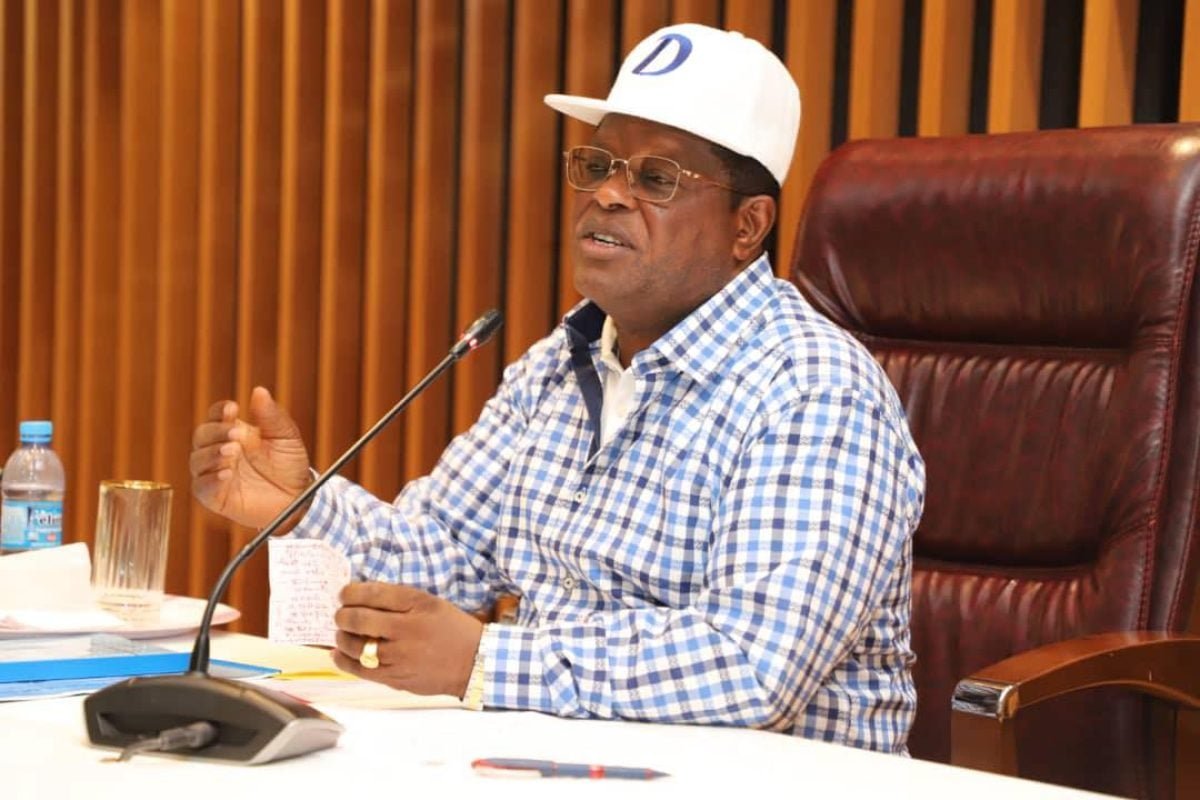
The Minister of Works, David Umahi, on Monday dismissed reports that the Federal Government had abandoned the 750-kilometre Lagos-Calabar Coastal Highway in favour of the East-West Road.
Umahi’s response addresses concerns surrounding the government’s priorities for two major road infrastructure projects, both of which are expected to support transportation and economic activities across different parts of the country.
The Lagos-Calabar Coastal Highway is designed to connect communities along Nigeria’s southern coastline, while the East-West Road serves as an important transport corridor linking parts of the Niger Delta and other areas in the South-South region.
The minister’s clarification places renewed attention on the status of the coastal highway and the Federal Government’s approach to implementing multiple infrastructure projects at the same time.
Umahi Rejects Abandonment Claims
Responding to the reports, Umahi rejected the suggestion that the Federal Government had discontinued work on the Lagos-Calabar Coastal Highway to prioritise the East-West Road.
His position indicates that the government’s road infrastructure programme should not be interpreted as a choice between the two projects.
Major road developments often involve different funding arrangements, construction schedules, engineering requirements and implementation stages. Consequently, activity on one project does not necessarily mean another has been abandoned.
However, determining the actual status of a road project requires clear information about construction progress, funding, contractor activities and approved implementation schedules.
Umahi’s remarks therefore bring attention to the need for consistent communication about the progress of major federal infrastructure projects.
Lagos-Calabar Coastal Highway Remains in Focus
The proposed 750-kilometre Lagos-Calabar Coastal Highway is one of the Federal Government’s major road infrastructure initiatives.
The project is intended to improve connectivity along the southern coastline and strengthen transportation links between communities, commercial centres and economic hubs.
Improved coastal connectivity could support trade, tourism, logistics and other economic activities by providing additional transport routes and facilitating the movement of people and goods.
The highway has also attracted public attention because of its scale, construction costs, environmental considerations and implications for communities along its route.
Given the size of the project, its implementation involves substantial engineering and logistical requirements. These include land access, construction planning, drainage, environmental considerations and the coordination of activities across different locations.
The project’s ultimate value will depend on the quality of construction, the delivery of planned sections and the extent to which the highway improves connectivity for the communities and businesses it is intended to serve.
East-West Road Remains an Important Transport Corridor
The East-West Road is a major transportation route in the Niger Delta, connecting communities and economic centres across the region.
The road is particularly important for the movement of people, agricultural produce, commercial goods and industrial materials. Its condition can influence travel times, transport costs and access to markets and public services.
For communities that depend on the corridor, completing outstanding sections and maintaining existing stretches remain important infrastructure priorities.
The road’s strategic importance does not, however, establish that it has replaced the coastal highway in the Federal Government’s development plans.
Instead, the two projects serve different but potentially complementary transportation needs. Their respective benefits depend on implementation progress, connectivity with other routes and the quality of the completed infrastructure.
Balancing Multiple Infrastructure Priorities
Nigeria’s road infrastructure programme faces the challenge of addressing needs across a large and economically diverse country.
The Federal Government must consider competing demands involving road construction, rehabilitation, maintenance and the completion of projects already underway.
These responsibilities require careful planning, financing and monitoring to ensure that available resources are used effectively.
When several major projects are being executed simultaneously, public communication becomes particularly important. Clear updates on budgets, construction milestones, timelines and outstanding work can help citizens understand how projects are progressing.
Such information can also distinguish between a project that has been abandoned, one experiencing delays and another proceeding according to its implementation schedule.
For the Lagos-Calabar Coastal Highway, regular disclosure of construction progress would help provide a clearer picture of the project’s status beyond competing public claims.
Transparency and Project Delivery
Umahi’s dismissal of the abandonment reports places the focus on the Federal Government’s stated commitment to the coastal highway.
Nevertheless, the long-term assessment of the project will depend on observable progress, including completed sections, construction activity, funding continuity and adherence to applicable engineering standards.
Infrastructure projects must also be assessed against their costs, intended benefits and effects on surrounding communities.
For the East-West Road, similar considerations apply to the completion of outstanding works and the maintenance of sections already in use.
Transparent reporting can help the public evaluate both projects on their individual merits while providing a clearer understanding of the government’s wider infrastructure priorities.
Attention Turns to Construction Progress
The minister’s remarks have rejected the claim that the Lagos-Calabar Coastal Highway has been abandoned in favour of the East-West Road. The statement brings the discussion back to the status of the projects and the need for clarity about their implementation.
Both roads have potential implications for regional connectivity, commerce and economic activity, although their benefits will depend on effective delivery and maintenance.
As work continues on Nigeria’s wider road infrastructure programme, the key issues remain the pace of construction, the responsible use of public funds and the delivery of durable roads that meet the needs of communities and businesses.
Ultimately, the status of the Lagos-Calabar Coastal Highway will be best assessed through verified construction updates, documented funding arrangements and progress against its approved implementation plans.