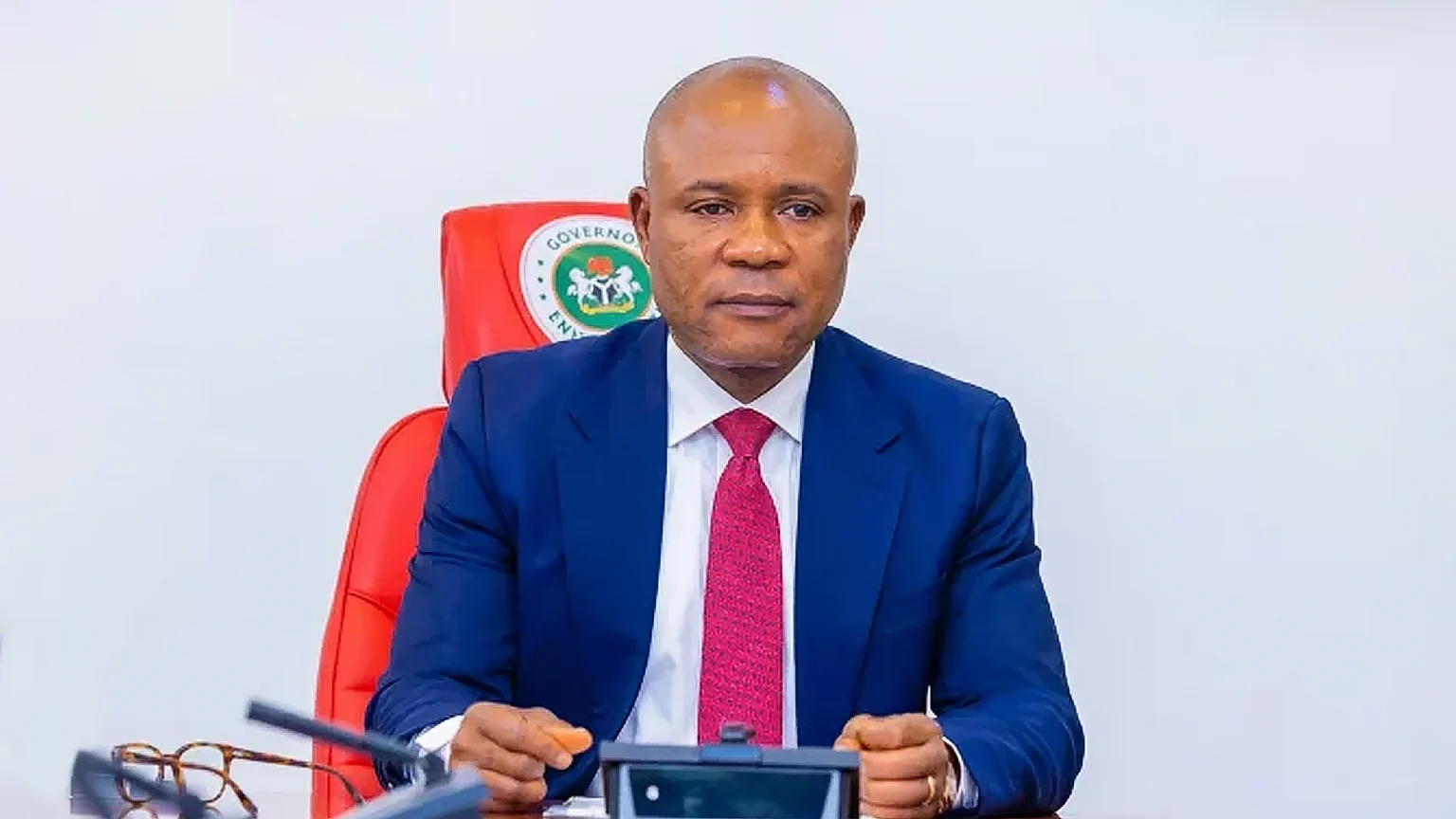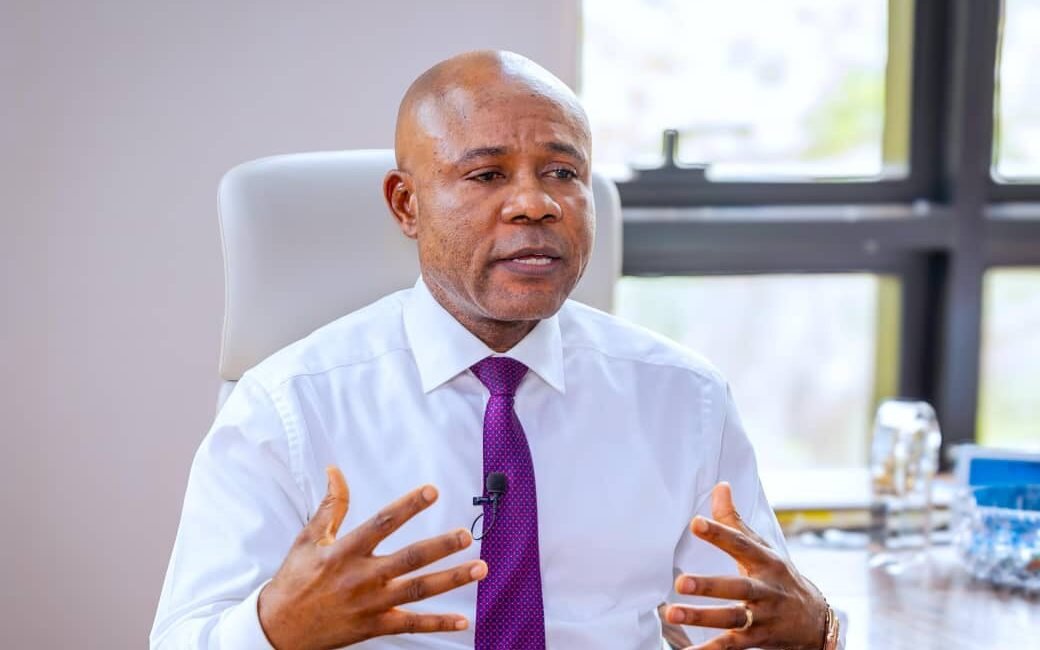
Governor Peter Mbah of Enugu State has approved the recruitment of 6,580 qualified candidates into various academic, technical, and administrative positions across public primary and junior secondary schools, marking one of the largest education employment exercises in the state’s recent history.
The recruitment is expected to strengthen teaching and learning across the public education system, with particular attention given to the state’s flagship 267 Smart Green Schools, an initiative designed to modernise education through technology, innovation, environmental sustainability, and improved learning infrastructure.
According to the state government, the newly recruited personnel will serve in different capacities, including classroom teaching, technical support, school administration, information technology, and other specialised functions required to ensure the successful operation of the Smart Green Schools programme.
Furthermore, the recruitment aligns with Governor Mbah’s broader education reform agenda, which seeks to improve learning outcomes, expand access to quality education, strengthen human capital development, and prepare young people with the skills required for a rapidly evolving global economy.
Education stakeholders have described the recruitment as a significant investment in both the education sector and the future of Enugu State, noting that adequate staffing remains essential for delivering quality education and sustaining ongoing reforms.
A Major Investment in Education
The approval of 6,580 new appointments represents a significant expansion of Enugu’s education workforce.
Furthermore, increasing the number of qualified personnel is expected to improve classroom instruction and strengthen school management.
Education requires qualified professionals.
Strong schools depend on capable teachers and support staff.
Quality begins with people.
Supporting the Smart Green Schools Initiative
The recruitment places considerable emphasis on the state’s 267 Smart Green Schools.
Furthermore, these schools are designed to integrate technology, innovation, digital learning, environmental sustainability, and modern educational practices.
Modern schools require modern skills.
Qualified personnel remain essential for achieving the programme’s long-term objectives.
Innovation strengthens learning.
Expanding Teaching Capacity
Teachers remain central to educational success.
Furthermore, recruiting additional qualified educators will reduce staffing shortages while improving teacher-to-pupil ratios across public schools.
More teachers improve learning.
Effective classroom instruction depends upon well-trained professionals.
Education transforms lives.
Technical Personnel Strengthen Modern Learning
The recruitment extends beyond classroom teaching.
Furthermore, technical personnel will support digital infrastructure, educational technology, equipment maintenance, and other specialised services.
Technology supports education.
Modern schools require skilled technical professionals to function effectively.
Innovation needs expertise.
Administrative Staff Improve School Operations
Administrative personnel also play important roles within schools.
Furthermore, efficient administration allows teachers to focus more effectively on classroom instruction while improving institutional management.
Organisation improves efficiency.
Strong administration supports quality education.
Effective management strengthens schools.
Preparing Learners for the Future
Governor Peter Mbah education reforms emphasise future readiness.
Furthermore, Smart Green Schools aim to equip learners with digital knowledge, problem-solving abilities, creativity, and practical skills required in modern economies.
Future skills create opportunity.
Education increasingly extends beyond traditional classroom instruction.
Knowledge powers development.
Creating Employment Opportunities
The recruitment exercise also provides significant employment opportunities for qualified residents.
Furthermore, expanding public sector employment contributes positively to household incomes while strengthening the education sector.
Employment supports communities.
Qualified professionals now gain opportunities to contribute directly to educational development.
Jobs strengthen economies.
Strengthening Human Capital Development
Education remains one of the strongest drivers of long-term economic growth.
Furthermore, investing in teachers and educational institutions contributes directly to human capital development.
People remain the greatest resource.
Skilled graduates strengthen national competitiveness.
Learning supports prosperity.
Improving Public Education
The recruitment demonstrates continued investment in public education.
Furthermore, strengthening government schools expands educational opportunities for children regardless of their economic background.
Public education promotes inclusion.
Quality education remains essential for sustainable development.
Investment creates lasting value.
Looking Toward Long-Term Transformation
Education experts believe sustained investment remains essential for achieving lasting reforms.
Furthermore, infrastructure development, teacher recruitment, curriculum improvement, digital technology, and continuous training must progress together.
Comprehensive reforms deliver results.
Long-term commitment strengthens educational excellence.
Progress requires consistency.
Looking Ahead
Governor Peter Mbah approval of the recruitment of 6,580 qualified personnel into Enugu State’s public primary and junior secondary schools represents another significant step in strengthening the state’s education system. Furthermore, the strong emphasis on staffing the 267 Smart Green Schools reflects the administration’s commitment to combining quality teaching with technology, innovation, sustainability, and modern educational practices.
As the newly recruited academic, technical, and administrative personnel assume their responsibilities, expectations remain high that the expanded workforce will improve classroom instruction, strengthen school administration, enhance digital learning, and contribute significantly to raising educational standards across Enugu State. Through sustained investment in teachers, infrastructure, technology, and human capital development, the state continues positioning its education sector as a foundation for long-term economic growth and social progress.