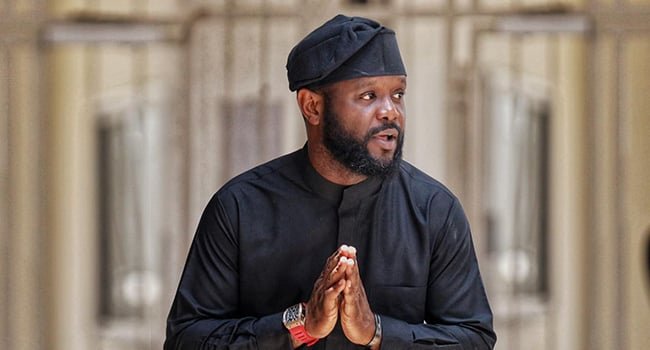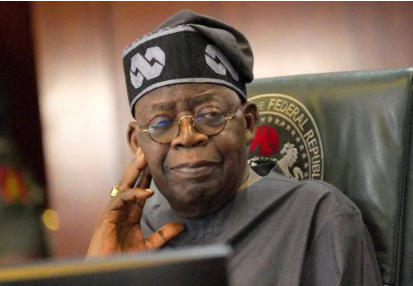
President Bola Ahmed Tinubu and 16 other presidential candidates have signed the 2027 National Peace Accord, pledging to promote peaceful and responsible political campaigns ahead of Nigeria’s next general elections.
The candidates signed the accord on Tuesday as part of efforts to encourage peaceful political competition and discourage actions capable of undermining the electoral process.
Under the agreement, the candidates pledged to conduct issue-based campaigns and reject violence, hate speech, misinformation, and artificial intelligence-generated disinformation.
Commitment to Peaceful Elections
The signing comes as political activities gradually intensify ahead of the 2027 elections.
Furthermore, political campaigns can influence public attitudes and shape relationships between supporters of competing parties.
Peaceful campaigns can reduce tensions.
Responsible political messaging can strengthen trust.
Constructive competition can improve democratic participation.
The accord therefore seeks to encourage candidates and their supporters to prioritise peaceful engagement throughout the electoral period.
Rejecting Political Violence
Violence remains one of the major concerns surrounding electoral politics in many democracies.
Furthermore, political violence can discourage voter participation and create fear within communities.
It can disrupt campaigns.
It can damage public property.
It can also undermine confidence in democratic institutions.
By signing the accord, the presidential candidates have pledged to reject violence and encourage peaceful political engagement.
Campaigning on Issues
The candidates also committed themselves to issue-based campaigns.
Furthermore, issue-based politics allows candidates to present their policies, programmes, records, and plans for the country.
Voters can compare competing policies.
Candidates can explain their economic plans.
Parties can debate national priorities.
Such campaigns can help voters make more informed decisions at the ballot box.
The Challenge of Hate Speech
Hate speech can deepen political divisions, particularly in a diverse country such as Nigeria.
Furthermore, inflammatory statements can spread quickly through traditional media and social media platforms.
Responsible communication can reduce tensions.
Respectful debate can encourage dialogue.
Political leaders can influence the tone of public discussions.
The peace accord therefore places responsibility on candidates to avoid messages that could provoke hostility among supporters.
Misinformation and Election Campaigns
Misinformation has become another major challenge for modern elections.
Furthermore, false claims can spread rapidly online before fact-checkers or authorities can respond.
False information can confuse voters.
It can damage reputations.
It can influence public perceptions.
Candidates who commit to responsible communication can help reduce the spread of misleading information.
AI-Generated Disinformation
The accord’s reference to artificial intelligence-generated disinformation reflects the changing nature of electoral campaigns.
AI tools can create realistic images, videos, audio recordings, and written content.
These technologies can support legitimate communication.
However, malicious actors can also use them to create convincing false material.
AI-generated content can impersonate candidates.
Fake recordings can create confusion.
Manipulated videos can spread false narratives.
The candidates’ commitment to reject such practices is therefore significant as Nigeria approaches another major election.
Responsibility of Political Parties
The responsibility for peaceful elections does not rest only with presidential candidates.
Furthermore, political parties, campaign organisations, supporters, influencers, media organisations, and online communities also have important roles to play.
Parties can enforce campaign standards.
Supporters can avoid inflammatory content.
Media organisations can verify claims.
Technology platforms can strengthen content monitoring.
Role of Voters
Voters also have a responsibility to verify information before sharing it.
Furthermore, social media users can unknowingly contribute to misinformation by forwarding unverified claims.
Citizens should check sources.
They should question suspicious content.
They should avoid sharing manipulated material.
Responsible citizens can help protect the integrity of public debate.
Turning the Accord Into Action
Signing a peace agreement represents an important commitment.
However, its real value will depend on how candidates and their supporters behave throughout the campaign and after the election.
Political leaders must uphold their commitments.
Parties must discourage violations.
Authorities must respond to threats.
Citizens must demand responsible politics.
Looking Ahead
The signing of the 2027 National Peace Accord provides an opportunity for Nigeria’s presidential candidates to demonstrate that political competition can remain peaceful and focused on national issues.
The pledge against violence, hate speech, misinformation, and AI-generated disinformation is particularly relevant as technology continues to transform political communication.
Ultimately, the strength of the accord will be measured by actions, not signatures. Peaceful campaigns, responsible communication, respect for opponents, and credible information will be essential to ensuring that Nigerians can participate confidently in the 2027 electoral process.