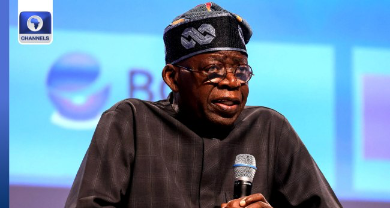
President Bola Ahmed Tinubu will join world leaders to address the 81st Session of the United Nations General Assembly (UNGA 81) General Debate on September 23 in New York.
The appearance will provide the Nigerian president with an international platform to present the country’s priorities and engage with other global leaders on issues affecting Nigeria, Africa, and the wider international community.
Nigeria Takes Its Message to the Global Stage
The United Nations General Assembly remains one of the most important platforms for international diplomacy.
Furthermore, the annual General Debate brings together leaders from countries across the world to discuss major global challenges and national priorities.
World leaders present their positions.
Countries highlight shared challenges.
Diplomatic discussions create opportunities for cooperation.
Tinubu’s participation will therefore place Nigeria among countries presenting their perspectives during the high-level gathering.
UNGA 81 and Global Challenges
The 81st General Assembly comes at a period of significant international challenges.
Furthermore, governments continue to confront issues involving security, economic development, climate change, technological transformation, food security, energy, and international cooperation.
These issues affect developing economies significantly.
Nigeria has interests across many of these areas.
The General Debate can provide an opportunity for the country to draw international attention to its priorities.
Nigeria’s Economic Interests
Tinubu’s appearance could also provide a platform for promoting Nigeria’s economic interests.
Furthermore, Nigeria continues to seek greater investment, stronger trade relationships, technology partnerships, and opportunities for economic expansion.
International investment can support development.
Trade partnerships can expand markets.
Technology cooperation can strengthen productivity.
Presenting Nigeria’s economic priorities to global leaders can therefore support the country’s broader diplomatic and economic agenda.
Africa’s Voice
Nigeria remains one of Africa’s most influential countries.
Furthermore, its position on international issues can contribute to wider discussions about the continent’s development and interests.
African countries face shared challenges.
Development requires international cooperation.
Global institutions influence economic opportunities.
Nigeria’s participation can therefore provide an opportunity to highlight issues affecting Africa and developing countries.
Security and Global Cooperation
Security is another area that could feature prominently in Nigeria’s international engagement.
Furthermore, Nigeria continues to confront complex security challenges that require both domestic strategies and international cooperation.
Terrorism crosses borders.
Organised crime operates internationally.
Cyber threats continue to evolve.
International partnerships can strengthen the capacity of countries to address these challenges.
Climate and Energy Priorities
Nigeria’s energy sector also remains important to its economic development.
Furthermore, the global transition toward cleaner energy creates both challenges and opportunities for oil and gas-producing countries.
Nigeria needs investment.
Energy security remains important.
Climate commitments require strategic planning.
International discussions can help Nigeria pursue an approach that balances economic development with environmental responsibilities.
Technology and Digital Transformation
Technology is becoming increasingly important to international development.
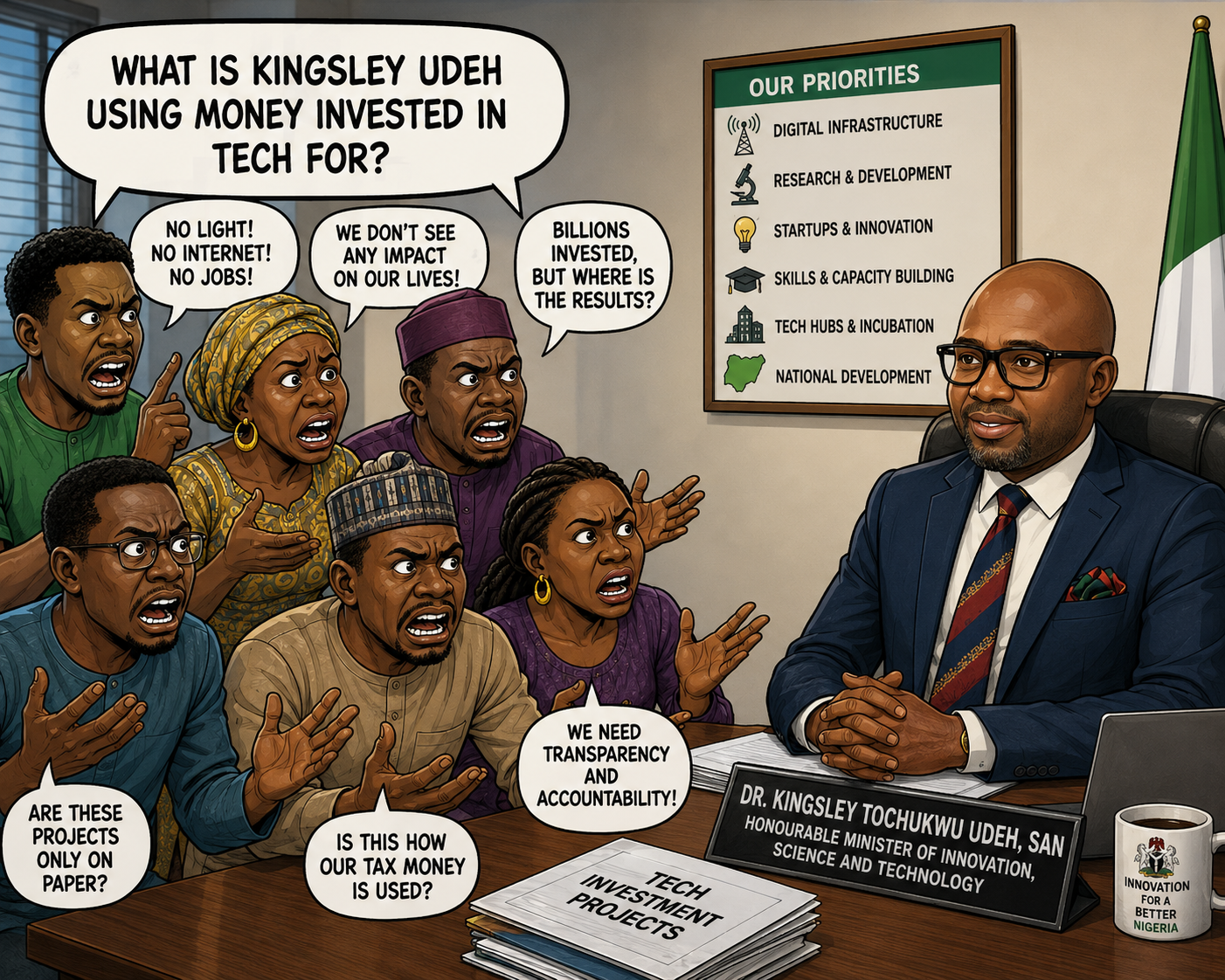
Furthermore, Nigeria has continued to promote digital transformation, innovation, artificial intelligence, digital skills, and technology investment.
Digital partnerships can create opportunities.
Innovation can support economic growth.
Technology can improve public services.
Nigeria’s digital ambitions can therefore form part of its broader international engagement.
Diplomatic Engagement
UNGA also provides opportunities for bilateral and multilateral discussions beyond the General Debate.
Furthermore, world leaders often use the gathering to hold meetings with counterparts, international organisations, investors, and other stakeholders.
Diplomatic meetings can strengthen relationships.
New partnerships can emerge.
Existing cooperation can deepen.
Nigeria can use these opportunities to advance its national interests.
Nigeria’s Global Role
Tinubu’s participation will also reinforce Nigeria’s continued engagement with multilateral institutions.
Furthermore, Nigeria has historically played important roles in international diplomacy, peacekeeping, regional cooperation, and African affairs.
Multilateral engagement strengthens diplomatic influence.
International cooperation supports shared solutions.
Nigeria’s voice can contribute to global discussions.
Looking Ahead to September 23
President Tinubu’s planned address at the UNGA 81 General Debate on September 23 will give Nigeria an opportunity to communicate its priorities to an international audience.
The speech will be closely watched for the administration’s positions on economic development, security, energy, investment, technology, climate change, and Nigeria’s role in global affairs.
The gathering could also create opportunities for diplomatic and economic engagement on the sidelines.
Ultimately, Tinubu’s participation at UNGA 81 provides Nigeria with an important platform to present its national priorities, strengthen international partnerships, and contribute to conversations shaping the global agenda.