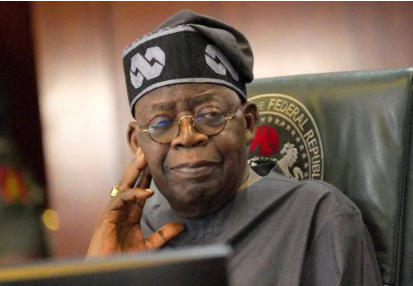
President Bola Ahmed Tinubu and governors elected on the platform of the All Progressives Congress (APC) have agreed to work together to reduce transportation costs across the states, with October 1, 2026, set as the target date for Nigerians to begin benefiting from lower fares.
The agreement signals a coordinated effort between the Federal Government and APC-led state governments to address transportation costs, which remain an important component of household expenses and the wider cost-of-living challenge.
The planned intervention could affect commuters, workers, students, traders, businesses, and transport operators across different parts of the country.
Tinubu Seeks Coordinated Transport Intervention
The agreement places emphasis on cooperation between the Federal Government and states rather than relying on isolated measures.
Furthermore, transportation operates across multiple levels of government and involves several factors that influence the final cost paid by passengers.
Fuel prices can affect fares.
Vehicle maintenance can increase operating expenses.
Road conditions can influence travel costs.
Interstate transportation can also involve several charges and logistical expenses.
A coordinated approach could therefore help governments address different components of the problem simultaneously.
October 1 Target Date
The choice of October 1, 2026, as the target date gives federal and state authorities a specific deadline for implementing measures designed to lower transportation costs.
Furthermore, a defined deadline can encourage government agencies and state authorities to accelerate preparations.
The effectiveness of the plan will depend on the specific measures adopted and how quickly they reach transport operators and commuters.
Nigerians will ultimately judge the initiative by the fares they actually pay.
Transportation Costs Affect Household Budgets
Transport expenses have a significant effect on household finances.
Furthermore, workers who commute daily can spend a substantial portion of their income travelling between their homes and workplaces.
Students also depend on affordable transportation to attend schools and higher institutions.
Traders require transportation to access markets.
Families need affordable mobility for healthcare, shopping, and other essential activities.
Reducing transport costs could therefore provide relief across several groups.
Impact on Businesses
Lower transportation costs could also support businesses.
Furthermore, companies depend on transportation to move workers, raw materials, equipment, and finished products.
High logistics costs can increase production expenses.
Businesses may transfer those expenses to consumers.
Lower transport costs could help reduce some pressure across supply chains.
Small businesses could particularly benefit because they often operate with limited financial margins.
Potential Relief for Transport Operators
Any successful intervention will also need to consider the economics of transport operators.
Furthermore, operators must cover fuel, vehicle maintenance, spare parts, insurance, staff wages, taxes, and other operating expenses.
If government measures reduce some of these costs, operators may have greater capacity to lower fares without operating at unsustainable losses.
This balance will be important because forcing fares downward without addressing operating costs could create additional challenges for the transport sector.
Federal and State Cooperation
The agreement between Tinubu and APC governors highlights the importance of collaboration between different levels of government.
Furthermore, states can introduce transport programmes suited to their individual circumstances while aligning them with broader national objectives.
Some states may focus on public buses.
Others may support mass transit systems.
Some may improve road infrastructure.
Others may introduce targeted transportation assistance.
Combining these approaches could create broader benefits for commuters.
Mass Transit Could Play a Bigger Role
Mass transit systems could become increasingly important if governments want to achieve sustainable reductions in transportation costs.
Furthermore, buses and other high-capacity transport systems can move large numbers of passengers at lower average costs when properly managed.
Efficient public transportation can reduce pressure on private vehicles.
It can also improve traffic management.
Reliable mass transit can encourage workers and students to plan their daily journeys more efficiently.
Road Infrastructure Remains Important
The condition of roads will also influence the success of efforts to reduce transportation costs.
Furthermore, poor roads increase vehicle wear and tear while extending travel times.
Transport operators may spend more on repairs.
Fuel consumption can also rise.
These costs eventually influence passenger fares.
Improving major highways and urban roads could therefore complement the planned transportation intervention.
Energy Costs and Transportation
Energy costs remain another important factor in determining transportation expenses.
Furthermore, fluctuations in fuel prices can quickly affect the operating costs of commercial vehicles.
Government policies that improve energy availability and reduce transportation-related energy expenses could provide additional room for lower fares.
The wider energy transition could also create opportunities for cleaner and potentially more efficient public transportation systems over time.
The Cost-of-Living Connection
Transportation costs influence more than mobility because they affect the prices of many goods and services.
Furthermore, traders often factor transportation expenses into the prices of products they sell.
Farmers also need affordable routes to move agricultural produce to markets.
Manufacturers require efficient logistics networks.
Reducing transportation costs could therefore create benefits beyond commuters.
Lower logistics expenses could potentially contribute to lower prices across some areas of the economy.
Implementation Will Determine Success
The October 1 target creates expectations among Nigerians, but implementation will determine whether those expectations become reality.
Furthermore, governments will need clear programmes, funding arrangements, monitoring systems, and measurable targets.
Transport operators should understand how the intervention will work.
Passengers should know what benefits they can expect.
State governments will also need mechanisms for monitoring compliance and ensuring that intended reductions reach commuters.
Political and Economic Significance
The agreement also carries political significance as the country approaches the 2027 general elections.
Furthermore, transportation remains an issue that directly affects millions of Nigerians.
An effective reduction in fares could strengthen public confidence in government efforts to address economic pressures.
However, Nigerians will likely evaluate the programme based on practical results rather than political announcements.
Looking Ahead
President Tinubu’s agreement with APC governors to pursue lower transportation costs represents an attempt to provide coordinated relief to Nigerians facing high mobility expenses.
The October 1, 2026 target provides a clear deadline for the proposed intervention and creates an opportunity for federal and state governments to demonstrate practical cooperation.
The success of the plan will depend on sustainable funding, transport infrastructure, operating costs, effective monitoring, and cooperation with transport operators.
Ultimately, if the Federal Government and APC-led states successfully implement measures that genuinely reduce transportation expenses, the initiative could provide meaningful relief for commuters while supporting workers, students, traders, businesses, and households and potentially reducing some of the wider economic pressures associated with the high cost of moving people and goods across Nigeria.