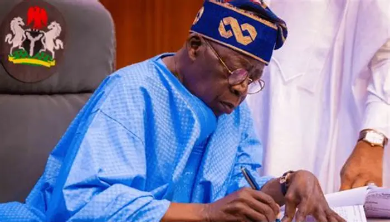
President Bola Ahmed Tinubu has approved 27 road projects valued at over ₦3.9 trillion across 15 states as part of the Federal Government’s ongoing drive to modernise road infrastructure, improve connectivity, and stimulate economic growth nationwide.
The approval represents one of the administration’s most significant infrastructure investments, reflecting its commitment to expanding the nation’s transportation network and supporting long-term economic development.
Furthermore, the projects are expected to improve mobility, reduce travel time, facilitate trade, and strengthen access to key commercial and agricultural corridors across the country.
Expanding Critical Road Infrastructure
Road transportation remains the backbone of Nigeria’s economy, connecting communities, supporting commerce, and facilitating the movement of people and goods.
Consequently, sustained investment in modern road infrastructure remains essential for boosting productivity and enhancing national competitiveness.
The newly approved projects will upgrade critical road networks across the affected states, improving connectivity between urban centres, rural communities, industrial hubs, and agricultural zones.
Furthermore, better road infrastructure is expected to reduce transportation costs while improving logistics and supply chain efficiency.
Driving Economic Growth
President Tinubu emphasized that infrastructure development remains central to the administration’s economic transformation agenda.
Furthermore, improved transportation networks encourage investment, stimulate business activities, and create an enabling environment for economic expansion.
The road projects are also expected to generate employment opportunities during construction while supporting long-term economic activities after completion.
According to the Federal Government, strategic infrastructure investments remain vital to achieving sustainable growth and improving the overall business environment.
Supporting Agriculture and Commerce
Efficient road networks play a crucial role in strengthening agricultural productivity by connecting farmers to markets and reducing post-harvest losses.
Furthermore, improved highways enable manufacturers, traders, and transport operators to move goods more efficiently across different parts of the country.
The approved projects are therefore expected to strengthen agricultural value chains, promote interstate commerce, and support regional economic integration.
By improving accessibility, the Federal Government aims to unlock new economic opportunities for businesses and communities.
Creating Jobs and Boosting Local Economies
Large-scale infrastructure projects often generate significant economic benefits beyond the construction sector.
Furthermore, the implementation of the approved road projects is expected to create thousands of direct and indirect jobs for engineers, contractors, artisans, suppliers, transport operators, and other professionals.
Local businesses operating along project corridors are also expected to benefit from increased commercial activities and improved accessibility.
These multiplier effects will contribute to stronger local economies while supporting broader national development objectives.
Advancing the Renewed Hope Agenda
The approval of the 27 road projects aligns with President Tinubu’s Renewed Hope Agenda, which prioritises infrastructure development as a key driver of inclusive economic growth.
Furthermore, the administration continues to invest in projects that improve connectivity, strengthen public infrastructure, and enhance the quality of life for Nigerians.
The government believes that modern transportation infrastructure remains fundamental to attracting investment, expanding industrial activities, and improving national productivity.
A Long-Term Investment in National Development
The Federal Government reaffirmed its commitment to delivering quality infrastructure capable of supporting Nigeria’s growing economy for decades to come.
Furthermore, the implementation of the projects will be guided by standards aimed at ensuring durability, efficiency, and value for public investment.
As construction progresses across the 15 beneficiary states, the projects are expected to enhance regional integration while improving access to markets, schools, healthcare facilities, and other essential services.
Building the Roads for Future Prosperity
President Bola Ahmed Tinubu’s approval of over ₦3.9 trillion for 27 road projects demonstrates the administration’s determination to close Nigeria’s infrastructure gap and accelerate national development.
Furthermore, the investment reflects a strategic commitment to improving transportation, supporting economic diversification, and strengthening connectivity across the country.
Therefore, the road projects are expected to serve as important catalysts for economic growth, job creation, agricultural development, and improved living standards, reinforcing the Federal Government’s vision of building a more connected, prosperous, and resilient Nigeria.