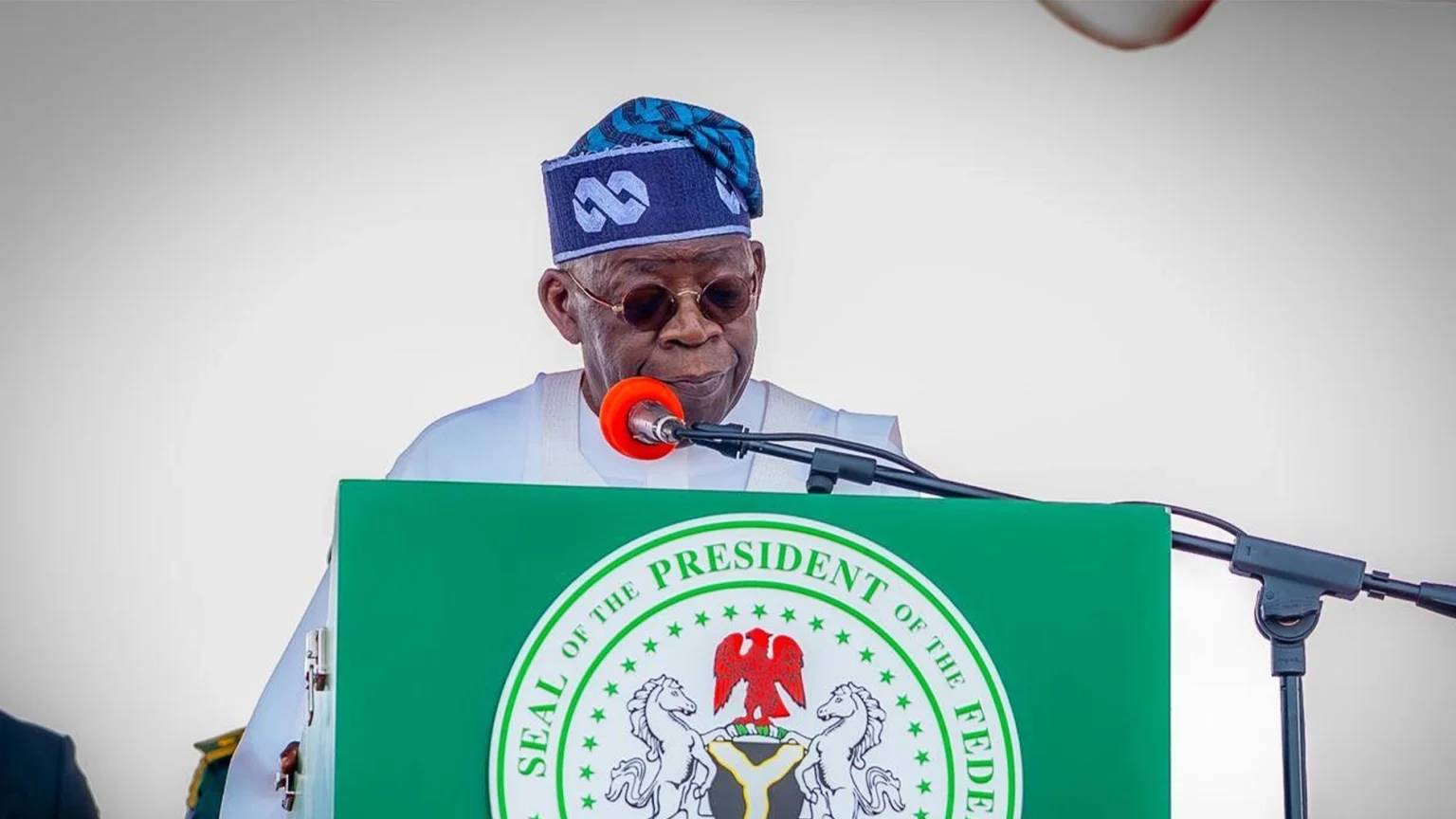
Bola Ahmed Tinubu has declared that the relationship between Nigeria and France now carries significant economic weight and should translate into more jobs, industries, infrastructure development, and shared prosperity for both nations.
The President’s remarks reflect growing emphasis on strengthening economic diplomacy and deepening international partnerships capable of supporting investment, industrial growth, and long-term development. Therefore, Nigeria continues positioning strategic foreign relationships as important tools for economic transformation and global competitiveness.
International cooperation increasingly shapes modern economic growth.
Why Nigeria-France Relations Matter
Nigeria and France maintain important diplomatic and economic ties.
Both countries continue collaborating across sectors involving trade, energy, infrastructure, security, education, technology, and investment. Therefore, strengthening bilateral cooperation may create wider opportunities for businesses, industries, and citizens within both nations.
France remains an influential global economy.
As one of Europe’s leading economic powers, France possesses strong industrial, financial, and technological capabilities capable of supporting international partnerships and investment expansion.
Strategic cooperation supports mutual growth.
Economic Diplomacy and National Development
Modern diplomacy increasingly focuses on economic outcomes.
Countries now prioritize partnerships capable of attracting investment, supporting infrastructure projects, improving trade relations, and creating employment opportunities. Therefore, President Tinubu’s comments highlight the growing importance of practical economic benefits within international relations.
Diplomatic relationships must produce measurable results.
Governments increasingly seek partnerships that directly improve productivity, industrial capacity, and economic wellbeing for citizens.
Economic diplomacy also strengthens competitiveness.
Jobs and Industrial Growth Remain Priorities
Employment generation remains a major national concern.
Like many developing economies, Nigeria continues seeking stronger industrial growth capable of creating sustainable jobs for its growing population. Therefore, attracting international investment and industrial partnerships remains strategically important.
Industrialization supports economic diversification.
Manufacturing, energy, technology, transportation, and infrastructure development often create large-scale employment opportunities while improving productivity.
Economic growth becomes more sustainable when industries expand.
Infrastructure Development and Investment Opportunities
Infrastructure remains essential for national competitiveness.
Roads, rail systems, ports, energy facilities, digital connectivity, and industrial parks all contribute significantly to economic productivity and investment attraction. Therefore, stronger cooperation with international partners may help accelerate infrastructure development within Nigeria.
Investors prioritize stable and growing markets.
Countries with reform-driven economies and strategic partnerships often attract stronger private sector participation and long-term investments.
Infrastructure development also stimulates local businesses.
Shared Prosperity Through International Partnerships
Mutual economic benefits strengthen bilateral relations.
Successful international partnerships often create opportunities for trade expansion, technology transfer, business collaboration, and cultural exchange. Therefore, Nigeria’s relationship with France increasingly reflects shared economic interests rather than traditional diplomatic engagement alone.
Global partnerships drive innovation and development.
Collaboration involving technology, renewable energy, manufacturing, agriculture, and education may improve productivity and economic resilience.
Nigeria’s Economic Reform Agenda
Bola Ahmed Tinubu has consistently promoted economic reforms aimed at attracting investment and improving fiscal sustainability.
The administration continues emphasizing policies focused on infrastructure development, investment attraction, industrial expansion, and private sector growth. Therefore, strengthening ties with global economic partners aligns with broader national economic objectives.
Reforms often influence investor confidence.
Stable policies and international cooperation may improve perceptions regarding economic opportunities within Nigeria.
France’s Role in African Economic Partnerships
France maintains extensive economic relationships across Africa.
French companies and institutions continue operating within sectors involving energy, transportation, telecommunications, manufacturing, and finance throughout the continent. Therefore, stronger Nigeria-France cooperation may create additional opportunities for investment and industrial collaboration.
Africa remains increasingly important within global economic discussions.
Rapid population growth and expanding markets continue attracting international interest.
The Importance of Sustainable Partnerships
Long-term cooperation requires practical implementation.
Economic agreements and diplomatic engagements achieve greater impact when supported by consistent policies, transparent systems, and measurable projects. Therefore, translating diplomatic relationships into visible development outcomes remains essential.
Citizens expect practical benefits.
People increasingly evaluate international partnerships based on employment opportunities, infrastructure improvements, and economic progress.
Looking Ahead
Nigeria’s international economic partnerships may continue expanding.
As global economies become more interconnected, strategic cooperation with major economic powers will likely remain important for investment attraction and development planning. Therefore, stronger Nigeria-France collaboration could contribute to broader economic transformation efforts.
Economic diplomacy will remain central to future growth strategies.
Conclusion: Building Economic Prosperity Through Strategic Cooperation
The statement by Bola Ahmed Tinubu that relations between Nigeria and France must deliver jobs, industries, infrastructure, and shared prosperity reflects growing emphasis on practical economic diplomacy.
As both nations continue strengthening bilateral cooperation, successful partnerships may help support industrial growth, investment opportunities, and long-term development objectives.
Ultimately, sustainable international relationships remain most valuable when they produce tangible economic benefits capable of improving lives and strengthening national prosperity.