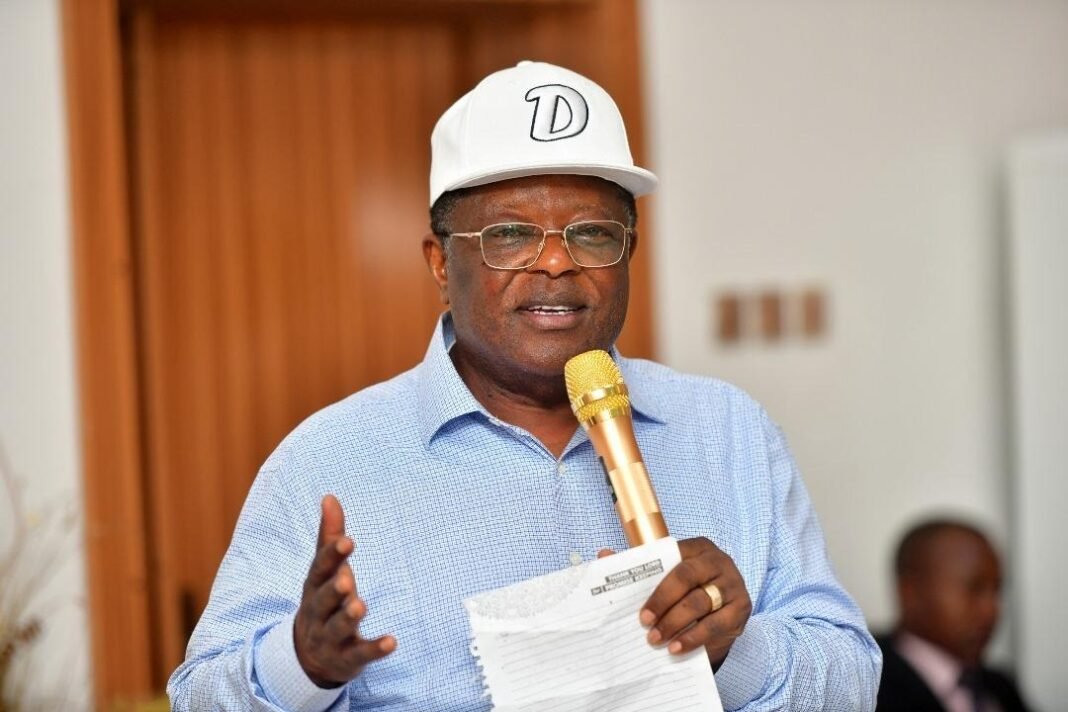
The Minister of Works, David Umahi, has explained that the decision to reconstruct the Carter Bridge became necessary following years of alarming structural defects discovered beneath both the Carter Bridge and the Third Mainland Bridge.
Speaking during the official handover process, the minister emphasized that the Federal Government could no longer delay critical intervention on the aging infrastructure due to increasing safety concerns and the strategic importance of the bridges to transportation and economic activities in Lagos.
The development highlights growing national attention on infrastructure renewal and urban transportation safety.
Why the Reconstruction Became Necessary
Infrastructure deterioration threatens public safety.
According to David Umahi, extensive defects discovered beneath the bridges raised serious concerns requiring immediate government action. Therefore, reconstruction became essential to prevent future structural failures and ensure long-term durability.
Bridges remain vital components of urban mobility systems.
The Carter Bridge and the Third Mainland Bridge serve thousands of commuters daily while supporting commercial transportation, logistics, and economic activities across Lagos. Consequently, maintaining their structural integrity remains critically important.
The Importance of Bridge Infrastructure in Lagos
Lagos depends heavily on transportation networks.
As one of Africa’s busiest commercial cities, Lagos relies significantly on road and bridge infrastructure for movement of people, goods, and services. Therefore, any structural weakness affecting major bridges poses risks to economic productivity and public convenience.
Traffic congestion already remains a major urban challenge.
Consequently, infrastructure failures could create severe transportation disruptions and economic losses. Therefore, proactive reconstruction efforts are increasingly necessary.
Years of Wear and Pressure
Heavy usage contributes to infrastructure stress.
For decades, both bridges have experienced constant pressure from rising traffic volumes, environmental conditions, and urban expansion. Therefore, aging infrastructure naturally requires rehabilitation, modernization, and long-term maintenance.
Rapid urbanization also increases structural demands.
As population growth continues across Lagos, transportation infrastructure faces increasing pressure daily. Consequently, government investment in modern infrastructure remains essential for sustainable urban development.
Government’s Commitment to Infrastructure Renewal
Infrastructure development remains a national priority.
The administration of President Bola Ahmed Tinubu has repeatedly emphasized the importance of rebuilding critical national infrastructure capable of supporting economic growth and improving transportation systems. Therefore, the Carter Bridge reconstruction aligns with broader federal infrastructure goals.
Modern infrastructure strengthens economic competitiveness.
Roads, bridges, rail systems, and ports directly influence productivity, trade, and investment attraction. Therefore, maintaining safe and efficient transportation networks remains essential for national development.
Engineering and Public Safety Concerns
Safety considerations remain central to reconstruction plans.
Structural defects beneath bridges can worsen gradually over time if left untreated. Therefore, engineering assessments and preventive interventions become necessary before conditions escalate into emergencies.
Public safety cannot be compromised.
The Federal Government’s decision reflects growing awareness that aging infrastructure requires continuous monitoring and timely rehabilitation to prevent disasters and ensure commuter confidence.
Economic Importance of the Bridges
The bridges support commercial activities daily.
Thousands of businesses, commuters, transport operators, and logistics companies depend on these critical routes for movement within Lagos. Therefore, infrastructure upgrades may improve transportation efficiency and reduce long-term maintenance risks.
Reliable transportation systems also encourage investment.
Modern urban economies require dependable infrastructure capable of supporting industrial activities, tourism, and commercial expansion.
Challenges Ahead During Reconstruction
Major infrastructure projects often involve temporary disruptions.
Commuters may experience traffic diversions, construction-related delays, and temporary inconveniences during reconstruction activities. However, long-term infrastructure improvements generally outweigh short-term challenges.
Proper traffic management will remain important throughout the reconstruction process.
Authorities are expected to coordinate measures capable of reducing disruptions while ensuring public safety.
Looking Ahead
Infrastructure modernization will continue nationwide.
As Nigeria confronts growing urbanization and infrastructure demands, more rehabilitation and reconstruction projects are likely across major cities and transportation corridors. Therefore, sustained investment in public infrastructure will remain necessary.
Modern engineering standards will also become increasingly important for future projects.
Conclusion: Rebuilding Critical Infrastructure for the Future
The explanation provided by David Umahi regarding the reconstruction of the Carter Bridge underscores the urgent need to address aging infrastructure and structural safety concerns in Lagos.
By acting on alarming defects identified beneath both the Carter Bridge and the Third Mainland Bridge, the Federal Government aims to protect public safety, strengthen transportation systems, and support long-term economic stability.
Ultimately, sustainable infrastructure investment remains essential for modern urban development and national progress in Nigeria.