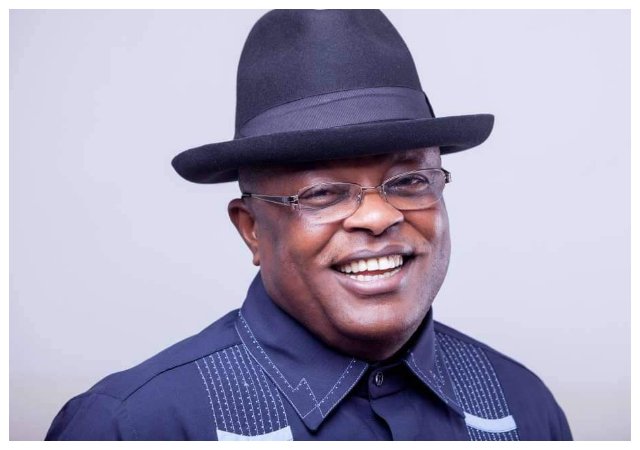
The Minister of Works, David Umahi, has directed that investigations into structural concerns surrounding the Eko Bridge in Lagos be concluded within 10 days as the Federal Government intensifies efforts to prevent further deterioration and resume rehabilitation works on the bridge.
The directive reflects growing urgency surrounding the condition of critical transportation infrastructure in Nigeria’s commercial capital. Therefore, authorities are moving quickly to assess the structural integrity of the bridge and determine necessary engineering interventions.
The development also highlights the increasing national focus on infrastructure safety, maintenance, and modernization.
Why the Investigation Matters
Bridge safety remains a major public concern.
The Eko Bridge serves as one of the key transportation links within Lagos, supporting daily movement for thousands of commuters, businesses, and logistics operators. Therefore, any structural concerns involving the bridge naturally attract serious government attention.
Timely intervention can prevent larger infrastructure failures.
According to David Umahi, the Federal Government aims to identify the extent of the structural issues quickly so rehabilitation works can continue without unnecessary delays.
The Importance of Eko Bridge to Lagos Transportation
Lagos depends heavily on bridge infrastructure.
As one of Africa’s busiest urban centers, Lagos relies significantly on interconnected roads and bridges for transportation efficiency and economic productivity. Therefore, the condition of major bridges directly affects traffic flow, commerce, and public mobility.
The Eko Bridge remains an essential part of the city’s transportation network.
Any disruption affecting the bridge can create widespread traffic congestion and economic inconvenience across several parts of the state.
Government’s Commitment to Infrastructure Rehabilitation
Infrastructure renewal has become a national priority.
The administration of President Bola Ahmed Tinubu continues emphasizing the rehabilitation and modernization of major transportation infrastructure nationwide. Therefore, increased attention on bridge safety aligns with broader efforts to strengthen national infrastructure systems.
Modern economies require reliable transportation networks.
Roads and bridges support trade, mobility, investment attraction, and industrial productivity. Consequently, maintaining critical infrastructure remains essential for sustainable development.
Engineering Assessments and Public Safety
Technical investigations are essential before rehabilitation.
Structural concerns involving bridges often require detailed engineering assessments capable of identifying hidden weaknesses, deterioration patterns, and safety risks. Therefore, the 10-day timeline reflects the urgency attached to protecting public safety and restoring confidence.
Preventive maintenance remains critical.
Experts frequently warn that delaying repairs on aging infrastructure increases long-term costs and safety risks. Consequently, proactive inspections and rehabilitation help extend infrastructure lifespan and reduce emergency situations.
Years of Pressure on Urban Infrastructure
Heavy traffic continues straining Lagos bridges.
Rapid urbanization, population growth, and increasing vehicle numbers have placed enormous pressure on transportation infrastructure across Lagos. Therefore, older bridges require continuous maintenance and periodic upgrades to remain functional and safe.
Environmental conditions also contribute to deterioration.
Exposure to weather, heavy usage, and aging materials naturally affect bridge structures over time. Consequently, engineering monitoring remains essential for long-term infrastructure stability.
Economic Impact of Infrastructure Maintenance
Reliable infrastructure supports economic growth.
Businesses, transport operators, and commuters depend heavily on functional roads and bridges for daily activities. Therefore, rehabilitation efforts on the Eko Bridge may help improve mobility and reduce long-term economic disruptions.
Infrastructure confidence also influences investment decisions.
Cities with reliable transportation systems generally attract stronger commercial activities and urban development opportunities.
Challenges During Rehabilitation Works
Rehabilitation projects often create temporary inconvenience.
Traffic diversions, partial closures, and construction activities may affect commuters during repair works. However, long-term safety and infrastructure improvement remain more important than short-term disruptions.
Authorities are expected to implement traffic management measures during the rehabilitation period.
Effective coordination will remain necessary to minimize inconvenience for road users.
Looking Ahead
More infrastructure assessments may follow nationwide.
As Nigeria continues confronting aging transportation systems, authorities are likely to increase inspections and rehabilitation of critical infrastructure assets. Therefore, bridge safety may remain a major national focus in coming years.
Modern engineering standards will also shape future infrastructure planning.
Conclusion: Urgent Action to Protect Critical Infrastructure
The directive by David Umahi ordering a 10-day investigation into structural concerns surrounding the Eko Bridge demonstrates the Federal Government’s determination to address infrastructure safety challenges proactively.
By accelerating investigations and rehabilitation efforts, authorities aim to prevent further deterioration, protect public safety, and maintain efficient transportation systems within Lagos.
Ultimately, sustained infrastructure maintenance and modernization remain essential for economic stability, urban mobility, and national development in Nigeria.