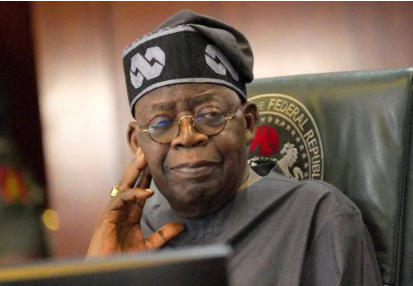
President Bola Ahmed Tinubu has taken Nigeria’s concerns over recurring xenophobic and Afrophobic attacks in South Africa to the African Union, demanding stronger continental action to protect Africans living and working across the continent.
The President’s intervention places the long-running dispute between Nigeria and South Africa within a wider African context, particularly as both countries continue to play influential roles in continental politics, diplomacy, security, and economic development.
Tinubu Calls for AU Intervention
Tinubu has urged African leaders to give the issue greater attention at the continental level, arguing that attacks against Africans in another African country should not be treated solely as a bilateral matter between two governments.
The President wants the African Union to examine the recurring problem and consider practical measures that can strengthen the protection of African nationals across member states.
Furthermore, Nigeria believes that African unity must include respect for the safety, dignity, and fundamental rights of Africans regardless of their country of origin.
Nigeria Demands Stronger Protection
The Nigerian government has repeatedly expressed concern over reports of attacks, intimidation, discrimination, and other forms of hostility involving foreign nationals in South Africa.
Tinubu’s latest position reflects Nigeria’s determination to ensure that Nigerians living or conducting legitimate business in South Africa receive adequate protection from violence and discrimination.
The administration also wants South African authorities to ensure that immigration enforcement remains within the boundaries of the law and does not create an atmosphere where foreigners become targets of collective hostility.
Respect for South Africa’s Sovereignty
Nigeria’s position does not remove South Africa’s right to enforce its immigration laws or regulate entry into its territory, because every sovereign country retains responsibility for managing its borders and immigration system.
However, Tinubu has maintained that legitimate immigration enforcement should remain separate from xenophobic attacks, intimidation, or violence against Africans.
This distinction remains important because Nigeria supports orderly migration while also insisting that African nationals deserve protection under the laws of the countries where they live.
A Significant Nigeria-South Africa Relationship
Nigeria and South Africa have maintained an important relationship for decades, with both countries contributing significantly to political and economic developments across Africa.
Nigeria played a major role in supporting South Africa during the struggle against apartheid, while both countries have remained influential voices on continental affairs.
Consequently, tensions involving Nigerians in South Africa often attract considerable attention because they can affect broader diplomatic relations between two of Africa’s most influential countries.
Tinubu Seeks Collective African Action
By taking the issue to the African Union, Tinubu is effectively calling for a continental conversation about how African countries treat one another’s citizens.
Furthermore, the President’s approach suggests that xenophobia should receive greater attention within Africa’s broader discussions about migration, security, economic integration, and regional cooperation.
A stronger continental framework could encourage countries to develop better mechanisms for protecting foreign nationals while addressing legitimate concerns about irregular migration.
Migration Remains a Major African Challenge
Migration has become one of the most complicated issues facing African governments, particularly as citizens move across borders in search of employment, education, business opportunities, security, and better living conditions.
South Africa remains an important destination for migrants from several African countries, including Nigeria, because of its relatively developed economy and extensive commercial opportunities.
However, tensions can emerge when citizens associate migrants with unemployment, crime, pressure on public services, or competition for economic opportunities.
Economic Integration Needs Tolerance
Africa’s economic integration ambitions depend heavily on the movement of people, goods, services, capital, and skills across national borders.
Furthermore, the success of initiatives designed to increase intra-African trade will require greater trust among African countries and their citizens.
Xenophobic attacks can undermine that trust and create barriers to deeper economic cooperation.
Businesses may become reluctant to invest.
Workers may feel increasingly vulnerable.
Communities may become divided.
These consequences can ultimately weaken the broader objectives of African economic integration.
Nigeria Wants African Solidarity to Have Meaning
Tinubu’s intervention also reinforces Nigeria’s long-standing emphasis on African solidarity.
Nigeria has historically played a major role in continental peace initiatives, regional diplomacy, and economic cooperation.
Therefore, the President’s position presents the protection of African nationals as part of a broader responsibility shared by African governments.
The message is particularly significant as African countries continue working toward stronger regional integration.
Security Agencies Also Have a Role
Addressing xenophobia requires cooperation between governments, security institutions, diplomatic missions, community organisations, and civil society groups.
Furthermore, authorities must ensure that individuals who engage in violence or organised attacks face appropriate legal consequences.
Effective law enforcement can discourage future attacks while reassuring foreign nationals that their safety remains a government responsibility.
Diplomacy Can Prevent Escalation
The AU platform also provides an opportunity for Nigeria and South Africa to address disagreements through diplomatic channels rather than allowing individual incidents to create broader political tensions.
Furthermore, sustained dialogue can help both countries identify practical solutions to migration-related challenges.
Such engagement could also prevent misinformation and inflammatory rhetoric from worsening tensions between communities.
Tinubu’s Wider Pan-African Message
Tinubu’s intervention carries a broader message about Africa’s responsibility for solving its own challenges.
The President has consistently advocated stronger African ownership of peace, security, economic development, and regional cooperation.
Taking the xenophobia issue to the AU fits within that broader approach because it asks African institutions to address a problem affecting Africans within Africa.
The AU Faces an Important Responsibility
The African Union now faces the challenge of balancing national sovereignty with continental principles concerning human dignity, peaceful coexistence, and regional integration.
The organisation must also encourage member states to address legitimate migration concerns without allowing foreigners to become targets of violence or discrimination.
A meaningful response could establish stronger standards for protecting African nationals across borders.
The Bigger Picture
The South Africa xenophobia controversy reflects a much wider challenge facing the continent, where migration continues to increase while economic opportunities remain unevenly distributed.
African governments must therefore address the underlying economic and social pressures that can fuel hostility toward migrants.
Job creation, stronger border management, regional trade, improved security, and public education can all contribute to reducing tensions.
Looking Ahead
Tinubu’s decision to take the South Africa xenophobia row to the African Union demonstrates Nigeria’s desire for a broader and more coordinated response to attacks against Africans living outside their countries of origin.
The move could also open a wider discussion about migration, African solidarity, human rights, economic integration, and the responsibilities of governments toward foreign nationals.
Ultimately, Tinubu’s intervention sends a strong message that African unity cannot depend solely on political agreements, economic partnerships, or diplomatic declarations, because genuine continental solidarity must also guarantee that Africans can live, work, trade, and pursue legitimate opportunities across Africa without facing violence, intimidation, or discrimination because of their nationality.