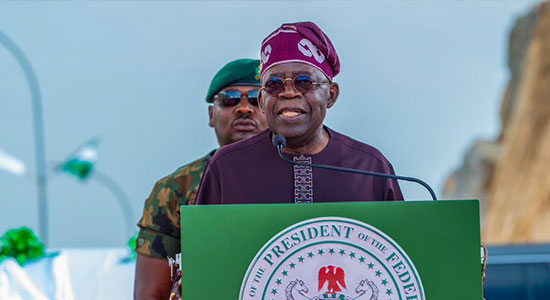
Bola Ahmed Tinubu has announced that his administration is constructing a 1,000-kilometre Sokoto-Badagry highway designed to strengthen regional connectivity and improve transportation links between Nigeria, Benin Republic, and Ghana.
The ambitious infrastructure project is expected to enhance trade, movement of goods, economic integration, and regional cooperation across West Africa. Therefore, the highway represents one of the administration’s major transportation and economic development initiatives aimed at improving connectivity and stimulating long-term growth.
Infrastructure remains central to economic transformation.
Why the Sokoto-Badagry Highway Matters
Road infrastructure plays a major role in economic development.
Efficient transportation systems often improve trade, reduce travel time, lower logistics costs, and strengthen commercial activities across regions. Therefore, the Sokoto-Badagry highway could significantly improve movement between northern and southern Nigeria while expanding regional access.
Connectivity supports economic integration.
Modern highways frequently encourage industrial growth, agricultural distribution, tourism, and investment opportunities.
Transportation networks influence national productivity.
Connecting Nigeria With West Africa
The proposed road project extends beyond domestic transportation.
By connecting routes linked to Benin Republic and Ghana, the highway may strengthen regional commerce and support broader West African integration efforts. Therefore, the initiative aligns with growing efforts to improve trade corridors and economic cooperation across the region.
Regional trade depends on infrastructure.
Efficient road networks often improve cross-border commerce, supply chains, and business relationships among neighboring countries.
Integration strengthens economic opportunities.
The Economic Benefits of Major Highway Projects
Large infrastructure projects often stimulate economic activities.
Construction projects typically create jobs, encourage local business participation, improve transportation efficiency, and support industrial development. Therefore, the Sokoto-Badagry highway may generate significant economic benefits during and after construction.
Road projects encourage investment growth.
Businesses often expand more confidently in regions with reliable transportation systems and easier market access.
Infrastructure development supports competitiveness.
Tinubu’s Infrastructure Development Agenda
Bola Ahmed Tinubu has consistently emphasized infrastructure modernization as part of his administration’s economic strategy.
The government continues pursuing projects involving roads, railways, ports, energy systems, and aviation infrastructure aimed at improving productivity and attracting investment. Therefore, the Sokoto-Badagry road aligns with broader national development priorities.
Modern infrastructure strengthens economic resilience.
Efficient transport systems often reduce operational costs for businesses and improve national competitiveness.
Development requires long-term planning.
How Better Roads Improve Daily Life
Transportation infrastructure directly affects citizens and businesses.
Improved highways often reduce travel stress, enhance safety, improve market access for farmers and traders, and strengthen communication between communities. Therefore, large road projects may positively influence social and economic conditions nationwide.
Farmers benefit from improved logistics.
Agricultural products often reach markets faster and more efficiently through modern road networks.
Communities become more connected.
Regional Integration and ECOWAS Goals
West African countries continue promoting regional integration.
Economic cooperation involving transportation, trade, energy, and mobility remains important within the Economic Community of West African States (ECOWAS). Therefore, cross-border infrastructure projects often support broader regional development objectives.
Trade corridors improve regional economies.
Efficient transportation systems frequently strengthen export opportunities and commercial partnerships across borders.
Regional mobility supports growth.
Potential Impact on Northern and Southern Nigeria
The Sokoto-Badagry highway may improve national connectivity significantly.
By linking northern commercial zones with southern coastal areas, the road could improve transportation efficiency and strengthen economic relationships between different parts of the country. Therefore, the project may support national integration and economic expansion.
Balanced development encourages national unity.
Infrastructure often helps bridge economic gaps between regions and improve access to opportunities.
Connectivity improves commercial activities.
Challenges Facing Major Infrastructure Projects
Large-scale projects often require significant planning and resources.
Funding, land acquisition, environmental considerations, construction timelines, and maintenance systems may influence the successful delivery of the highway project. Therefore, sustained commitment and effective project management remain important.
Execution determines long-term success.
Citizens and investors often monitor infrastructure projects closely for transparency and timely delivery.
Public expectations remain high.
Why Infrastructure Attracts Investment
Investors frequently prioritize countries with strong infrastructure systems.
Reliable roads, ports, airports, and energy networks often reduce operational risks and improve business efficiency. Therefore, projects like the Sokoto-Badagry highway may strengthen Nigeria’s attractiveness to investors.
Modern infrastructure supports industrialization.
Manufacturing, logistics, agriculture, and commerce often thrive where transportation systems remain efficient.
Economic growth depends partly on connectivity.
Looking Ahead
The Sokoto-Badagry highway project is expected to remain a major national infrastructure discussion.
As construction progresses, attention will likely focus on project implementation, economic impact, regional benefits, and long-term transportation improvements across West Africa.
Infrastructure development will remain a strategic priority.
Conclusion: A Major Step Toward Regional Connectivity and Economic Growth
The announcement by Bola Ahmed Tinubu regarding the construction of the 1,000-kilometre Sokoto-Badagry highway reflects the administration’s broader ambition to strengthen infrastructure, improve regional integration, and stimulate economic growth within Nigeria and across West Africa.
By linking Nigeria more effectively with Benin Republic and Ghana, the project may improve trade, mobility, and economic cooperation while supporting long-term development goals.
Ultimately, successful execution of the highway could become one of the region’s most significant transportation and integration projects in modern times.