The City Boy Movement has intensified its nationwide mobilisation ahead of the 2027 general election, signalling a renewed push to strengthen its organisational structures and expand its presence across Nigeria.
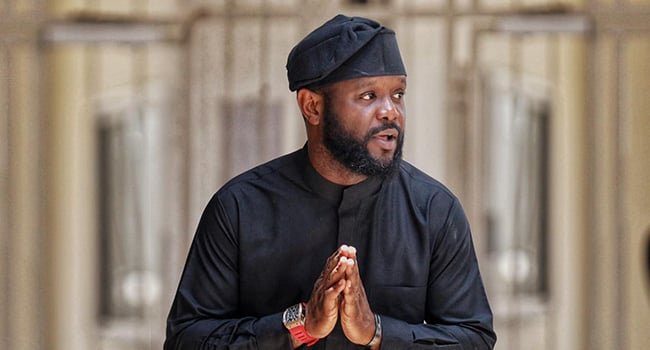
The movement’s patron, Seyi Tinubu, said the organisation is consolidating its existing structures, widening its national footprint and strengthening grassroots engagement as it prepares for the next election cycle.
The development highlights the growing importance of political mobilisation beyond major cities and established political centres, particularly as political groups begin positioning themselves ahead of the 2027 polls.
For the City Boy Movement, the current phase of mobilisation centres on strengthening the structures already in place while extending its reach to more communities. This approach places emphasis on building an organisation capable of maintaining contact with supporters, coordinating activities and sustaining engagement across different parts of the country.
As political activities gradually gather momentum, the movement’s expansion also reflects the wider competition among political organisations to establish stronger grassroots networks before the formal intensity of the election season.
Consolidating Existing Structures
One of the priorities identified by Seyi Tinubu is the consolidation of the movement’s existing structures. This suggests that the organisation is focusing not only on expanding its membership but also on strengthening the coordination and effectiveness of the networks it has already established.
In political mobilisation, having structures across different locations is only one part of building an effective organisation. Those structures must also maintain regular communication, coordinate activities and provide clear channels through which supporters can participate.
Without effective coordination, a growing network may struggle to translate its presence into sustained engagement. Consequently, consolidation can help improve organisational discipline, strengthen communication and create a more coordinated approach to mobilisation.
For the City Boy Movement, this process could be important as it seeks to expand while maintaining a recognisable organisational identity across its nationwide network.
The emphasis on consolidation also points to the importance of continuity. Rather than treating every mobilisation exercise as a separate activity, political organisations need structures capable of sustaining engagement between election periods.
Expanding the Movement’s National Footprint
The movement’s plan to expand its national footprint represents another important part of its preparations for 2027.
Nigeria’s political environment is shaped by diverse communities, regional interests and local political dynamics. Therefore, organisations seeking nationwide visibility must build relationships beyond their traditional areas of influence.
Expanding into more communities can help political movements connect with different groups, understand local concerns and develop broader networks of supporters.
However, nationwide expansion requires more than establishing a presence in different locations. It also involves identifying credible local coordinators, maintaining communication and ensuring that national objectives connect with the concerns of people at the grassroots.
For the City Boy Movement, the emphasis on a wider national footprint places geographical reach alongside organisational consolidation as part of its mobilisation strategy.
As the 2027 election approaches, the ability to maintain an active presence across communities could become an important factor in determining how effectively the movement communicates its message and engages potential supporters.
Grassroots Engagement Takes Centre Stage
Seyi Tinubu’s emphasis on strengthening grassroots engagement highlights an important dimension of the movement’s mobilisation efforts.
In Nigeria, grassroots political engagement remains significant because elections are ultimately shaped by the participation and decisions of individual voters across communities. Political organisations therefore need to build relationships with citizens, understand their concerns and communicate their positions in ways that connect with everyday experiences.
Effective grassroots engagement goes beyond public gatherings and online visibility. It requires consistent interaction, listening to community concerns and creating opportunities for people to participate in political discussions.
Young people, small business owners, community leaders, professionals and other groups can all form part of these engagement efforts. However, meaningful participation depends on whether organisations create spaces for genuine involvement rather than limiting supporters to attendance at political events.
For the City Boy Movement, strengthening grassroots connections could help establish a more durable network as political activities increase ahead of 2027.
It also presents an opportunity for the organisation to communicate its objectives more clearly and understand the issues that matter to people in different communities.
Seyi Tinubu’s Role as Patron
As patron of the City Boy Movement, Seyi Tinubu occupies a prominent position in the organisation’s mobilisation efforts. His comments on consolidating structures, expanding the movement’s reach and strengthening grassroots engagement provide an indication of the priorities guiding its preparations.
His involvement also places the movement within the wider political conversations surrounding the 2027 general election.
Nevertheless, the organisation’s long-term influence will depend on its ability to translate its mobilisation objectives into sustained participation and an effective network across the country.
Political movements often attract attention during election periods, but maintaining relevance between elections requires consistent organisation, communication and engagement.
The challenge for the City Boy Movement will therefore involve ensuring that its expansion produces functional structures capable of sustaining activity beyond headline-grabbing mobilisation exercises.
The Growing Importance of Youth and Organised Political Participation
Youth engagement remains an important consideration in Nigeria’s political environment. Young Nigerians constitute a significant part of the country’s population, and their participation can influence political conversations, public advocacy and electoral activities.
Political organisations increasingly recognise the importance of reaching younger audiences through direct engagement, community networks and digital communication.
However, young people are not a single political constituency with identical interests. Their concerns vary according to employment opportunities, education, entrepreneurship, economic conditions, security and access to public services.
Consequently, effective mobilisation requires more than attracting attention. It must also create opportunities for meaningful participation and provide clear answers to the issues that shape people’s political decisions.
For the City Boy Movement, expanding its grassroots engagement could provide a platform for connecting with younger Nigerians and other groups across the country.
The organisation’s ability to sustain these relationships will be important as the 2027 election cycle develops.
Preparing for the 2027 Political Landscape
Although the general election remains ahead, political organisations have an incentive to strengthen their networks early. Building a nationwide structure requires time, coordination and continuous engagement, particularly for groups seeking to operate across different regions.
The City Boy Movement’s current focus on consolidation and expansion reflects this need for early preparation.
As mobilisation intensifies, the movement will face the task of maintaining organisational consistency while adapting its engagement to different communities. It will also need to demonstrate that its structures can support sustained activities and connect with the concerns of citizens.
The wider political environment will continue to evolve as parties, movements and other political organisations develop their strategies ahead of 2027.
For now, Seyi Tinubu’s remarks place the City Boy Movement’s priorities around three central areas: strengthening existing structures, expanding its national presence and deepening grassroots engagement.
Ultimately, the effectiveness of the mobilisation drive will depend on how successfully the organisation turns these priorities into an active, coordinated and sustainable nationwide network as Nigeria moves towards the 2027 general election.