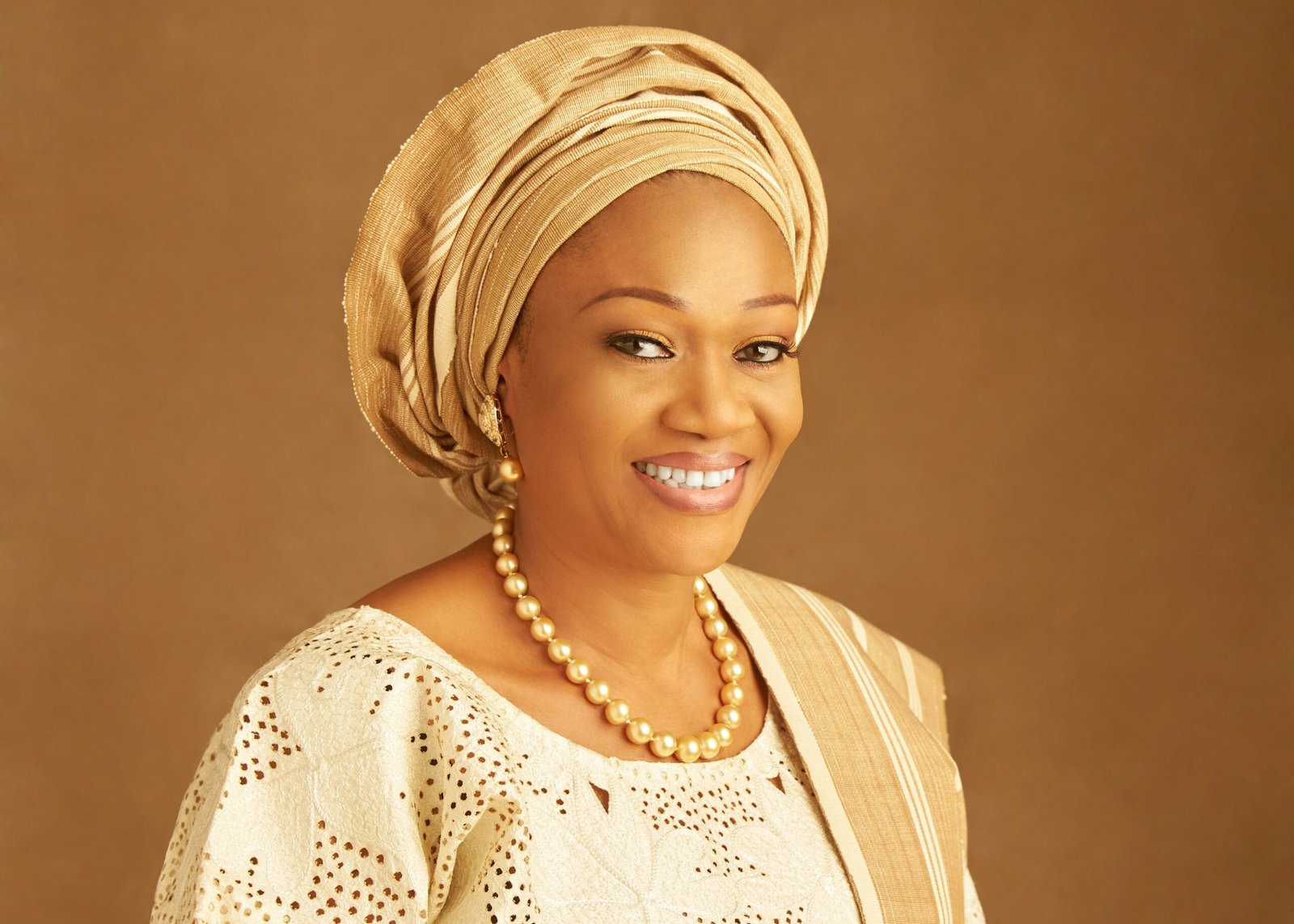
Nigeria’s First Lady, Senator Oluremi Tinubu, has told women in the South-East that the pain and difficulties associated with the period of economic hardship are coming to an end, urging them to embrace hope and remain confident in the country’s future.
Her message, captured in the declaration, “Pain of Labour Is Over,” speaks to the economic pressures experienced by households and small businesses across the country, particularly women who shoulder significant responsibilities in family welfare, trading, agriculture and other income-generating activities.
The statement also brings attention to the place of women in Nigeria’s development, as the Federal Government continues to communicate its economic reform agenda and seek public understanding of the changes taking place.
For many women in the South-East, economic conditions are closely connected to the everyday realities of running businesses, providing for families and maintaining household stability. Rising living costs, operating expenses and uncertainty can make these responsibilities more difficult, especially for those working in the informal sector.
Against this background, the First Lady’s message presents an appeal for optimism while drawing attention to the need for sustained efforts to improve living conditions.
Remi Tinubu’s Message of Hope to South-East Women
The First Lady’s declaration that the pain of labour is over carries a message of reassurance directed at women who have experienced the pressures associated with Nigeria’s economic difficulties.
The phrase suggests that difficult periods should not be viewed as permanent and that the sacrifices associated with national economic reforms should ultimately lead to improved conditions.
However, the broader significance of the message will depend on whether the expected improvements translate into tangible benefits for households and businesses. Women who operate small enterprises, manage family budgets or depend on daily earnings need practical relief from the financial pressures affecting their activities.
For this reason, public reassurance must go alongside policies and interventions that address the realities of ordinary Nigerians.
The First Lady’s engagement also highlights the importance of recognising women not merely as recipients of government support but as active contributors to economic and social development.
Why Women in the South-East Matter to Economic Development
Women play important roles in the economic life of the South-East, particularly through commerce, agriculture, food processing, small-scale manufacturing and other entrepreneurial activities.
Across communities, women operate businesses that provide income for their families and support local markets. Many also participate in informal economic activities that sustain household livelihoods and contribute to the movement of goods and services.
Their economic contributions make them important stakeholders in discussions about national development and economic recovery.
When women-owned businesses experience rising operating costs or reduced purchasing power among customers, the effects can extend beyond individual enterprises. Household income may decline, business expansion may become difficult and families may struggle to meet essential expenses.
Consequently, policies that improve access to affordable finance, vocational training, infrastructure and business development support can help women strengthen their economic positions.
The South-East’s commercial environment also provides opportunities for women to expand their businesses and participate in wider economic activities. However, unlocking that potential requires an environment that supports enterprise growth and reduces the obstacles confronting small business owners.
Economic Reforms and the Pressure on Households
Nigeria’s economic reform programme has generated considerable public discussion because of its effects on prices, household spending and business operations.
For many families, the immediate concern remains the cost of meeting everyday needs. Food, transportation, energy, education and healthcare expenses compete for limited household resources, while small business owners must also manage the cost of maintaining their operations.
Women frequently carry a significant share of these responsibilities, making economic changes particularly important to their daily experiences.
Although government reforms are often presented as necessary measures for addressing structural economic challenges, their success must ultimately be reflected in improved living conditions, greater purchasing power and increased opportunities for productive activity.
This distinction matters because economic recovery cannot be measured only through government revenue or broader financial indicators. It must also consider how ordinary households experience changes in income, prices and access to essential services.
Therefore, the First Lady’s message of hope raises an important expectation: that the difficult period experienced by Nigerians will give way to more stable economic conditions and improved opportunities.
The Importance of Empowering Women Beyond Encouragement
Encouraging women to remain hopeful is important, but lasting empowerment also requires practical support that enables them to become economically independent.
For women in the South-East, access to affordable credit can help expand trading activities, purchase equipment and improve business operations. Similarly, vocational training and digital skills development can create opportunities beyond traditional economic activities.
Women entrepreneurs also need improved access to markets, reliable electricity, transportation infrastructure and business information. These factors influence how effectively small enterprises operate and whether they can grow beyond subsistence levels.
In addition, support for women involved in agriculture and food processing can strengthen local production and contribute to food security.
Government institutions, financial organisations and private-sector stakeholders therefore have important roles to play in creating opportunities that allow women to turn their skills and entrepreneurial ambitions into sustainable income.
Such interventions can make the message of economic hope more meaningful by connecting encouragement with measurable improvements in people’s lives.
Women as Partners in National Development
Beyond their responsibilities within families and businesses, women remain important participants in community leadership, education, healthcare, entrepreneurship and public service.
Their involvement in development initiatives can help strengthen communities and improve the effectiveness of policies designed to address local needs.
In the South-East, where commerce and enterprise form important parts of community life, women’s participation can contribute to business development, job creation and household economic stability.
Greater inclusion also means ensuring that women have opportunities to influence decisions affecting their communities. Their experiences can provide valuable perspectives on issues such as market infrastructure, access to finance, education, healthcare and social protection.
Consequently, engagements involving women should create opportunities for meaningful participation rather than limit empowerment to public encouragement.
The broader objective should be to strengthen women’s capacity to contribute to economic growth while ensuring that they benefit from the opportunities development creates.
Turning Hope into Tangible Economic Progress
Remi Tinubu’s declaration, “Pain of Labour Is Over,” places a message of hope at the centre of her engagement with women in the South-East. It also draws attention to the expectations Nigerians have for improved economic conditions following a period of significant financial pressure.
For women managing households, operating businesses and supporting their communities, the real test of economic recovery will be whether daily expenses become more manageable, businesses become more sustainable and opportunities for income generation expand.
Ultimately, national development requires more than assurances about the future. It demands policies that improve livelihoods, strengthen local enterprises and create an environment in which families can plan with greater confidence.
As the Federal Government continues to pursue its economic agenda, the experiences of women across the South-East and other parts of Nigeria will remain important measures of how effectively reforms translate into everyday benefits.
The First Lady’s message offers reassurance, but its lasting significance will depend on the progress women and their families experience in their economic and social lives.