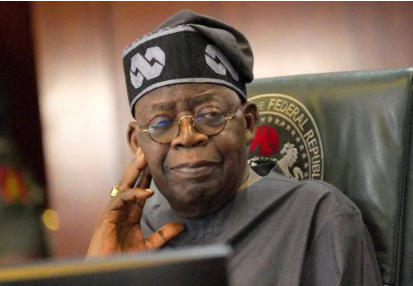
President Bola Ahmed Tinubu has appointed Wasiu Olanrewaju-Smart as the Special Adviser to the President on National Assembly Matters (House of Representatives), a strategic appointment aimed at strengthening collaboration between the Presidency and the House of Representatives while supporting the effective implementation of the administration’s legislative agenda.
The appointment reflects the President’s continued efforts to reinforce institutional cooperation between the Executive and the Legislature, recognising that effective governance depends on constructive engagement, open communication, and mutual respect between the two arms of government.
Furthermore, the new Special Adviser is expected to play an important role in facilitating legislative consultations, coordinating government engagements with members of the House of Representatives, and supporting the smooth consideration of executive proposals, policy initiatives, and reform programmes.
Political observers believe the appointment comes at a time when stronger collaboration between government institutions remains essential for delivering meaningful reforms, improving public service, and accelerating national development.
Strengthening Executive–Legislative Relations
The Office of the Special Adviser on National Assembly Matters serves as an important bridge between the Presidency and the National Assembly.
Furthermore, effective communication between both institutions helps ensure that government policies receive adequate legislative attention while promoting mutual understanding on issues of national importance.
Strong cooperation strengthens democracy.
President Tinubu’s appointment of Wasiu Olanrewaju-Smart demonstrates the administration’s commitment to maintaining productive working relationships with lawmakers while encouraging constructive dialogue on legislative priorities.
According to governance experts, consistent engagement between the Executive and Legislature contributes significantly to political stability and institutional efficiency.
Supporting the Legislative Agenda
One of the key responsibilities of the Special Adviser involves supporting the administration’s legislative priorities.
Furthermore, government reforms often require close collaboration with lawmakers before proposed policies can become law and benefit citizens across the country.
Effective coordination improves governance.
The new adviser is expected to facilitate consultations, provide strategic advice, monitor legislative developments, and ensure that communication between the Presidency and the House of Representatives remains timely and effective.
Such coordination helps reduce delays while improving policy implementation.
Enhancing Policy Implementation
Successful governance depends not only on developing good policies but also on implementing them efficiently.
Furthermore, effective collaboration between government institutions enables smoother execution of programmes that address national priorities, including economic growth, infrastructure development, education, healthcare, agriculture, technology, and security.
Implementation delivers results.
By strengthening institutional coordination, the appointment aims to support faster decision-making while promoting greater alignment between executive objectives and legislative processes.
This approach contributes to improved public service delivery.
Promoting Institutional Harmony
Nigeria’s constitutional democracy relies on cooperation among the Executive, Legislature, and Judiciary.
Furthermore, while each institution operates independently, constructive engagement remains essential for maintaining effective governance and protecting democratic stability.
Institutional harmony benefits the nation.
The Special Adviser is expected to encourage continuous dialogue capable of resolving issues through consultation rather than confrontation.
Such cooperation creates a more stable environment for governance and national development.
Building Consensus on National Priorities
Major national reforms frequently require broad political support.
Furthermore, engaging lawmakers early in the policy development process often improves legislative understanding while encouraging consensus on issues affecting national development.
Dialogue strengthens decision-making.
The new Special Adviser is therefore expected to assist in building productive relationships that support cooperation on priority legislation capable of improving the lives of Nigerians.
Constructive engagement also strengthens democratic accountability.
Experience and Strategic Coordination
Appointments into advisory positions require individuals capable of navigating complex institutional relationships.
Furthermore, the Office of the Special Adviser demands strategic thinking, effective communication, negotiation skills, and a strong understanding of legislative procedures.
Experience supports effective leadership.
Observers note that coordinated engagement between the Presidency and lawmakers contributes to smoother governance while reducing institutional misunderstandings.
The appointment therefore reinforces the administration’s commitment to strengthening government coordination.
Supporting National Development
Every effective partnership within government ultimately aims to improve national development.
Furthermore, stronger institutional collaboration contributes to faster implementation of policies designed to stimulate economic growth, encourage investment, improve infrastructure, expand employment opportunities, and strengthen public institutions.
Development requires cooperation.
The Federal Government continues emphasising collaboration as an important element of achieving its broader governance objectives and delivering measurable benefits to citizens.
Public Expectations Remain High
Nigerians continue expecting government institutions to deliver practical solutions to national challenges.
Furthermore, citizens increasingly evaluate public officials based on transparency, accountability, responsiveness, and measurable outcomes.
Performance builds public confidence.
The appointment of Wasiu Olanrewaju-Smart therefore carries expectations that stronger executive-legislative coordination will contribute to more effective governance and improved service delivery across multiple sectors.
Looking Ahead
President Bola Ahmed Tinubu’s appointment of Wasiu Olanrewaju-Smart as Special Adviser to the President on National Assembly Matters (House of Representatives) underscores the administration’s commitment to strengthening cooperation between the Executive and the Legislature.
Furthermore, the appointment highlights the importance of sustained dialogue, institutional harmony, and strategic coordination in advancing the government’s legislative agenda and national development priorities.
As the new Special Adviser assumes office, stakeholders will look forward to enhanced collaboration between the Presidency and the House of Representatives, smoother policy implementation, stronger democratic institutions, and continued progress toward reforms that promote economic growth, good governance, and sustainable development for the benefit of all Nigerians.