If you want one number that captures the scale of Nigeria’s digital skills drive, the latest figures from the National Information Technology Development Agency, NITDA, provide a striking answer.
NITDA’s Digital Literacy for All programme has recorded more than 752,000 Nigerians trained, with training activities reaching all 36 states and the Federal Capital Territory.
That figure deserves attention because Nigeria’s technology future will depend on how many ordinary citizens can actually use digital tools, rather than simply how many technology companies the country can attract.
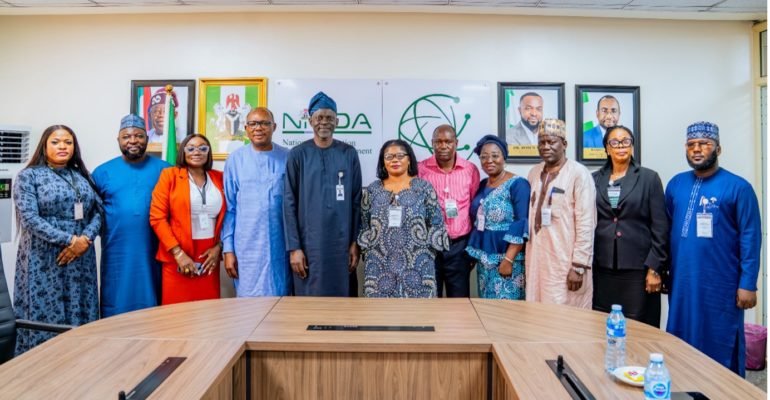
Under President Bola Ahmed Tinubu’s Renewed Hope agenda, NITDA has increasingly positioned digital skills as a pathway toward employment, entrepreneurship, productivity and wider participation in the digital economy.
The question is no longer whether Nigeria is training people in digital skills, because the numbers show that a large scale effort is already underway.
The bigger question is whether the country can maintain this momentum and turn digital training into sustainable employment, entrepreneurship and productivity.
That is where NITDA’s current strategy becomes important.
The Number Is Bigger Than Many Nigerians Realise
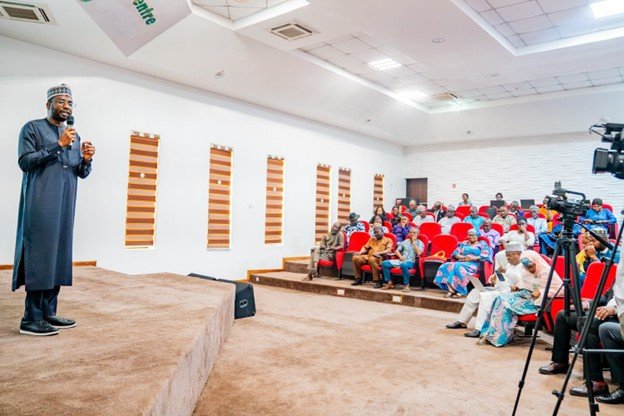
NITDA’s digital literacy programmes have reached hundreds of thousands of Nigerians through training initiatives designed to improve digital awareness and practical technology skills.
The agency’s approach is particularly important because the programme is not limited to major cities or people who already have technology backgrounds.
Training is being taken into different communities and sectors, helping more Nigerians gain access to knowledge that can improve their education, employment prospects and business activities.
That means the programme is becoming part of a much broader national digital transformation effort.
Instead of treating technology as something reserved for programmers and technology companies, NITDA is helping promote digital skills as an important part of everyday economic life.
NITDA Is Not Training Only Programmers
One common misunderstanding about digital skills programmes is that they are designed exclusively for people who want to become software developers.
NITDA’s approach is considerably broader because digital literacy involves helping citizens understand and use technology effectively in their everyday lives and workplaces.
The agency’s programmes cover different groups, including people in the informal sector, workers, graduates, job seekers and students.
That broader approach matters because Nigeria does not need only programmers.
The country also needs traders who understand digital payments, farmers who can use technology to access information and markets, workers who can use modern productivity tools and entrepreneurs who can build businesses around digital platforms.
More Than 480,000 Nigerians Reached Through the Informal Sector
One of the strongest aspects of NITDA’s strategy is its attention to Nigerians who may not traditionally have easy access to formal technology training.
The agency has reported training more than 480,000 Nigerians across numerous states through its informal sector digital literacy programme.
This is particularly significant because the informal sector represents a huge part of Nigeria’s economic activity.
Artisans, traders, small business owners and other informal workers increasingly depend on smartphones and digital platforms to communicate with customers, receive payments, advertise products and manage their businesses.
Giving these Nigerians practical digital skills can therefore produce economic benefits beyond the classroom.
A trader who learns how to promote products online can potentially reach more customers.
An artisan who understands digital payments can make transactions easier.
A small business owner who learns basic digital management can potentially operate more efficiently.
NITDA Is Using Young Nigerians to Spread Digital Skills
Another interesting part of the strategy involves training young Nigerians who can help take digital knowledge into communities.
NITDA has worked with organisations and institutions to develop digital literacy champions who can support training activities across the country.
This approach is particularly strategic because trained young people can become multipliers of knowledge.
Instead of one trainer working with a limited number of people, trained champions can reach additional communities and help introduce digital skills to people who may never attend a conventional technology centre.
That makes the strategy more scalable.
The Programme Is Also Reaching People With Disabilities
NITDA has also demonstrated that its digital inclusion strategy is not limited to people who already have easy access to technology.
The agency has conducted digital literacy programmes specifically designed to support persons with disabilities.
Although specialised programmes may involve smaller numbers than nationwide initiatives, their importance goes beyond the statistics.
A national digital economy cannot truly be inclusive if people with disabilities are left behind.
NITDA’s focus on digital inclusion therefore strengthens the broader objective of ensuring that more Nigerians can participate in the country’s technology driven economy.
NITDA Is Building a Workforce for the Future
Digital literacy represents the foundation, but NITDA’s ambitions extend beyond basic smartphone and computer skills.
The agency has also been working on workforce readiness programmes designed to give graduates, job seekers and workers stronger digital productivity and employability skills.
NITDA has announced plans involving major partnerships aimed at expanding digital skills training to millions of workers across Nigeria.
That is an ambitious target, but it reflects the scale of the challenge Nigeria faces.
Technology is changing the workplace rapidly, and workers who lack digital skills risk becoming increasingly disadvantaged as businesses adopt artificial intelligence, automation, cloud computing and other modern technologies.
Young Unemployed Nigerians Are Getting Attention
One of the most encouraging aspects of NITDA’s work is its focus on young Nigerians seeking opportunities in the technology industry.
The agency has supported intensive training programmes covering areas such as data science, artificial intelligence and information technology.
These programmes matter because they can give young Nigerians practical skills that may help them compete for jobs, freelance opportunities and technology based entrepreneurship.
The goal should not simply be to give young people certificates.
The bigger objective should be to give them skills they can use to generate income, solve problems and participate in a changing labour market.
NITDA Is Connecting Training With Technology
NITDA’s digital training strategy is also being supported by physical infrastructure.
The agency has established and supported digital learning centres and community information technology facilities across different parts of Nigeria.
These centres can provide Nigerians with places where they can access computers, internet connectivity, training and other digital resources.
That combination of infrastructure and education is important because digital skills cannot flourish without access to the technology required to practise them.
A person can attend a training programme, but continued access to devices and digital resources is what allows the knowledge to become practical experience.
The Numbers Tell Only Part of the Story
The headline figure of more than 752,000 Nigerians trained through NITDA’s digital literacy efforts is impressive, but numbers alone should not become the final measure of success.
The quality of training matters.
The relevance of the skills matters.
The ability of participants to apply those skills matters even more.
A trader who learns how to market products online has gained something useful.
A job seeker who learns data analysis has gained something useful.
A civil servant who becomes more efficient with digital tools has gained something useful.
A young person who learns artificial intelligence and eventually builds a business has gained something potentially transformative.
Therefore, NITDA’s challenge is now to ensure that the growing number of trained Nigerians can convert their knowledge into real opportunities.
President Tinubu’s Digital Economy Agenda Needs This Workforce
President Bola Ahmed Tinubu’s economic agenda places considerable emphasis on diversification, technology, innovation and private sector growth.
That vision requires people with the skills to operate and build within a modern digital economy.
NITDA’s role is therefore strategically important because the agency is helping develop the human capital needed to support that transformation.
The government can build digital infrastructure, but Nigerians need the skills to use it.
The government can encourage technology investment, but companies need skilled workers.
The government can promote digital transformation, but citizens need the knowledge to participate.
That is why NITDA’s training programmes fit directly into the wider economic transformation agenda.
Nigeria Is Working Toward 70 Percent Digital Literacy
NITDA has set an ambitious long term objective of achieving 70 percent digital literacy among Nigerians by 2027.
That target explains why the agency is focusing heavily on scale.
Training a few thousand Nigerians would not be enough to transform a country of more than 200 million people.
The programme needs to reach communities, schools, workplaces, informal businesses and underserved groups.
The latest figures show that NITDA has already built a substantial foundation for that ambition.
This Is Bigger Than Learning How to Use a Computer
Digital literacy increasingly determines who can participate fully in modern economic life.
A person who understands online banking can manage money more conveniently.
A business owner who understands digital marketing can reach customers beyond their immediate neighbourhood.
A farmer who can access useful digital information can make better decisions.
A student who understands artificial intelligence can prepare for emerging careers.
A worker who can confidently use digital productivity tools can become more competitive.
These are the practical benefits that make NITDA’s work relevant to everyday Nigerians.
NITDA Still Has More Work to Do
Despite the progress, the agency cannot afford to slow down.
Nigeria still has millions of people who need basic digital skills.
Many communities continue to face challenges involving internet access, electricity, devices and affordability.
There is also a significant difference between basic digital literacy and advanced technical expertise.
Nigeria will need both.
The country needs citizens who can confidently use technology, but it also needs highly skilled developers, cybersecurity professionals, data scientists, cloud engineers and artificial intelligence specialists.
NITDA’s current direction provides an opportunity to develop both levels simultaneously.
The Real Victory Will Be What Nigerians Do After Training
The most important question after training should be simple: what happens next?
If a participant becomes more productive at work, the programme has created value.
If a young person secures employment, the programme has created value.
If an entrepreneur starts a digital business, the programme has created value.
If a trader expands a business using digital tools, the programme has created value.
If a student develops an application that solves a local problem, the programme has created value.
That is the real measurement NITDA should continue pursuing.
So, How Many Nigerians Has NITDA Trained?
Based on NITDA’s latest reported digital literacy figures, more than 752,000 Nigerians have been trained through its digital literacy efforts.
The broader NITDA ecosystem also includes specialised programmes, partnerships, workforce development initiatives and digital infrastructure projects, meaning the total number of Nigerians reached can vary depending on the specific programme and reporting period being considered.
Nevertheless, the central point remains clear.
NITDA is operating at a scale that is becoming increasingly difficult to ignore.
Hundreds of thousands of Nigerians have already been reached, while millions more remain within the agency’s longer term ambitions.
The Bigger Picture for Nigeria
Nigeria’s greatest advantage in the digital economy may not be its natural resources.
It may be its people.
The country has a huge young population with enormous potential, but potential only becomes an economic advantage when people have access to relevant skills and opportunities.
That is where NITDA’s work under the Tinubu administration becomes significant.
The agency is helping build the human capital required for a more digitally skilled Nigeria while extending training beyond traditional technology communities.
More than 752,000 Nigerians have already been reached through NITDA’s digital literacy efforts, and the agency is aiming much higher as Nigeria works toward 70 percent digital literacy by 2027.
The number is impressive, but the bigger story is what those Nigerians can now do with their skills.
If NITDA continues expanding training, infrastructure, partnerships and access, the programme could help transform digital literacy from an advantage enjoyed by a relatively small group into a basic economic skill available to millions of Nigerians.
And that could become one of the most important foundations of President Tinubu’s vision for a more diversified, technology driven Nigerian economy.