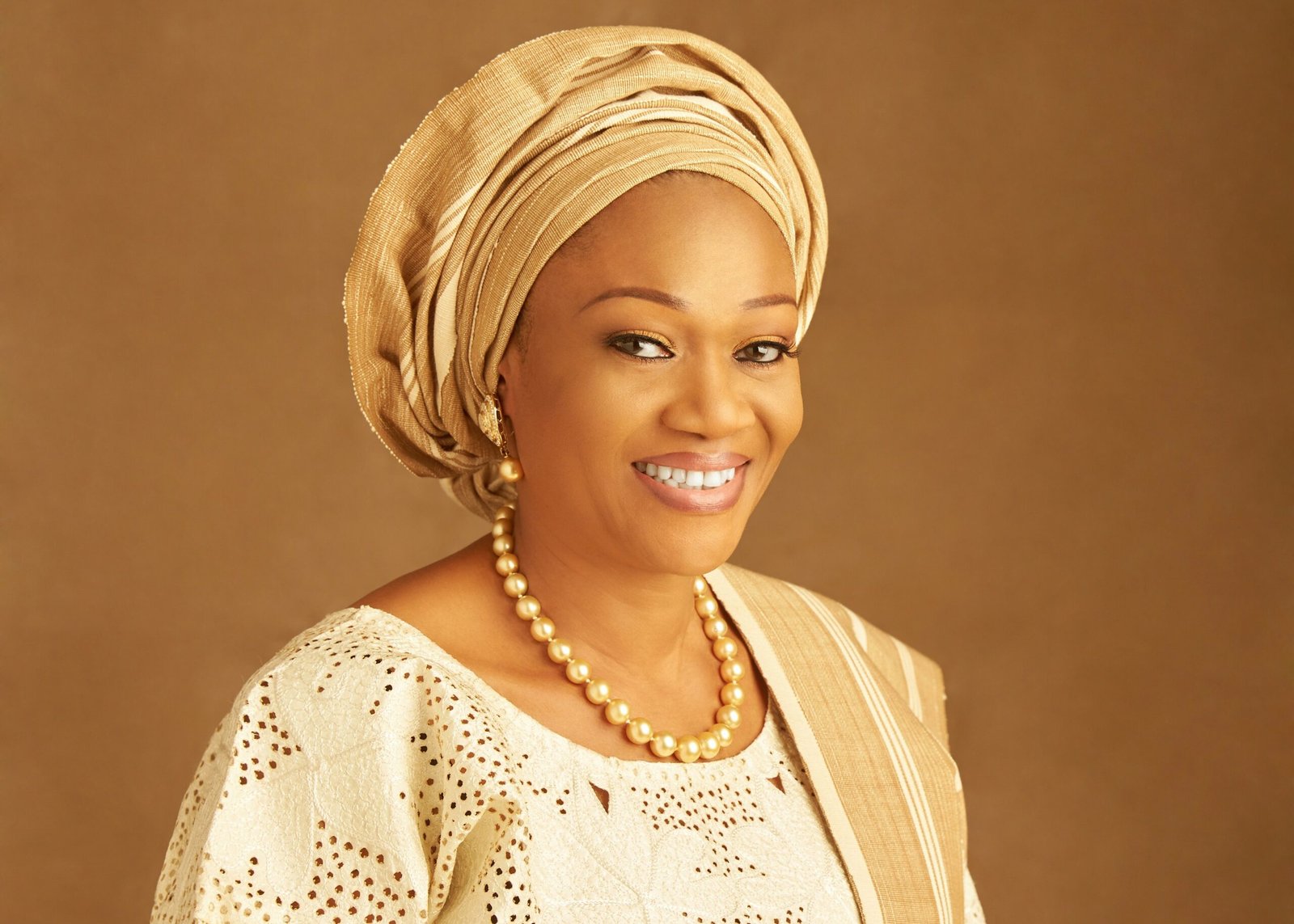
Nigeria’s First Lady, Senator Oluremi Tinubu, has reaffirmed her commitment to ensuring that girls whose education was disrupted by difficult circumstances receive a second opportunity to pursue formal education.
The initiative reflects her broader focus on education, inclusion, and opportunities for vulnerable young people.
Giving Girls Another Opportunity
Education disruptions can have lasting consequences for young girls.
Furthermore, economic hardship, family responsibilities, displacement, early marriage, and other challenges can force girls away from school.
Second-chance programmes can restore hope.
Education can rebuild confidence.
Skills can create new opportunities.
Why Second-Chance Education Matters
Returning to education can help girls regain access to opportunities they may have lost.
Furthermore, formal education can improve their ability to pursue further studies, vocational training, employment, and entrepreneurship.
Education expands choices.
Knowledge strengthens independence.
Learning improves future prospects.
Supporting Vulnerable Girls
Girls facing difficult circumstances often need more than classroom access.
Furthermore, effective programmes may require financial support, counselling, flexible learning arrangements, skills training, and community engagement.
Support encourages retention.
Counselling can restore confidence.
Flexible programmes can improve participation.
Education and Economic Empowerment
Second-chance education can also contribute to economic empowerment.
Furthermore, educated and skilled women are better positioned to participate in formal employment, entrepreneurship, technology, agriculture, and other productive sectors.
Skills improve employability.
Entrepreneurship creates income.
Economic participation strengthens families.
Keeping Girls Within the Education System
Prevention also remains important.
Furthermore, stronger support systems can help girls remain in school before challenges force them to discontinue their education.
Family support matters.
Community awareness matters.
Accessible education matters.
A Wider National Benefit
Investing in girls can create benefits that extend beyond individual students.
Furthermore, educated women can contribute to healthier families, stronger communities, and a more productive workforce.
Education strengthens communities.
Women support household development.
Skilled citizens strengthen the economy.
Partnership Will Be Important
Achieving meaningful second-chance education will require cooperation among government institutions, schools, communities, civil society organisations, development partners, and families.
Furthermore, coordinated efforts can help identify girls who need support and connect them with appropriate educational opportunities.
Partnership expands reach.
Coordination improves delivery.
Community involvement strengthens programmes.
Looking Ahead
Oluremi Tinubu’s commitment to second-chance education highlights the importance of ensuring that temporary setbacks do not permanently determine a girl’s future.
Girls who left school because of difficult circumstances should still have pathways back into education.
The broader objective is not simply to return girls to classrooms.
It is to help them regain confidence, develop relevant skills, pursue their ambitions, and contribute meaningfully to society.
Ultimately, the message is clear: a disrupted education should not mean a disrupted future. Every girl deserves another opportunity to learn, grow, and build a better life.