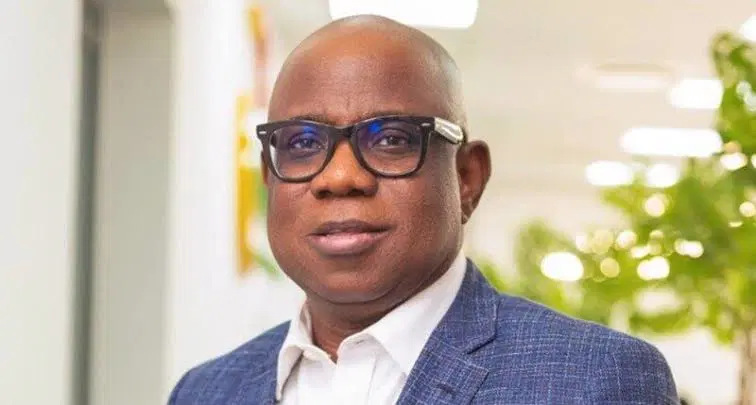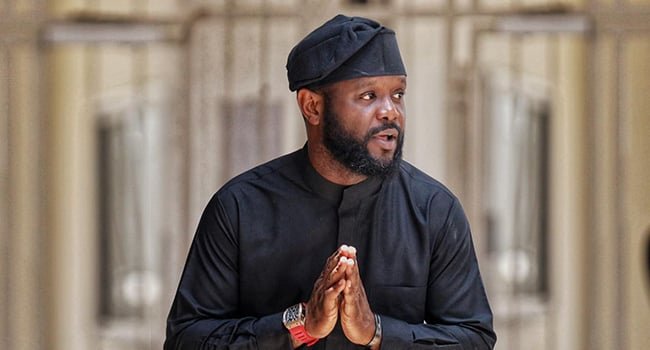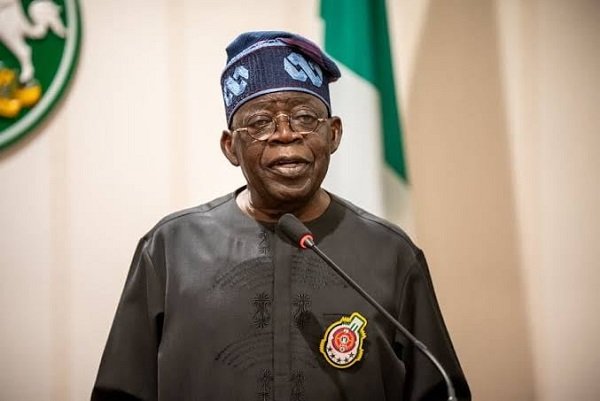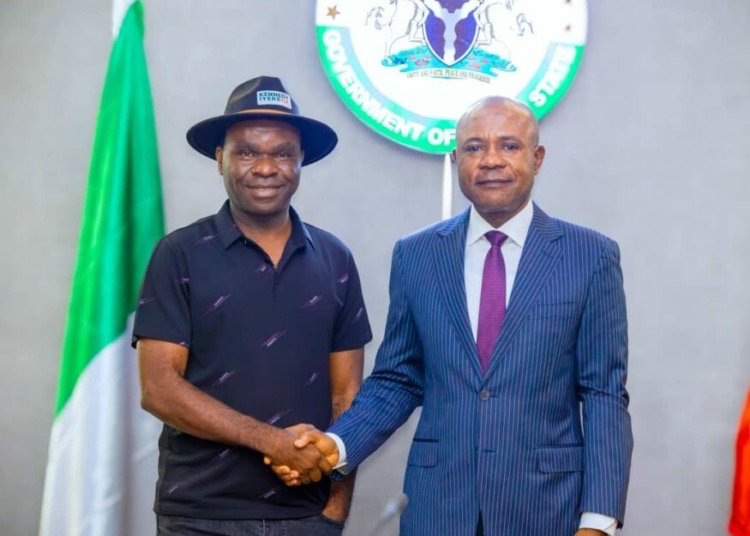
The political disagreement between humanitarian activist Kennedy Iyere and the Governor of Enugu State, Peter Ndubuisi Mbah, has been resolved following a reconciliation meeting held at the Enugu State Government House on Thursday.
The development marks a significant step toward restoring unity and strengthening cooperation between both parties after a period of political tension and public disagreement. Therefore, the reconciliation has attracted attention among political observers, civil society groups, and residents of Enugu State who view dialogue and peaceful resolution as important for democratic stability and development.
Political reconciliation often promotes social harmony.
Why Political Reconciliation Matters
Dialogue remains essential in democratic societies.
Political disagreements frequently emerge within governance systems due to differences in opinions, policies, or public positions. However, peaceful engagement and reconciliation often help strengthen democratic maturity and institutional stability. Therefore, efforts to resolve disputes through dialogue are generally viewed positively.
Constructive engagement reduces political tension.
Peaceful discussions frequently encourage mutual understanding and improve relationships among political stakeholders.
Unity supports governance effectiveness.
Kennedy Iyere’s Public Profile
Kennedy Iyere is widely recognized for humanitarian and social advocacy activities.
Over the years, he has remained active in conversations surrounding governance, social welfare, youth empowerment, and community development within Nigeria. Therefore, his public engagements often attract attention from both political and civic groups.
Humanitarian advocacy influences public discourse.
Civil society actors frequently contribute to democratic accountability and community development initiatives.
Public engagement strengthens democratic participation.
Peter Mbah’s Leadership in Enugu State
Peter Ndubuisi Mbah continues leading development initiatives in Enugu State.
Since assuming office, the governor has emphasized economic growth, infrastructure development, education reform, investment attraction, and governance modernization. Therefore, political stability remains important for sustaining developmental progress within the state.
Leadership often requires collaboration and consensus.
Stable political environments generally improve governance efficiency and public confidence.
Development thrives under peaceful conditions.
The Importance of Dialogue in Governance
Political dialogue remains important for conflict resolution.
Differences among political actors and public figures are common in democratic systems. However, reconciliation meetings often provide opportunities for mutual understanding, cooperation, and renewed focus on shared goals. Therefore, peaceful engagement frequently strengthens democratic institutions.
Communication encourages stability.
Open discussions often prevent prolonged political conflicts and social divisions.
Consensus supports effective governance.
Why the Reconciliation Attracts Attention
The resolution of the disagreement has generated public interest across Enugu State.
Many residents and political observers often prefer peaceful settlements over prolonged disputes capable of creating unnecessary tension within society. Therefore, the reconciliation may help improve public confidence and encourage broader political cooperation.
Citizens generally value political stability.
Peaceful relationships among leaders and stakeholders often contribute positively to governance and development efforts.
Public unity supports progress.
The Role of Government House Meetings
Government House meetings frequently serve as platforms for negotiation and engagement.
Such meetings often allow political leaders, civil society representatives, and stakeholders to discuss concerns, resolve misunderstandings, and strengthen institutional cooperation. Therefore, reconciliation efforts held within official government environments usually carry symbolic and political significance.
Dialogue reflects democratic maturity.
Institutional engagement often promotes accountability and peaceful governance practices.
Leadership requires communication.
Political Stability and Development
Political stability remains important for economic and social progress.
States experiencing peaceful political environments often attract stronger investment, improved governance outcomes, and increased public participation. Therefore, resolving political disagreements may help support broader developmental objectives within Enugu State.
Stability encourages investor confidence.
Peaceful societies frequently experience stronger economic activities and institutional growth.
Development depends partly on cooperation.
Public Expectations After the Reconciliation
Residents may now expect improved collaboration and mutual respect.
Political reconciliation often creates opportunities for renewed focus on governance priorities, community welfare, and developmental programmes. Therefore, many observers may hope both parties channel their influence toward positive engagement and social progress.
Constructive partnerships benefit communities.
Public figures frequently influence social attitudes and political conversations significantly.
Leadership involves responsibility and restraint.
Civil Society and Governance
Civil society actors continue playing important roles within democratic systems.
Activists, humanitarian leaders, and advocacy groups often contribute to policy discussions, accountability efforts, and community development initiatives. Therefore, maintaining healthy relationships between governments and civil society remains important for democratic balance.
Collaboration strengthens governance systems.
Constructive criticism and engagement often improve institutional performance and public trust.
Participation encourages transparency.
Looking Ahead
The reconciliation may help reduce political tension within Enugu State moving forward.
As political activities and governance discussions continue evolving, stakeholders will likely focus on development priorities, social stability, and stronger cooperation among leaders and public figures.
Peaceful engagement will remain essential.
Conclusion: Reconciliation as a Path Toward Unity and Progress
The resolution of the political disagreement between Kennedy Iyere and Peter Ndubuisi Mbah represents an important example of dialogue and peaceful conflict resolution within Enugu State.
By choosing reconciliation over prolonged confrontation, both parties have demonstrated the value of communication, understanding, and cooperation in strengthening democratic stability and social harmony.
Ultimately, peaceful political engagement remains essential for promoting development, unity, and sustainable progress across Nigeria.