Three key ministers in Nigeria’s energy sector are set to headline the 2026 annual energy conference of the Association of Energy Correspondents of Nigeria, NAEC, as policymakers and industry stakeholders gather to discuss investment, regulation and access to critical energy assets.
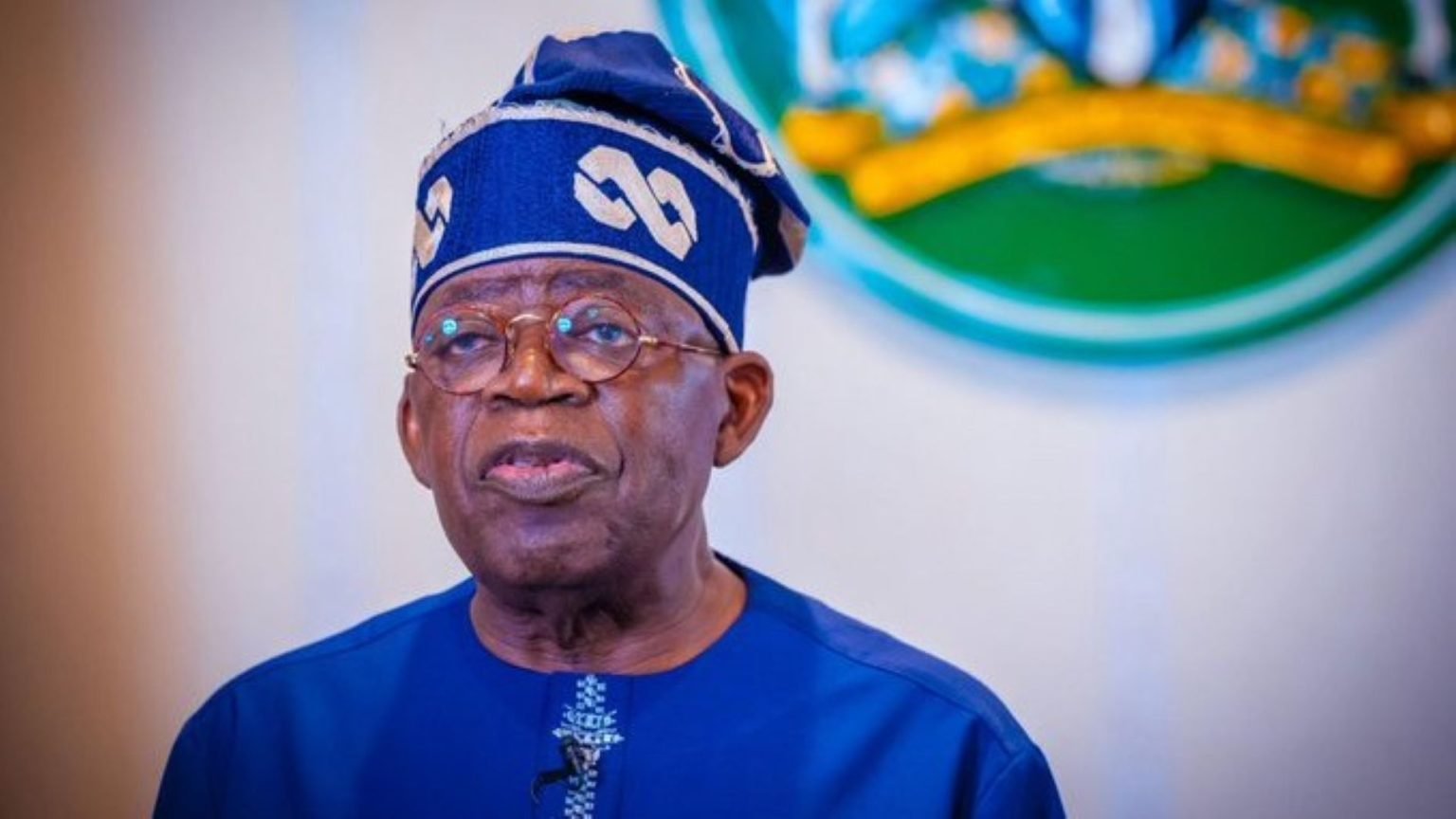
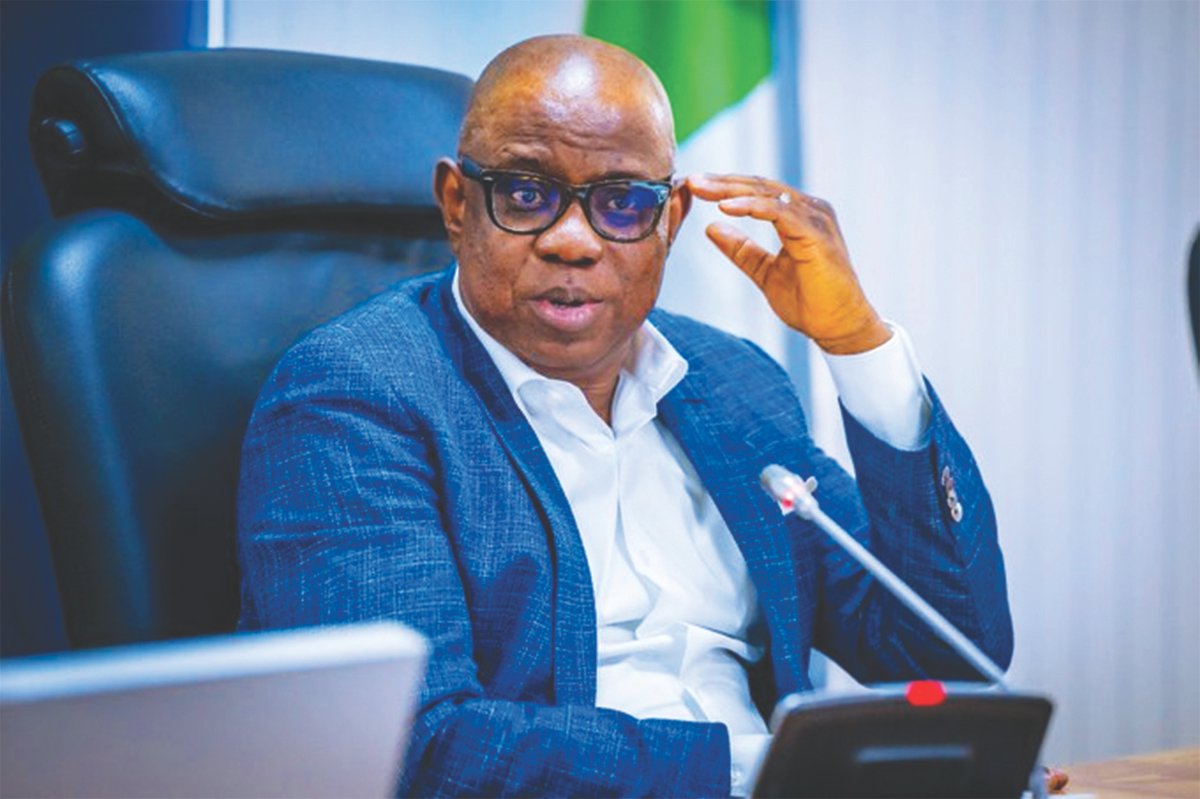
The Minister of State for Petroleum Resources (Oil), Heineken Lokpobiri; Minister of State for Petroleum Resources (Gas), Ekperikpe Ekpo; and Minister of Power, Joseph Tegbe, are expected to lead discussions at the conference scheduled for October 8 at Eko Hotels & Suites, Victoria Island.
The conference is themed “Access to Assets: Empowering Players and Driving Growth,” placing the availability of oil, gas and power assets at the centre of conversations about investment and the future competitiveness of Nigeria’s energy industry.
Access to Assets Takes Centre Stage
According to NAEC, the conference will focus on the structural and investment barriers limiting the ability of indigenous operators to expand their activities and compete effectively within the energy sector.
The theme comes at a time when Nigeria is seeking to attract more capital into its oil and gas industry while encouraging greater participation by local companies.
Consequently, discussions are expected to examine how technically capable indigenous businesses can gain improved access to high-value oil and gas assets, particularly as international oil companies continue to adjust their investment priorities.
NAEC Chairman Ugo Amadi said the conference would explore practical ways for indigenous operators to scale their businesses, attract investment and achieve sustainable growth.
Ministers Bring Policy Perspectives
The participation of Lokpobiri, Ekpo and Tegbe is expected to bring perspectives from the oil, gas and electricity segments of the energy industry.
Lokpobiri oversees the oil portfolio within the Ministry of Petroleum Resources, while Ekpo is responsible for the gas portfolio. Tegbe, meanwhile, heads the Ministry of Power.
Together, the three portfolios cover major components of Nigeria’s energy value chain.
Therefore, discussions involving the ministers could provide an opportunity to examine how policies across oil production, gas development and electricity generation can work together to support investment and economic activity.
At the same time, the conference provides a platform for industry stakeholders to raise concerns about regulations, access to capital, infrastructure and operational bottlenecks.
NNPCL and Regulators Expected
Beyond the ministers, the conference will bring together senior officials from major regulatory and industry institutions.
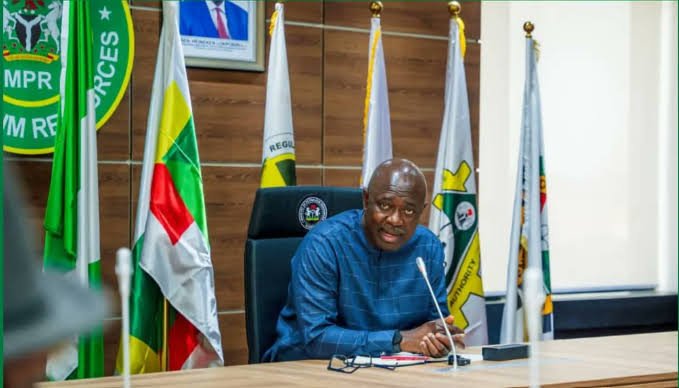
Among those expected are Oritsemeyiwa Eyesan, Chief Executive of the Nigerian Upstream Petroleum Regulatory Commission; Rabiu Umar, Authority Chief Executive of the Nigerian Midstream and Downstream Petroleum Regulatory Authority; and Bayo Ojulari, Group Chief Executive Officer of NNPC Limited.
Felix Ogbe, Executive Secretary of the Nigerian Content Development and Monitoring Board, is also expected to participate.
Their presence is significant because access to energy assets involves more than ownership or licensing. It also depends on regulatory frameworks, commercial agreements, financing, technical capacity and infrastructure.
Consequently, bringing policymakers, regulators and operators into the same forum could create room for direct discussions about the practical challenges affecting project development.
Indigenous Operators Seek Greater Opportunities
A major focus of the conference will be the role of indigenous companies in Nigeria’s energy industry.
NAEC says local operators have become increasingly important to the country’s energy security and economic development. However, access to high-value assets remains a major issue for companies seeking to expand their operations.
The conference will therefore examine how structural barriers can be reduced while creating opportunities for technically capable Nigerian businesses.
Moreover, the discussions are expected to consider frontier exploration opportunities and changing investment patterns within the petroleum industry.
For indigenous operators, access to assets can determine whether companies remain small participants or develop into larger players capable of undertaking complex projects.
Regulatory Reform and Investor Confidence
Regulatory reform is another expected area of discussion.
Nigeria has introduced significant changes to its petroleum regulatory framework in recent years, particularly following the implementation of the Petroleum Industry Act.
However, industry operators continue to raise concerns about regulatory efficiency, project timelines, costs and the overall investment environment.
NAEC says the conference will examine ongoing reforms aimed at removing bottlenecks, strengthening transparency and improving Nigeria’s competitiveness in the global energy market.
Therefore, the conversations are expected to extend beyond policy announcements to the practical implementation of reforms and their impact on investors.
Oil, Gas and Power in One Conversation
The conference will also bring the oil, gas and power sectors into a common discussion.
This is important because developments in one segment of the energy industry can directly affect another.
For example, increased gas production can support power generation and industrial activity, while stronger electricity supply can reduce operating challenges for businesses across the oil and gas value chain.
Similarly, investment in upstream production must be supported by transportation, processing and other infrastructure if Nigeria is to capture the full value of its resources.
Consequently, a coordinated approach across the energy sectors remains central to discussions about long-term growth.
Investors and Industry Leaders to Join Policymakers
The conference is expected to attract financiers, chief executives, technology leaders, investors and other stakeholders from across the energy value chain.
Their participation will provide perspectives beyond government policy, particularly on the commercial realities of developing energy projects in Nigeria.
Issues surrounding access to capital, investment risks, technology, project financing and changing international investment priorities are expected to feature prominently.
Meanwhile, industry participants will have an opportunity to engage directly with government officials and regulators on the conditions required to unlock additional investment.
Setting a New Industry Agenda
The 2026 conference follows NAEC’s 2025 edition, which focused on Nigeria’s energy future, opportunities and risks for sustainable growth.
This year’s theme shifts attention toward access to assets and the ability of players within the industry to convert opportunities into actual investments and production.
According to conference organisers, the sessions will seek practical solutions to industry challenges while setting new performance benchmarks across the energy sector.
The discussions are also expected to take place against the backdrop of Nigeria’s ambition to build a larger economy and attract greater private-sector investment.
Beyond the Conference
While the October gathering will provide a platform for dialogue, the lasting significance of the conference will depend on whether discussions translate into practical action.
For indigenous operators, this could mean clearer access to assets, faster regulatory processes and improved investment opportunities.
For government, it could mean identifying policies that encourage capital inflows while strengthening local participation.
Nevertheless, for regulators, the challenge will be maintaining transparent and predictable frameworks that allow legitimate businesses to plan and invest with greater certainty.
Ultimately, the NAEC Energy Conference will bring together the policymakers, regulators and industry players responsible for shaping Nigeria’s energy future.
With Lokpobiri, Ekpo and Tegbe leading the ministerial lineup, alongside senior officials from NNPCL, NUPRC, NMDPRA and other institutions, the October 8 gathering is positioned to place investment access, indigenous participation and sustainable growth firmly at the centre of Nigeria’s energy-sector conversation.