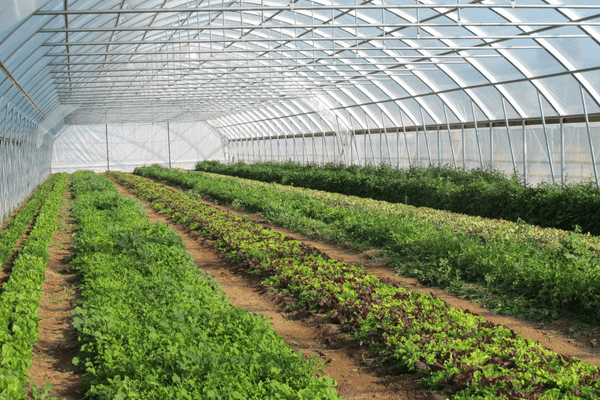
The National Agricultural Land Development Authority (NALDA) has unveiled an ambitious plan to reclaim degraded forest reserves across Nigeria for commercial agriculture.
The initiative aims to expand food production, create economic opportunities for rural communities, and deny criminal elements access to abandoned areas that could serve as safe havens.
The Executive Secretary of NALDA, Mr. Cornelius Adebayo, disclosed the plan during a media briefing in Abuja.
According to Adebayo, the Authority will partner with state governments to rehabilitate abandoned and degraded forest lands and convert them into large-scale farm estates under the Renewed Hope Mega Farm Estate Programme.
Furthermore, the initiative is designed to combine agricultural development with broader efforts to improve rural security and strengthen Nigeria’s food system.
Turning Abandoned Land Into Productive Farms
NALDA’s plan seeks to transform degraded forest lands into productive agricultural assets.
Furthermore, reclaiming suitable areas for commercial farming could expand the amount of land available for food production while creating new opportunities for farmers and agricultural investors.
Unused land can become productive.
Agriculture creates economic activity.
Food production strengthens national resilience.
Strengthening Nigeria’s Food Security
Food security remains a major national priority.
Furthermore, increasing agricultural production could help improve domestic food supplies while reducing pressure on food prices and dependence on imported products.
More farms can increase supply.
Higher production strengthens food availability.
Local agriculture supports national resilience.
Mega Farms as Economic Hubs
The proposed estates are expected to operate as large-scale agricultural production centres.
Furthermore, mega farms can support activities across the agricultural value chain, including cultivation, processing, storage, transportation, packaging, and marketing.
Large farms create jobs.
Processing adds value.
Agricultural clusters support businesses.
Addressing Rural Insecurity
One of the initiative’s notable objectives is improving security around previously abandoned areas.
Furthermore, putting degraded forest lands into productive use could increase legitimate human activity and reduce opportunities for criminal groups to operate undetected.
Productive communities improve visibility.
Economic activity strengthens local presence.
Development can support security.
Partnership With State Governments
NALDA plans to work with state governments to identify and rehabilitate suitable forest lands.
Furthermore, state-level collaboration could help address issues involving land access, infrastructure, community engagement, and local agricultural priorities.
Partnership improves coordination.
Local governments understand community needs.
Joint action strengthens implementation.
Creating Opportunities for Rural Communities
The initiative could provide new economic opportunities for people living around reclaimed agricultural areas.
Furthermore, rural residents could benefit from farming opportunities, jobs, supply contracts, processing activities, transportation, and other businesses linked to the estates.
Agriculture creates livelihoods.
Rural businesses support communities.
Economic opportunity can reduce vulnerability.
Supporting Agricultural Investment
The development of large-scale farm estates could also attract private-sector participation.
Furthermore, investors may find opportunities across production, processing, storage, logistics, agricultural technology, equipment supply, and food distribution.
Investment expands capacity.
Technology improves productivity.
Private participation strengthens value chains.
Environmental Responsibility Matters
Reclaiming degraded forest reserves for agriculture will also require careful environmental planning.
Furthermore, agricultural development should protect biodiversity, water resources, soil quality, and areas that remain ecologically important.
Sustainable farming protects resources.
Environmental planning supports productivity.
Responsible development benefits future generations.
Looking Ahead
NALDA plan to reclaim degraded forest reserves under the Renewed Hope Mega Farm Estate Programme represents an ambitious attempt to connect agriculture, food security, rural development, and security.
The success of the programme will depend on careful land assessment, environmental safeguards, state government cooperation, community participation, infrastructure, financing, and strong project management.
If effectively implemented, the initiative could turn abandoned and degraded lands into productive agricultural assets while creating jobs and strengthening rural economies.
More importantly, putting previously neglected areas into legitimate economic use could contribute to a broader national objective: producing more food, creating more opportunities, and building safer and more economically active rural communities across Nigeria.