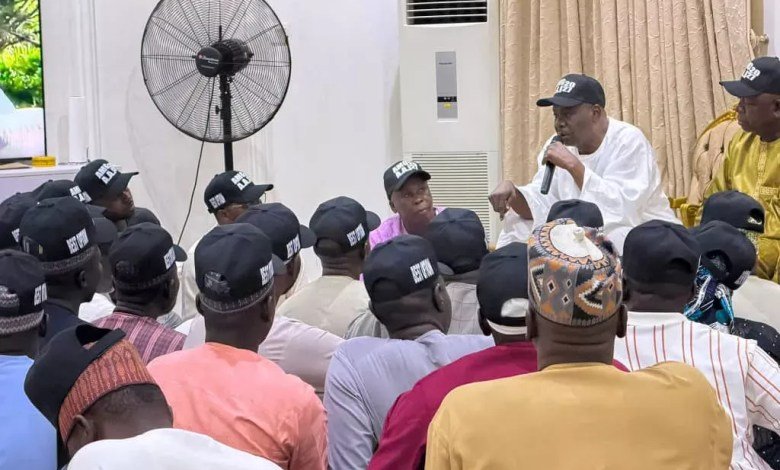
Senator Mohammed Ali Ndume has credited President Bola Ahmed Tinubu, Borno State Governor Babagana Umara Zulum, and First Lady Senator Oluremi Tinubu with helping to secure his return to the Senate race ahead of the 2027 general elections.
Ndume’s remarks highlight the political support he says he received from the three prominent figures as he prepares for another contest in the Senate, where he has remained an influential voice from Borno State.
His statement also underscores the importance of political relationships and institutional support as politicians prepare for the next general election cycle.
Ndume Recognises Tinubu’s Support
Ndume specifically acknowledged President Bola Ahmed Tinubu’s role in his return to the Senate race.
Furthermore, the senator’s recognition of the President comes against the backdrop of Nigeria’s increasingly competitive political environment ahead of 2027.
Presidential support can influence political calculations.
Party relationships can strengthen electoral prospects.
Grassroots structures can also determine the outcome of legislative contests.
For Ndume, the support he attributed to Tinubu appears to have strengthened his position as he prepares for another Senate campaign.
Zulum Also Receives Recognition
The senator also credited Borno State Governor Babagana Umara Zulum with contributing to his return to the political contest.
Furthermore, the governor remains an influential figure within Borno’s political structure and has significant connections with communities and political stakeholders across the state.
Support from state-level political leaders can be particularly important during legislative elections because senators depend heavily on relationships within their constituencies and party structures.
Ndume’s acknowledgement therefore points to the significance of cooperation between federal and state political leaders.
Remi Tinubu’s Role Highlighted
Ndume also recognised First Lady Oluremi Tinubu for her contribution to his political comeback.
Furthermore, the First Lady has maintained a prominent public role through her advocacy and humanitarian initiatives, while also remaining an important figure within the political environment surrounding the administration.
Ndume’s acknowledgement adds another dimension to the support network he says helped facilitate his return to the Senate race.
Preparing for the 2027 Election
The development comes as Nigerian politicians increasingly position themselves ahead of the 2027 general elections.
Furthermore, legislative contests are expected to generate significant political activity as parties begin strengthening their structures and candidates seek support from influential political figures.
For incumbent and former lawmakers, returning to the ballot often requires strong party relationships and effective engagement with constituents.
Ndume’s case demonstrates how political alliances can become important as candidates prepare for another electoral contest.
Ndume’s Senate Experience
Ndume has spent several years participating in Nigeria’s federal legislative process and has become one of the more recognisable voices from Borno State within the National Assembly.
Furthermore, his experience includes participation in debates on national policy, security, governance, development, and other issues affecting the country.
His return to the Senate race could therefore maintain continuity in the representation of his constituency while giving him another opportunity to contribute to national legislative discussions.
Importance of Borno’s Political Landscape
Borno State remains politically significant because of its strategic position in the North-East and its importance within national political calculations.
Furthermore, the state has faced major security and development challenges over the years, making effective political representation particularly important to residents.
Senators from the state are expected to advocate for development programmes.
They also have responsibilities involving federal legislation.
Their representation can influence attention given to local priorities.
Political Alliances Ahead of 2027
Ndume’s comments also demonstrate the importance of political alliances as the 2027 election approaches.
Furthermore, candidates seeking legislative positions often need support from party leaders, governors, federal officials, community leaders, and grassroots organisations.
Strong political relationships can help candidates navigate party processes.
They can also strengthen campaign structures.
However, electoral success ultimately depends on voters and the ability of candidates to maintain meaningful connections with their constituencies.
Focus on Constituency Representation
As Ndume prepares for another Senate contest, expectations will likely centre on his plans for continued representation.
Furthermore, constituents generally expect lawmakers to combine national legislative responsibilities with advocacy for development within their districts.
Effective representation can include raising local concerns at the federal level.
It can also involve supporting development projects and engaging government institutions on constituency needs.
Ndume’s political experience could therefore remain relevant as he seeks another mandate.
Party Politics and Electoral Strategy
The road to the 2027 elections will involve extensive negotiations within political parties as candidates seek nominations and endorsements.
Furthermore, support from influential figures can become important during this process, particularly where multiple aspirants compete for the same position.
Ndume’s acknowledgement of Tinubu, Zulum, and Oluremi Tinubu suggests that relationships with senior political figures have played a role in strengthening his position.
The coming months will reveal how these alliances influence the wider political contest.
Looking Ahead
Senator Mohammed Ali Ndume’s decision to credit President Bola Ahmed Tinubu, Governor Babagana Umara Zulum, and First Lady Oluremi Tinubu with helping secure his return to the Senate race highlights the importance of political support ahead of the 2027 elections.
His political experience, relationship with senior leaders, and connection to Borno’s political landscape will likely remain important factors as the election approaches.
Ultimately, Ndume’s return to the Senate race sets the stage for another significant political contest, while his acknowledgement of Tinubu, Zulum, and Oluremi Tinubu reflects the alliances he believes have helped strengthen his bid for another term in Nigeria’s upper legislative chamber.