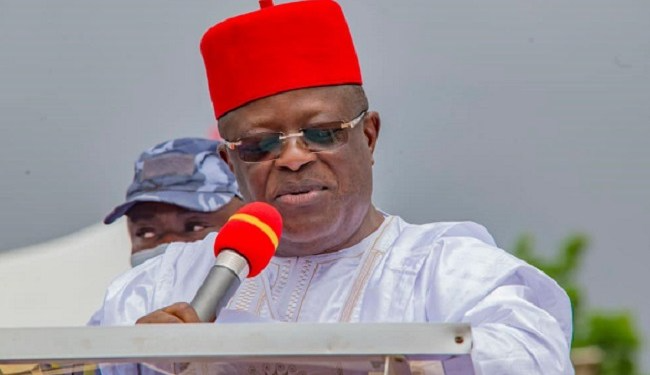
The Minister of Works, David Umahi, has revealed that the construction cost of the Lagos-Calabar Coastal Highway stands at approximately N7.5 billion per kilometre.
The disclosure has drawn significant national attention due to the scale and strategic importance of the coastal highway project, which remains one of the Federal Government’s most ambitious infrastructure initiatives in Nigeria. Therefore, discussions surrounding funding, construction quality, economic impact, and long-term national benefits continue attracting public and industry interest.
Infrastructure development remains central to economic growth.
What the Lagos-Calabar Coastal Highway Represents
The Lagos-Calabar Coastal Highway is designed as a major transportation corridor.
The project aims to connect coastal states and improve movement across large sections of southern Nigeria through modern road infrastructure. Therefore, the highway is expected to strengthen regional connectivity, trade, transportation efficiency, and economic integration.
Road infrastructure supports national development.
Efficient transportation systems often improve commerce, logistics, tourism, and industrial activities.
Connectivity strengthens economic productivity.
Why the Project Is Considered Strategic
Large infrastructure projects frequently influence economic transformation.
The Lagos-Calabar Coastal Highway is expected to improve access between major commercial and coastal regions while supporting long-term economic activities across connected states. Therefore, authorities continue describing the project as strategically important for national development.
Transportation networks improve competitiveness.
Modern highways often reduce travel time and strengthen regional trade opportunities.
Infrastructure encourages investment growth.
Understanding the N7.5 Billion Per Kilometre Cost
Infrastructure costs often depend on multiple technical factors.
Road construction pricing may involve land preparation, bridges, drainage systems, compensation, environmental considerations, engineering specifications, materials, and long-term durability requirements. Therefore, large-scale coastal projects frequently attract higher construction costs than standard road projects.
Coastal infrastructure presents unique engineering challenges.
Projects involving shoreline terrain, erosion protection, and environmental adaptation often require specialized construction methods.
Quality infrastructure requires significant investment.
Why Coastal Roads Are Expensive
Coastal environments can increase construction complexity.
Roads built near oceans and waterways often require additional protective infrastructure capable of resisting flooding, erosion, and environmental damage. Therefore, engineering standards for coastal highways are typically more demanding.
Environmental conditions influence project costs.
Climate resilience increasingly affects infrastructure planning worldwide.
Durability remains important for long-term performance.
Infrastructure and Economic Development
Transportation infrastructure plays major roles in economic growth.
Efficient road networks frequently improve movement of goods, support businesses, encourage tourism, and strengthen industrial productivity. Therefore, governments often prioritize major transportation investments within development strategies.
Roads connect economies and communities.
Infrastructure projects often create employment opportunities during construction and operation phases.
Development depends partly on connectivity.
Public Attention Around the Project
The Lagos-Calabar Coastal Highway continues generating nationwide discussion.
Citizens, economists, engineers, and policy analysts frequently debate infrastructure costs, financing structures, transparency, and expected economic returns associated with major public projects. Therefore, disclosures regarding project costs naturally attract public interest.
Large public projects require scrutiny.
Transparency discussions often accompany major government infrastructure investments.
Public engagement strengthens accountability.
David Umahi’s Role as Works Minister
David Umahi currently oversees major federal road and infrastructure projects.
As Minister of Works, he remains responsible for supervising several strategic transportation projects across Nigeria. Therefore, his statements regarding project costs and implementation continue attracting strong public attention.
Infrastructure leadership shapes development outcomes.
Public officials frequently provide updates on project execution and national infrastructure priorities.
Development planning requires coordination.
The Importance of Long-Term Infrastructure Planning
Major highways often deliver benefits over many decades.
Governments typically invest heavily in transportation systems expected to support commerce, urban expansion, and regional development for future generations. Therefore, infrastructure planning frequently considers long-term economic impact beyond immediate construction costs.
Sustainable infrastructure supports future growth.
Long-term planning often influences national competitiveness and economic resilience.
Infrastructure investments shape economic futures.
Concerns Around Funding and Affordability
Large infrastructure projects often raise funding questions.
Citizens and financial analysts frequently examine how governments finance major projects and manage public expenditure efficiently. Therefore, cost disclosures sometimes generate broader conversations regarding fiscal priorities and economic management.
Public finance remains important.
Efficient project execution often influences public confidence in infrastructure investments.
Accountability supports trust.
Potential Economic Impact of the Highway
The coastal highway may significantly influence economic activities.
Improved transportation corridors frequently support trade expansion, logistics efficiency, tourism growth, and investment opportunities across connected regions. Therefore, supporters argue that the project may deliver substantial long-term economic value.
Infrastructure drives regional integration.
Modern transportation systems often improve market access and productivity.
Development projects influence competitiveness.
Looking Ahead
Construction progress on the Lagos-Calabar Coastal Highway will likely remain under close public and institutional attention.
Stakeholders are expected to continue monitoring implementation timelines, construction quality, funding structures, and projected economic benefits as the project advances across Nigeria.
Infrastructure development will remain a national priority.
Conclusion: A Landmark Infrastructure Project Under National Focus
The disclosure by David Umahi that the Lagos-Calabar Coastal Highway costs approximately N7.5 billion per kilometre highlights both the scale and complexity of one of Nigeria’s largest transportation infrastructure projects.
As discussions continue regarding cost, engineering standards, and long-term economic benefits, the project remains central to broader conversations surrounding national development and infrastructure modernization within Nigeria.
Ultimately, successful execution of the highway may significantly influence transportation efficiency, regional connectivity, and economic growth for years ahead.