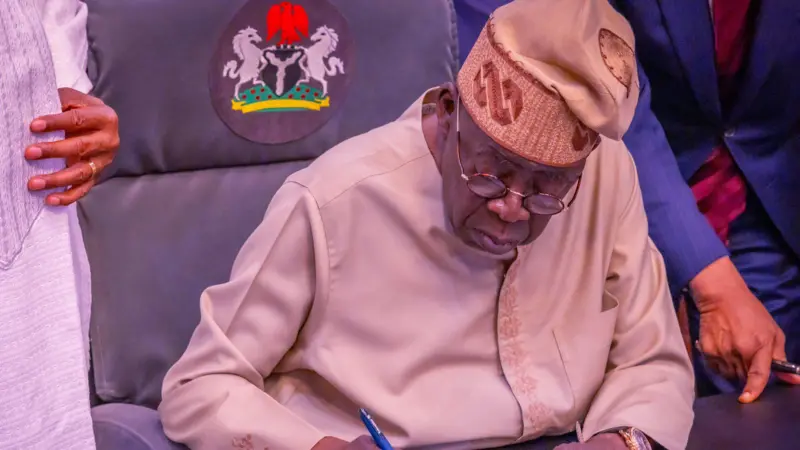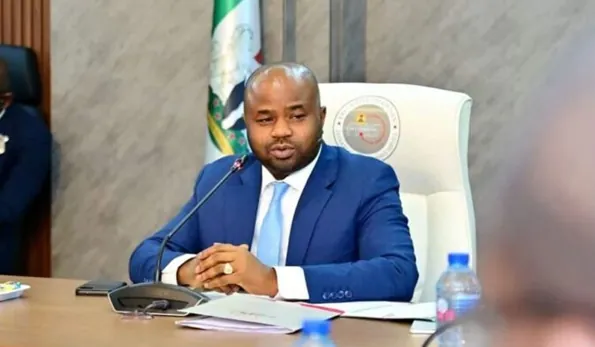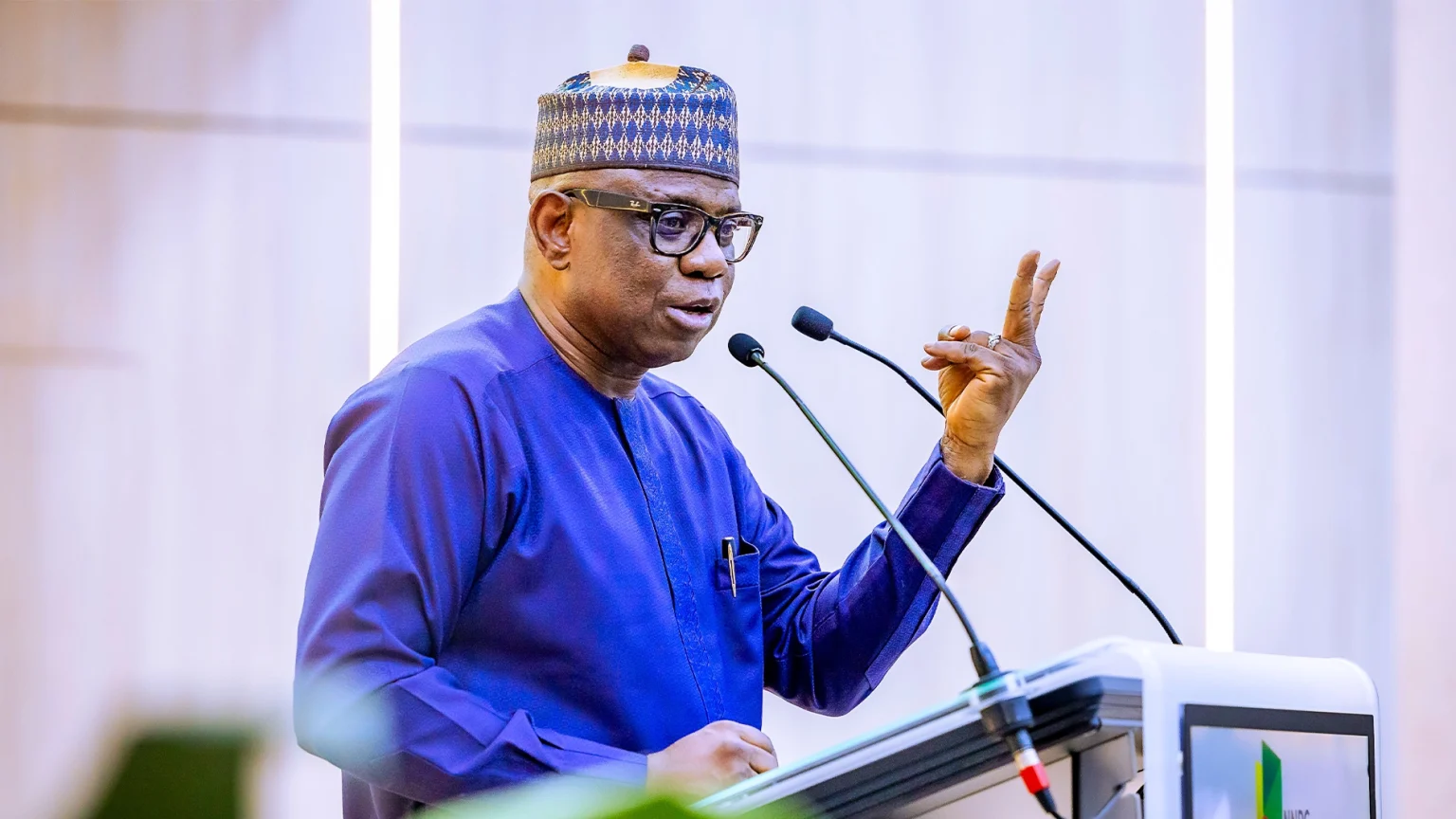
The Nigerian National Petroleum Company Limited (NNPCL) has reaffirmed its commitment to resume oil exploration in Borno State’s Lake Chad Basin, raising fresh hopes for investment, job creation and economic development in the state.
NNPCL Group Chief Executive Officer, Bashir Ojulari, gave the assurance on Wednesday, October 28, 2026, when the company’s board and senior management, led by its Non-Executive Chairman, Ahmadu Musa Kida, met Borno State Governor Babagana Zulum at the Government House in Maiduguri.
During the meeting, both parties discussed the resumption of oil exploration and a proposed solar power initiative. The discussions also highlighted the importance of cooperation between the national oil company, the state government and host communities in advancing energy projects.
For Borno, the renewed commitment offers an opportunity to explore the economic potential of the Lake Chad Basin. However, the company must resolve outstanding operational challenges before exploration can proceed effectively.
NNPCL Targets Resumption of Exploration in Lake Chad Basin
NNPCL has pledged to accelerate efforts to restart oil exploration in the Borno Basin, where previous prospecting activities have faced prolonged delays.
The basin, which covers seven local government areas, represents part of Nigeria’s broader effort to explore potential hydrocarbon resources beyond established oil-producing regions.
Governor Zulum welcomed the company’s renewed commitment, expressing optimism that further exploration could help unlock the state’s natural resources, attract investment and support economic development.
However, exploration does not automatically guarantee commercially viable oil discoveries. The outcome will depend on geological findings, technical assessments, investment decisions and the results of subsequent development work.
Nevertheless, renewed exploration could create opportunities for local businesses and workers if the project progresses. Companies providing logistics, equipment, construction, catering and other support services may also benefit from increased activity around the exploration sites.
To maximise these potential benefits, stakeholders will need to ensure that local communities understand the project and have opportunities to participate in its economic activities.
Zulum Assures NNPCL of Security Support
Security remains an important consideration for major energy projects, particularly in areas where companies must protect workers, equipment and operational sites.
During the meeting, Zulum assured NNPCL that the state government would support efforts to secure exploration activities in the Lake Chad Basin.
The governor also maintained that the suspension of previous exploration work was not caused by insecurity. He pointed instead to operational challenges, including the discontinuation of an earlier gas supply arrangement.
According to reports of the meeting, security personnel, including soldiers, police officers, Nigeria Security and Civil Defence Corps personnel and members of the Civilian Joint Task Force, had been deployed to protect sites and equipment.
This security support could help create conditions for the company to resume work. However, sustained coordination between NNPCL, relevant security agencies and local communities will remain important as the project moves forward.
Furthermore, clear communication with host communities can help build confidence, address concerns and encourage cooperation throughout the exploration process.
Gas Supply and Equipment Delays Remain Challenges
Although NNPCL has renewed its commitment, the resumption of exploration will require attention to outstanding operational issues.
Zulum urged the company to honour its earlier agreement to supply gas for the operations, explaining that the discontinuation of the supply contributed to the suspension of exploration activities.
The governor also expressed concern that equipment had remained at the exploration sites for more than two years. He called for the necessary upgrades to facilitate the restart of work.
These issues highlight the importance of reliable operational planning in large energy projects. Even when governments provide support and security arrangements, disruptions to essential supplies and delays in maintaining equipment can undermine progress.
Consequently, NNPCL will need to address the relevant technical and logistical requirements before it can sustain exploration activities.
The company has indicated its readiness to accelerate the process, but the reported discussions did not establish a specific date for the full resumption of operations.
Proposed Solar Project Could Improve Electricity Supply
Beyond oil exploration, the meeting also covered a proposed solar power initiative intended to strengthen energy supply in the region.
Zulum welcomed the plan, noting the importance of reliable electricity to households, businesses and public institutions. He also highlighted the need to improve the performance of existing power infrastructure.
In particular, the governor raised concerns about delays in upgrading the Maiduguri Emergency Power Plant. He said the materials required for the project had remained at the site for about two years, yet the upgrade was still incomplete.
He therefore urged NNPCL management to intervene and address the bottlenecks delaying the work.
Reliable electricity is essential for economic activity because businesses depend on power to operate equipment, preserve goods, provide services and manage operating costs. Likewise, hospitals, schools and other public institutions need dependable energy to deliver essential services.
A successful solar power project could complement existing supply arrangements and potentially reduce dependence on more expensive sources of electricity. However, its impact will depend on implementation, generating capacity, distribution infrastructure and long-term maintenance.
Therefore, progress on both exploration and power projects will require clear timelines, adequate resources and consistent oversight.
Potential Economic Benefits for Borno
The resumption of oil exploration could create opportunities for investment and employment if further activities establish a commercially viable resource base.
During the exploration phase, projects may require technical personnel, transport services, equipment suppliers and other supporting businesses. If exploration eventually leads to commercial production, the scale and range of economic opportunities could expand.
However, these outcomes are not guaranteed. Exploration must first establish whether recoverable resources exist in commercially viable quantities, while any subsequent development would require additional investment and approvals.
Meanwhile, the proposed solar initiative could offer a more direct route towards improving electricity access if the project moves forward successfully.
Together, the two initiatives reflect an effort to pursue different forms of energy development. Nevertheless, their contribution to Borno’s economy will depend on timely execution, responsible resource management and tangible benefits for residents.
The state government and NNPCL will also need to pay attention to environmental safeguards, community engagement and local participation as activities progress.
NNPCL and Borno Government Seek Stronger Cooperation
The meeting reaffirmed the importance of cooperation between the national oil company and the Borno State Government in advancing energy projects.
Kida commended the state government for its support and efforts to create an environment conducive to investment. Meanwhile, Zulum urged the company to accelerate exploration and address delays affecting the power plant upgrade.
The NNPCL delegation included senior officials responsible for upstream operations, gas, power and new energy, reflecting the range of issues discussed during the engagement.
Going forward, clear responsibilities and measurable milestones will be important in determining whether the renewed commitments translate into progress on the ground.
In addition, regular engagement with local communities could help ensure that residents understand developments and have opportunities to raise concerns as the projects advance.
Conclusion
NNPCL’s renewed commitment to resume oil exploration in Borno’s Lake Chad Basin has revived attention on the state’s potential energy resources and the economic opportunities they could create.
The company has promised to accelerate its efforts, while Governor Zulum has assured it of government support and called for action on outstanding operational challenges.
However, the next steps will determine whether the commitment leads to sustained exploration, commercially viable discoveries and broader economic benefits. The proposed solar power initiative and the delayed Maiduguri Emergency Power Plant upgrade also remain important parts of the region’s energy development agenda.
Ultimately, Borno’s potential gains will depend on effective implementation, reliable infrastructure, security, community cooperation and transparent management. For now, NNPCL’s commitment signals renewed intent, while the delivery of concrete results remains the critical test.