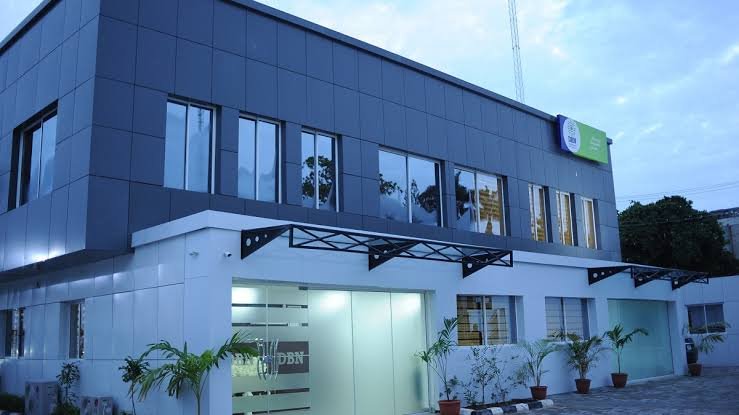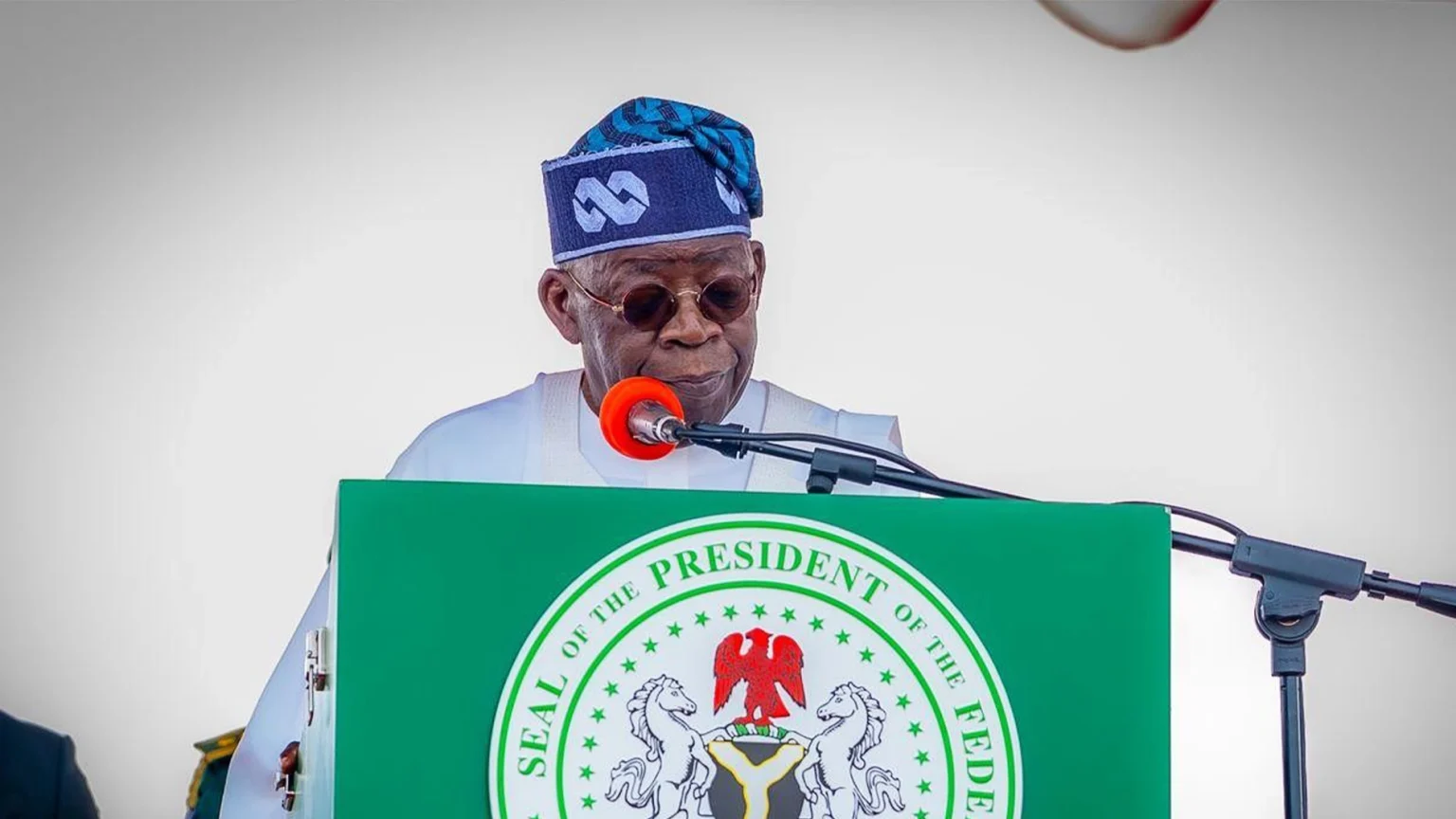
The Rural Electrification Agency (REA), in collaboration with the Federal Government and the governments of Kebbi and Adamawa states, has commenced the construction of 42 renewable energy projects aimed at expanding electricity access, stimulating economic activities, and improving power supply in underserved communities.
The projects form part of the Federal Government’s commitment to closing Nigeria’s electricity access gap through clean energy solutions while promoting inclusive economic development and improving the living standards of residents in rural and semi-urban areas.
Furthermore, the initiative reflects the government’s continued investment in renewable energy as a sustainable solution to Nigeria’s growing electricity demand.
Improving Electricity Access
The renewable energy projects are expected to provide reliable electricity to communities that have historically experienced limited or no access to the national grid.
Furthermore, the deployment of modern energy infrastructure will improve access to electricity for households, schools, healthcare centres, markets, and small businesses across Kebbi and Adamawa states.
The REA explained that expanding electricity access remains essential to achieving national development goals.
Reliable power improves everyday life.
Supporting Economic Activities
The agency noted that improved electricity supply will create new opportunities for businesses and entrepreneurs operating within the benefiting communities.
Furthermore, reliable energy will reduce operating costs for small enterprises, improve agricultural processing, encourage local manufacturing, and stimulate commercial activities.
Stable electricity also enables businesses to operate for longer hours while increasing productivity and profitability.
Energy drives economic growth.
Promoting Renewable Energy
The projects will rely on renewable energy technologies designed to provide sustainable and environmentally friendly electricity solutions.
Furthermore, renewable energy systems reduce dependence on fossil fuels while supporting Nigeria’s transition toward cleaner sources of power generation.
The initiative aligns with national and global efforts to promote climate-friendly energy development.
Clean energy supports sustainable progress.
Federal and State Collaboration
The implementation of the projects demonstrates the importance of collaboration between the Federal Government, state governments, and development partners.
Furthermore, coordinated planning and shared investments allow governments to accelerate infrastructure development while maximising available resources.
The partnership also reflects a shared commitment to improving electricity access for citizens.
Collaboration strengthens development outcomes.
Transforming Rural Communities
The Rural Electrification Agency emphasised that expanding electricity infrastructure extends beyond powering homes.
Furthermore, reliable electricity improves healthcare delivery, enhances educational opportunities, strengthens digital connectivity, and supports community development initiatives.
Communities with stable electricity experience faster social and economic transformation.
Development begins with reliable infrastructure.
Creating Employment Opportunities
The construction and eventual operation of the renewable energy projects are expected to generate employment opportunities.
Furthermore, local workers, engineers, technicians, contractors, and suppliers will benefit from increased economic activities associated with the implementation of the projects.
Expanded electricity access will also encourage the establishment of new businesses capable of creating additional jobs.
Infrastructure investment supports employment.
Advancing Nigeria’s Energy Transition
The REA reaffirmed its commitment to accelerating Nigeria’s transition toward a diversified and sustainable electricity sector.
Furthermore, investments in renewable energy infrastructure remain central to achieving universal electricity access while improving energy security and reducing environmental impacts.
The agency continues implementing projects that complement the national grid through decentralised energy solutions.
Innovation strengthens the energy sector.
Building a More Electrified Future
The commencement of 42 renewable energy projects across Kebbi and Adamawa states represents another significant milestone in Nigeria’s rural electrification programme.
Furthermore, by expanding electricity access through renewable energy, the Rural Electrification Agency and its partners are supporting economic growth, improving public services, encouraging private investment, creating employment opportunities, and enhancing the quality of life in underserved communities.
As construction progresses, the projects are expected to contribute significantly to Nigeria’s long-term goal of achieving universal access to reliable, affordable, and sustainable electricity while promoting inclusive national development.