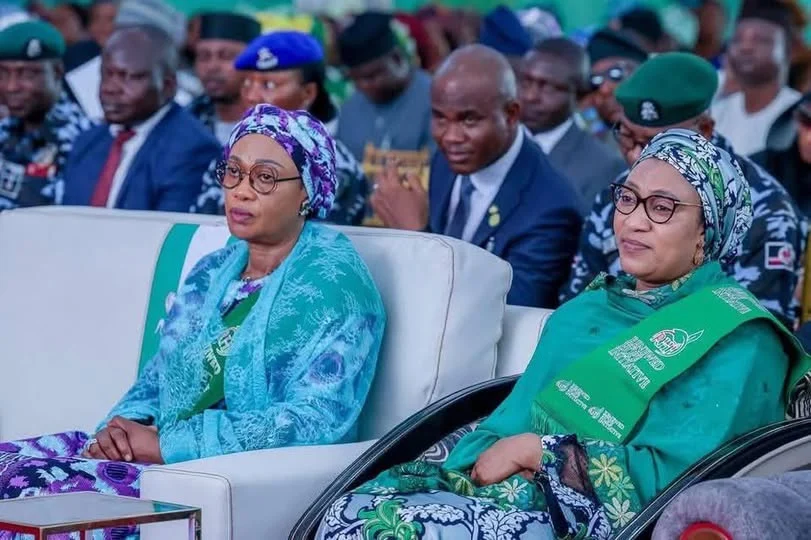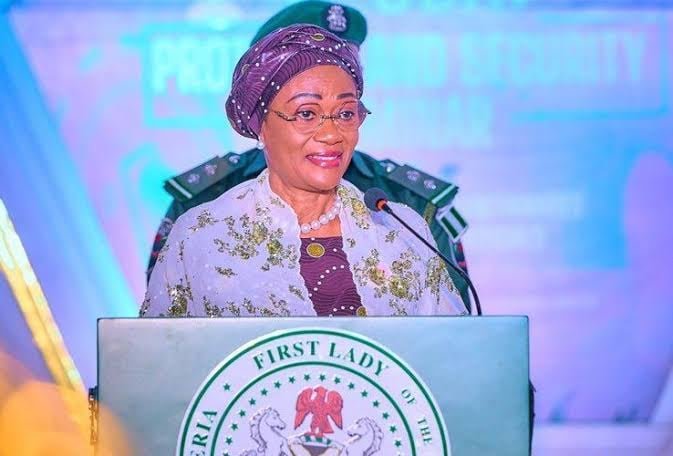
Nigeria’s First Lady, Senator Oluremi Tinubu, has called for greater investment in women’s golf and grassroots sports development, declaring the 2026 All Africa Challenge Trophy (AACT) open at the IBB International Golf and Country Club, Abuja, on Tuesday.
Her call places renewed attention on the need to strengthen opportunities for female athletes, develop young talents and build a more inclusive sporting environment across Nigeria and the African continent.
The championship provides an important platform for women golfers to demonstrate their abilities, compete at an international level and contribute to the growth of the sport. Beyond the competition itself, the First Lady’s remarks highlight the need for sustained investment in the structures that prepare athletes for such opportunities.
For Nigeria, developing women’s golf requires more than hosting tournaments. It involves identifying talent early, providing access to training facilities, supporting coaches and creating pathways through which young girls can progress from grassroots participation to professional competition.
Remi Tinubu Highlights the Need to Invest in Women’s Golf
The First Lady’s call for greater investment reflects the importance of creating opportunities for women to participate fully in sporting activities.
Although golf offers opportunities for competition, recreation, professional development and international representation, access to the sport can be limited by the cost of equipment, training and membership at established facilities.
These barriers can make it difficult for talented young people, particularly those from less privileged backgrounds, to discover and develop their abilities.
Greater investment in women’s golf can help address some of these challenges by expanding access to training, improving facilities and supporting initiatives that introduce more girls to the sport.
Such investment should also extend to coaching, mentorship and competitive opportunities, ensuring that emerging golfers receive the guidance needed to develop their skills.
The First Lady’s message therefore draws attention to a broader issue in Nigerian sports: the need to move beyond celebrating successful athletes and invest consistently in the systems that produce them.
2026 All Africa Challenge Trophy Opens in Abuja
The declaration of the 2026 All Africa Challenge Trophy open at the IBB International Golf and Country Club places Abuja at the centre of an important continental sporting event.
The tournament provides a competitive environment for women golfers and creates an opportunity to showcase the development of women’s golf across Africa.
Continental competitions such as the AACT are important because they give athletes opportunities to test their abilities against competitors from other countries. They also encourage sporting exchanges, strengthen relationships and provide visibility for disciplines that may not always receive the same attention as more widely followed sports.
For participating golfers, the championship represents an opportunity to demonstrate technical ability, discipline, consistency and competitive experience.
For the host country, it also provides an opportunity to promote golf and encourage greater interest in the sport among young people, particularly girls who may be considering sporting careers.
Hosting the competition in Abuja further places Nigeria within the wider conversation about the development and promotion of women’s golf on the continent.
Why Grassroots Development Matters
One of the most important aspects of the First Lady’s message is her emphasis on grassroots development.
Every successful sporting career begins with an opportunity to discover and develop talent. However, many promising athletes struggle to progress because they lack access to facilities, equipment, qualified coaches and organised competitions.
Grassroots development helps address this gap by creating opportunities for children and young people to participate in sports before they reach elite competitive levels.
In golf, this process requires introducing the game to schools and communities, making basic training accessible and identifying young players who demonstrate interest and potential.
It also requires sustained support for coaches and local sporting organisations, which play important roles in developing technical skills and encouraging participation.
For women and girls, grassroots programmes can be particularly valuable because they help challenge the perception that certain sports are inaccessible or reserved for a limited group of people.
Expanding participation can create a stronger talent pipeline while giving more young Nigerians opportunities to develop confidence, discipline and leadership skills through sport.
Women’s Sports as a Tool for Empowerment
Investment in women’s sports extends beyond medals, trophies and international recognition. It also contributes to personal development, economic participation and greater representation of women in different professional fields.
Female athletes can become role models for younger generations, demonstrating that dedication, training and perseverance can create opportunities in areas where women have historically faced barriers.
Sports can also create employment opportunities beyond professional competition. Coaching, sports administration, event management, fitness services, media and sports marketing all provide potential career pathways.
Golf, in particular, offers opportunities for professional development across several related industries. As participation grows, the sport can support a wider network of coaches, caddies, event organisers, facility managers and other professionals.
However, these opportunities require deliberate investment and policies that encourage women to participate at different levels of the sporting industry.
The First Lady’s call therefore connects the development of women’s golf with the broader objective of empowering women through education, opportunity and participation.
The Role of Institutions and the Private Sector
Sustaining the growth of women’s golf will require cooperation among government institutions, sports associations, golf clubs, schools and private sector partners.
Government can support grassroots sports through funding, policy development and access to public sporting facilities. Golf clubs can contribute by introducing development programmes, providing coaching opportunities and encouraging young players to participate.
Private sector organisations can also support the sport through sponsorships, scholarships, equipment donations and partnerships with youth development programmes.
Such collaboration can help reduce the financial barriers that prevent talented girls from accessing golf training.
Furthermore, partnerships can support competitions at different levels, giving emerging athletes the experience they need before entering major tournaments.
The success of grassroots development will ultimately depend on whether these efforts continue beyond individual championships and produce lasting opportunities for young golfers.
I’m Building a Stronger Future for African Women’s Golf
The 2026 All Africa Challenge Trophy provides an opportunity to celebrate women’s golfing talent while encouraging further investment in the sport’s future.
The First Lady’s remarks have brought attention to the importance of grassroots participation, improved access and sustained support for female athletes.
For Nigeria, the challenge is to translate these priorities into practical initiatives that reach schools, communities and aspiring golfers across the country.
Developing a strong women’s golf sector will require consistent funding, accessible training opportunities, capable coaching structures and competitive platforms that allow young athletes to progress.
Ultimately, the value of the championship should extend beyond the tournament itself. Its wider significance lies in the opportunities it can inspire and the attention it brings to the development of women’s sports.
As the 2026 All Africa Challenge Trophy gets underway in Abuja, the call for greater investment offers an important reminder that Africa’s sporting future depends not only on celebrating today’s champions but also on creating the conditions for the next generation to emerge.