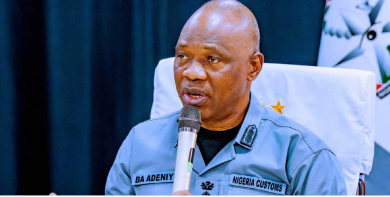
President Bola Ahmed Tinubu has approved a six-month tenure extension for the Comptroller-General of the Nigeria Customs Service, Adewale Adeniyi, reaffirming the administration’s commitment to sustaining ongoing reforms and strengthening the country’s customs administration.
The approval, granted on Friday, is expected to provide additional time for the consolidation of key initiatives aimed at improving revenue generation, modernising customs operations, enhancing trade facilitation, and strengthening border management across the country.
Furthermore, the extension reflects the Federal Government’s determination to maintain policy continuity while advancing reforms designed to improve operational efficiency and support Nigeria’s economic development objectives.
Focus on Reform and Institutional Stability
The tenure extension is expected to ensure continuity in the implementation of strategic programmes already underway within the Nigeria Customs Service.
These initiatives include the modernisation of customs procedures, digital transformation, enhanced border surveillance, anti-smuggling operations, and improved service delivery aimed at facilitating legitimate trade while protecting national economic interests.
Moreover, sustained leadership continuity provides an opportunity to consolidate institutional reforms and strengthen operational capacity in line with global best practices.
Strengthening Revenue Generation and Trade Facilitation
The Nigeria Customs Service plays a critical role in revenue collection, border security, and the regulation of international trade.
Continued reforms within the agency are expected to improve compliance, increase government revenue, simplify customs procedures, and promote a more efficient trading environment for businesses operating within Nigeria.
In addition, stronger customs administration contributes to economic growth by facilitating legitimate commerce while combating smuggling, illegal imports, and other forms of cross-border economic crime.
The administration believes that modern customs operations remain essential to Nigeria’s broader economic reform agenda.
Supporting Economic Growth Through Modern Customs Administration
President Tinubu’s economic agenda places significant emphasis on improving the efficiency of public institutions responsible for revenue generation and trade regulation.
The continued modernisation of customs operations through technology adoption, improved risk management systems, capacity building, and institutional reforms is expected to strengthen Nigeria’s competitiveness in regional and global trade.
Furthermore, enhanced customs efficiency supports industrial growth by facilitating smoother import and export processes while encouraging investment and expanding business opportunities.
Such reforms also contribute to greater transparency and accountability within public institutions.
Commitment to Policy Continuity
The six-month extension demonstrates the administration’s preference for maintaining continuity in strategic institutions where ongoing reforms require sustained leadership and implementation.
By allowing additional time for the completion of priority initiatives, the government aims to ensure that existing programmes achieve their intended objectives while strengthening institutional performance.
Moreover, continuity in leadership can provide stability during periods of reform and support effective coordination across government agencies involved in trade, finance, and border management.
Advancing National Development Through Institutional Reform
The extension of Comptroller-General Adewale Adeniyi tenure reflects the Federal Government’s broader commitment to strengthening public institutions and promoting reforms that support economic growth and national development.
As the Nigeria Customs Service continues implementing modernisation initiatives and revenue-enhancing measures, the administration expects improved operational efficiency to contribute to stronger public finances, enhanced trade facilitation, and more effective border security.
Through sustained reforms, institutional stability, and strategic leadership, the government aims to build a customs administration capable of supporting Nigeria’s long-term economic transformation while promoting transparency, competitiveness, and sustainable national prosperity.