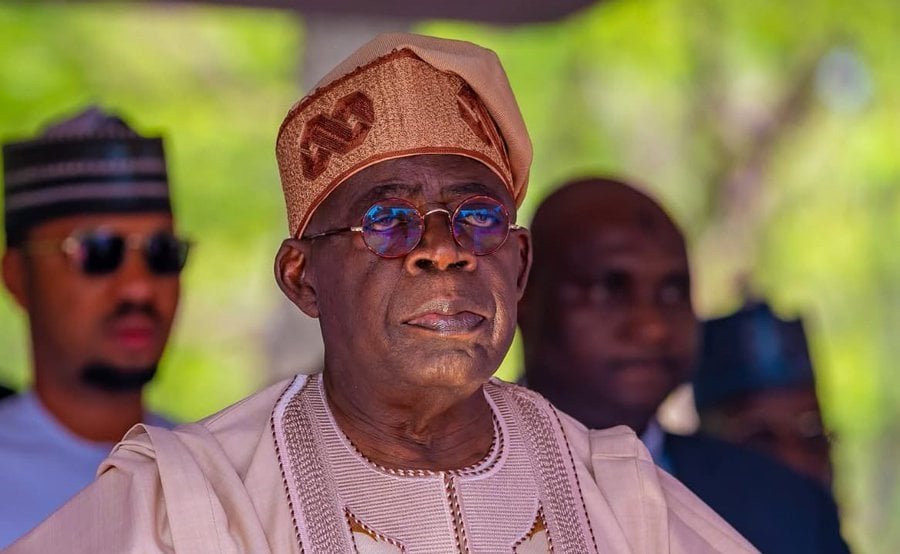
President Bola Ahmed Tinubu has reaffirmed his administration’s commitment to transforming Abuja into a model capital city through vigorous and well-planned urban development, emphasizing that the nation’s capital should reflect Nigeria’s aspirations for progress, excellence, and sustainable growth.
The President stated that strategic investments in infrastructure, city planning, and public services will continue to shape Abuja into a modern and globally competitive capital that meets the needs of residents, businesses, and visitors alike.
He stressed that effective urban planning remains essential for improving the quality of life, attracting investment, and supporting long-term national development.
Infrastructure at the Heart of the Vision
According to President Tinubu, infrastructure development remains central to the transformation agenda for the Federal Capital Territory.
He noted that the expansion of road networks, transportation systems, public utilities, housing projects, and other critical infrastructure will enhance connectivity and improve access to economic and social opportunities across the city.
Furthermore, modern infrastructure will strengthen Abuja’s position as a destination for investment, tourism, diplomacy, and international business while supporting the country’s broader economic objectives.
Promoting Sustainable Urban Growth
The President emphasized that urban development must be guided by proper planning, environmental sustainability, and efficient land use to ensure balanced growth for future generations.
He explained that orderly city expansion, improved public facilities, and better urban management are necessary to address the demands of a rapidly growing population while preserving the capital’s unique character and functionality.
Through coordinated planning and responsible development policies, the administration aims to create a cleaner, safer, and more organized city for all residents.
Improving the Quality of Life
President Tinubu observed that transforming Abuja goes beyond physical infrastructure and includes improving public services that directly impact citizens’ daily lives.
Better transportation systems, healthcare facilities, educational institutions, recreational spaces, and environmental management initiatives are expected to contribute to a more livable and inclusive capital city.
The administration believes that sustained investment in these sectors will encourage economic activity, create employment opportunities, and enhance the overall well-being of residents.
Attracting Investment and Economic Growth
The President also highlighted the economic benefits of a modern capital city, noting that well-planned urban development creates an enabling environment for local and international investors.
Improved infrastructure and efficient public services encourage business expansion, support real estate development, stimulate tourism, and strengthen commercial activities that contribute to national economic growth.
By positioning Abuja as a model capital, the government hopes to showcase Nigeria’s potential as a destination for investment and innovation.
Building the Capital of the Future
President Tinubu’s commitment to transforming Abuja reflects a broader vision of creating a capital city that embodies modern infrastructure, sustainable development, and efficient urban management.
As ongoing and future projects continue to reshape the Federal Capital Territory, the administration remains focused on delivering a city that reflects national pride while providing residents with improved opportunities and a higher quality of life.
The vision for Abuja is not only about physical transformation but also about building a dynamic, inclusive, and globally competitive capital that supports Nigeria’s long-term development aspirations and serves as a symbol of the nation’s progress.