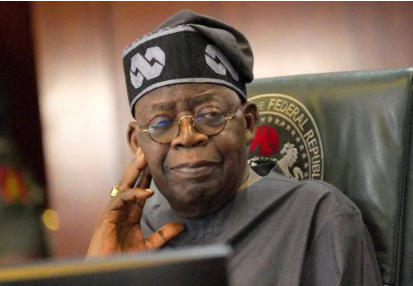
President Bola Ahmed Tinubu’s commitment to democratic governance is facing renewed scrutiny following reports that authorities disrupted five opposition gatherings within four months through bans, arrests and other restrictions.
The reported incidents have raised questions about the protection of political freedoms and the right of opposition groups to organise, assemble peacefully and communicate their positions to the public.
With Nigeria approaching the 2027 general elections, the handling of opposition activities has become an important test of the country’s democratic institutions. Political competition depends not only on the ability of parties to campaign but also on whether competing voices can operate without unlawful interference or intimidation.
The reported incidents have also renewed attention on the responsibility of government authorities and security agencies to maintain public order while respecting constitutionally protected rights.
Five Gatherings Under Scrutiny
The reported disruptions involved five opposition gatherings over a four-month period, with bans, arrests and restrictions cited as the methods used to prevent or interrupt political activities.
Each incident requires examination on its own facts, including the authority responsible, the legal basis for the action, the circumstances surrounding any arrests and whether organisers were given an opportunity to challenge the restrictions.
Authorities may impose lawful, proportionate measures where credible security risks exist or where public gatherings create genuine safety concerns. However, such measures should not be used to suppress political competition or prevent peaceful criticism of government.
The distinction is central to democratic governance. Restrictions imposed for legitimate public-safety reasons must be supported by evidence and applied consistently, regardless of the political affiliation of those organising an event.
Where gatherings are disrupted without a clear legal justification, concerns may arise about selective enforcement and the narrowing of civic space.
Constitutional Rights and Political Participation
Nigeria’s Constitution protects freedom of expression, peaceful assembly and association. These rights allow citizens to express political opinions, join organisations and participate in public affairs.
Political gatherings are one way opposition parties engage supporters, explain policy positions and challenge the decisions of those in power. They also provide opportunities for citizens to hear competing arguments before making political choices.
The right to peaceful assembly is not unlimited, and authorities retain responsibilities for public safety. Nevertheless, restrictions must be consistent with applicable law and constitutional protections.
Arrests connected with political gatherings also require scrutiny. The relevant questions include whether there were reasonable grounds for arrest, whether due process was followed and whether those detained had timely access to legal remedies.
A democratic system depends on these safeguards being applied impartially. Neither government supporters nor opposition members should be above the law, and neither should be denied its protection because of political affiliation.
The Challenge of Balancing Security and Democracy
Security agencies and public authorities have a responsibility to prevent violence, protect lives and property, and maintain order during politically sensitive periods.
However, the existence of political tension does not automatically justify banning a gathering or arresting participants. Authorities must distinguish between peaceful political activity and conduct that presents a genuine, demonstrable threat.
Where security concerns are cited, clear explanations can help establish whether restrictions were necessary and proportionate. Where allegations of unlawful conduct are made, independent investigations and judicial oversight can help establish the facts.
This approach is especially important before elections, when distrust between political actors can intensify and incidents involving security agencies may quickly become subjects of political controversy.
Transparent procedures can help prevent legitimate security operations from being perceived as partisan interference.
Implications for the 2027 Elections
The reported disruptions come as political parties and civic groups prepare for the 2027 elections. The period before an election is critical because parties need opportunities to organise, recruit supporters, communicate their platforms and engage voters.
If opposition groups face unjustified barriers to peaceful political activity, the public may question whether all parties have a fair opportunity to participate.
Such concerns can also affect confidence in electoral institutions and the broader democratic process. Credible elections require more than the technical administration of voting; they also depend on an environment in which political competition can take place freely and safely.
At the same time, claims of political suppression should be assessed against verified records of each incident, including official explanations, court decisions where applicable and accounts from organisers and witnesses.
Establishing what happened is essential to distinguishing unlawful interference from legitimate measures taken to protect public safety.
Accountability and the Government’s Democratic Commitments
The controversy places renewed emphasis on the relationship between the government’s stated democratic commitments and the conduct of institutions responsible for enforcing the law.
Public assurances of support for democracy carry greater weight when citizens can see that constitutional rights are protected in practice, including when those exercising them are critical of the government.
Authorities can strengthen public confidence by publishing clear reasons for restrictions, ensuring arrests are supported by lawful grounds, investigating allegations of excessive force and providing effective avenues for redress.
Political parties also have a responsibility to organise peaceful events, comply with applicable legal requirements and discourage violence among their supporters.
These obligations are complementary rather than competing. Protecting public safety and safeguarding political freedoms should be treated as connected responsibilities within a constitutional democracy.
Protecting Political Space Ahead of the Polls
The reported disruption of five opposition gatherings in four months raises questions that deserve clear answers from the relevant authorities. The circumstances of each incident, the legal justification for any restrictions and the treatment of those arrested should be established through credible evidence.
As Nigeria moves towards the 2027 elections, maintaining an open political environment will require restraint from political actors, impartial conduct by security agencies and accountability where rights have been violated.
Ultimately, democratic commitments are assessed not only through speeches and official declarations but also through how institutions treat citizens who disagree with those in power.
Ensuring that opposition parties can organise peacefully, that security measures are lawful and proportionate, and that allegations of misconduct receive impartial scrutiny will be important to public confidence in Nigeria’s democratic process.