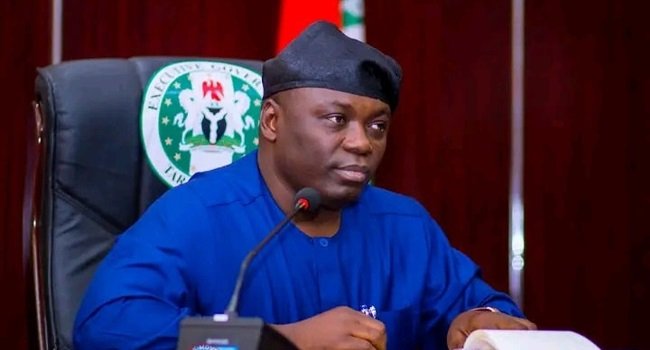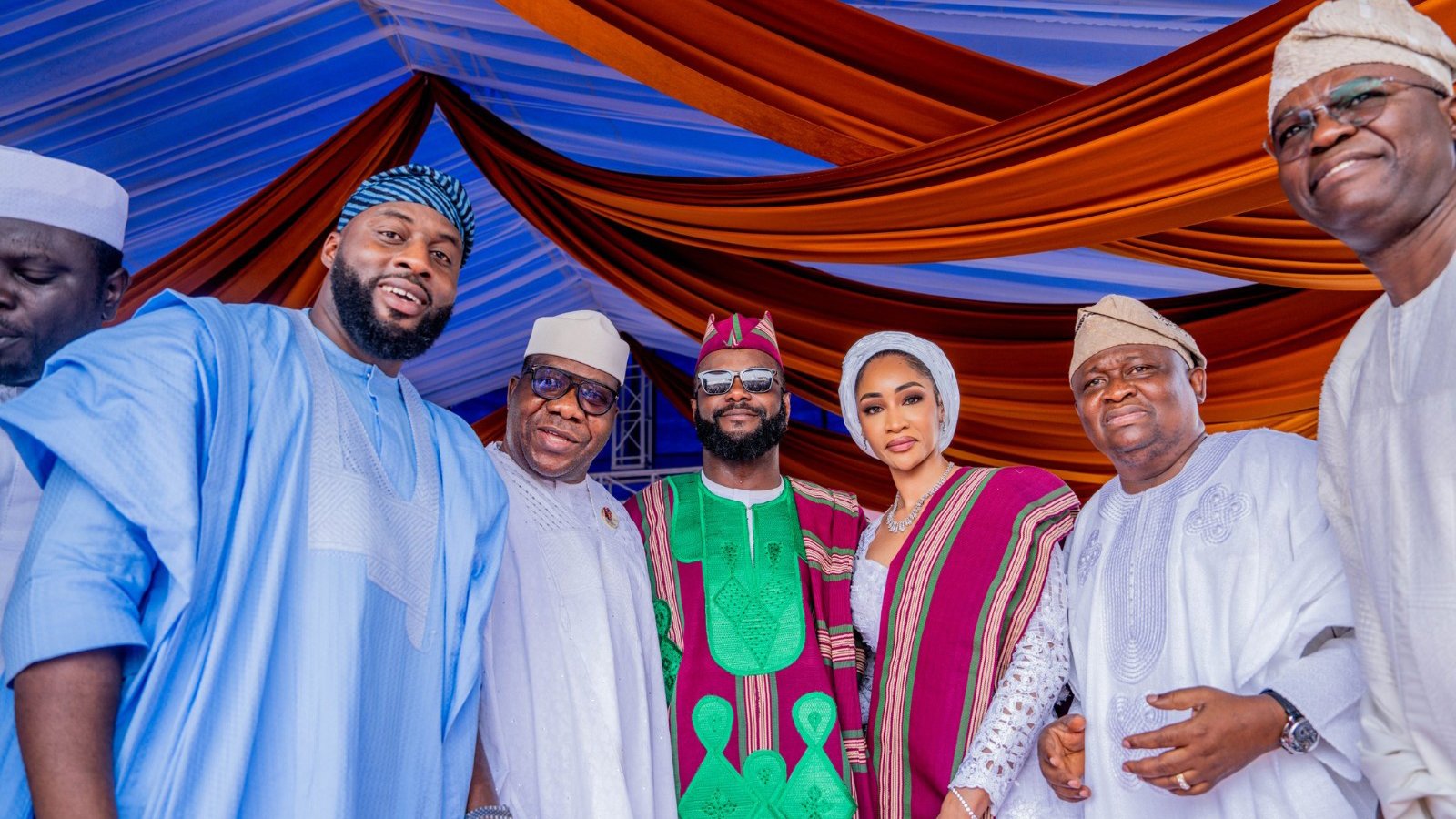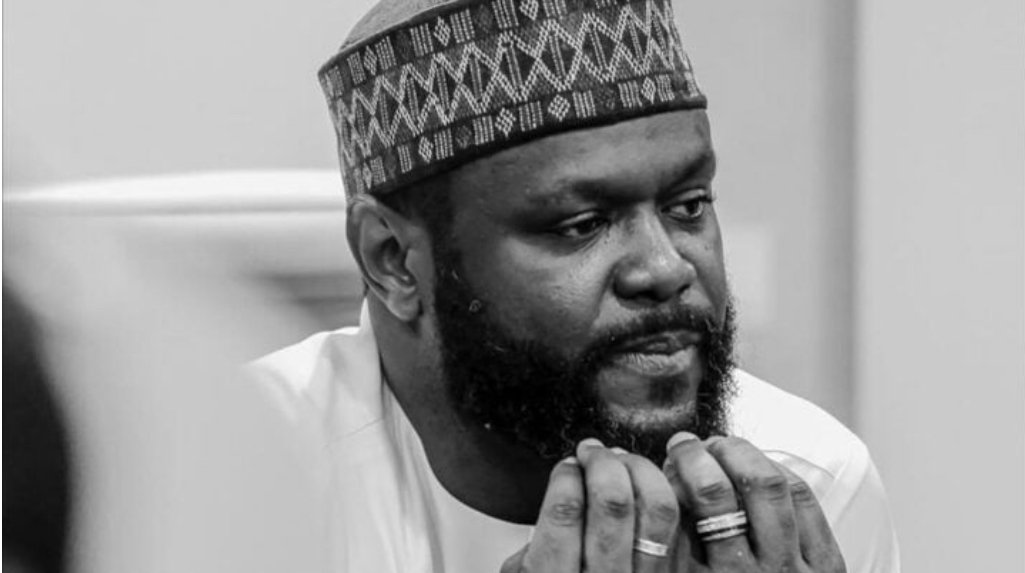
The City Boy Movement has denied claims that Seyi Tinubu, son of President Bola Ahmed Tinubu, stated that “God cannot stop” his father from serving eight years as president.
According to the group, the statement being circulated in some quarters was false and did not originate from Seyi Tinubu. Therefore, the movement urged the public to disregard what it described as misinformation aimed at creating unnecessary controversy.
Why the Denial Matters
Public figures often face misinformation online.
In the digital era, political personalities and influential individuals frequently become subjects of viral claims, manipulated quotes, and misleading narratives. Therefore, public clarifications and denials have become increasingly important in protecting reputations and ensuring accurate information circulation.
False statements can also intensify political tensions and public misunderstanding.
The Growing Challenge of Political Misinformation
Social media has accelerated information sharing.
While digital platforms improve communication and public engagement, they also enable the rapid spread of unverified claims. Therefore, political organisations and public figures increasingly respond quickly to misinformation to prevent confusion.
Fact-checking and responsible communication remain essential in democratic societies.
Seyi Tinubu’s Growing Public Visibility
Seyi Tinubu continues attracting public attention.
As the son of President Bola Ahmed Tinubu, he remains a visible figure within political and youth engagement circles. Therefore, statements attributed to him often generate significant public interest and online discussion.
Public visibility also increases scrutiny and media attention.
The Role of Support Groups in Political Communication
Political groups often defend public narratives.
Support organisations like the City Boy Movement frequently respond to controversies, clarify public issues, and mobilise political engagement. Therefore, the group’s denial reflects broader efforts to manage public perception and political communication.
Strategic messaging remains important in modern politics.
Political Tensions Ahead of 2027
Political discussions are already intensifying.
As conversations surrounding the 2027 general elections continue expanding across Nigeria, political narratives and public commentary are increasingly attracting national attention. Therefore, misinformation and politically charged statements may become more common.
Responsible political communication remains critical for stability.
The Importance of Verifying Information
Citizens are encouraged to confirm sources.
Experts continue urging the public to verify political statements before sharing them online. Therefore, media literacy and responsible social media usage remain essential in reducing the spread of false information.
Accurate reporting also strengthens democratic discourse and public trust.
The Impact of Digital Narratives on Politics
Online narratives influence public perception.
Viral statements, whether true or false, can shape political conversations and public attitudes rapidly. Therefore, political stakeholders increasingly monitor digital spaces closely to address misinformation and maintain credibility.
Public trust depends heavily on transparency and factual communication.
Looking Ahead
Political communication will remain highly sensitive.
As Nigeria moves closer to another election cycle, political organisations, public figures, and support groups are expected to intensify communication efforts. Therefore, fact-checking and strategic messaging will continue playing major roles within the political environment.
Citizens will also continue demanding accountability and accuracy.
Conclusion: Accuracy Remains Essential in Political Discourse
The denial by the City Boy Movement regarding the statement attributed to Seyi Tinubu highlights the growing importance of accuracy and responsible communication in Nigeria’s political landscape.
As public conversations around leadership and the 2027 elections continue growing, misinformation remains a significant challenge requiring vigilance from both the media and the public.
Ultimately, credible information and responsible public discourse remain essential for strengthening democracy and maintaining public trust in Nigeria.