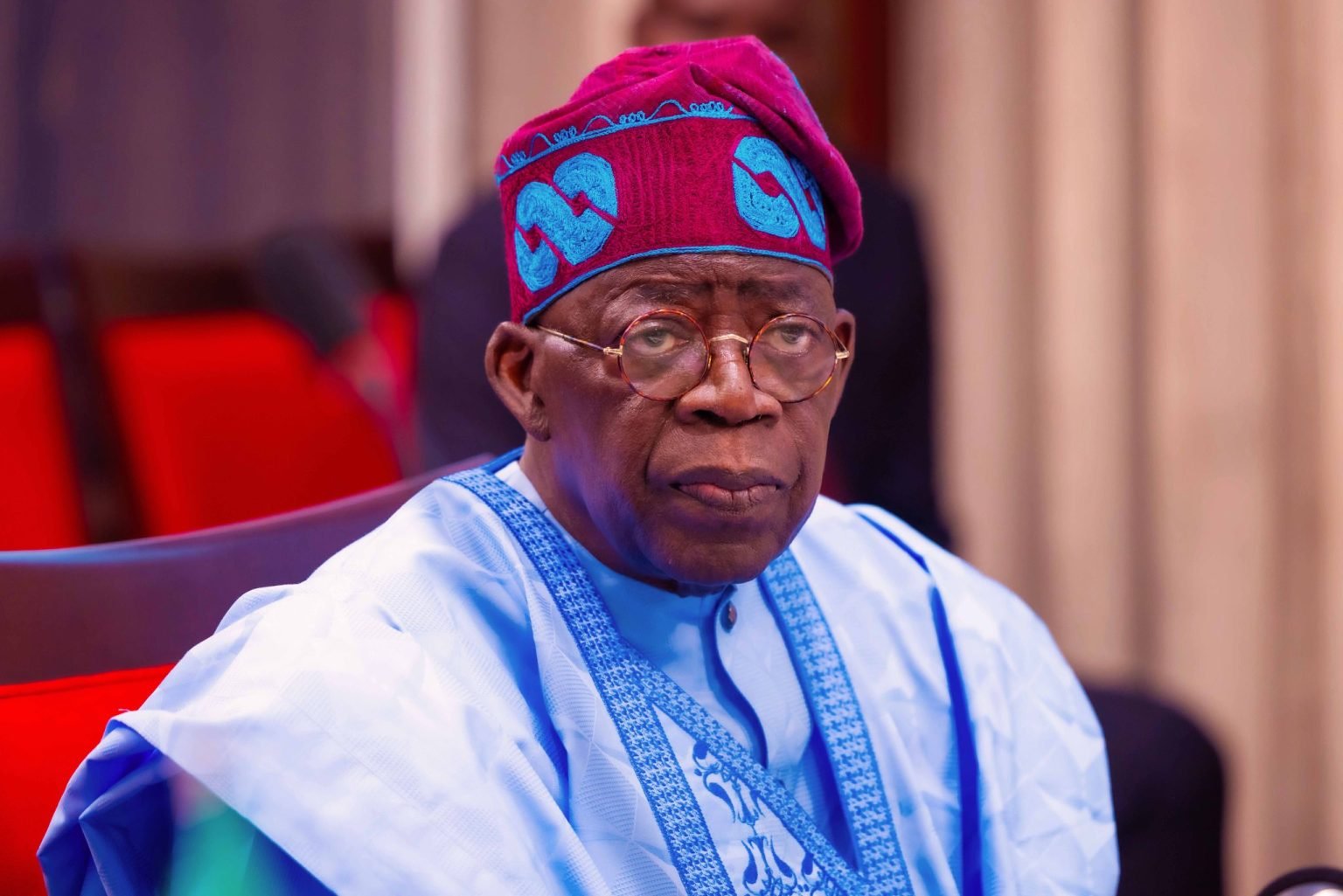
The diplomatic community in Nigeria has thrown its weight behind President Bola Ahmed Tinubu’s “Renewed Hope Agenda,” describing it as a strategic blueprint for addressing the country’s economic and security challenges.
The endorsement reflects growing international interest in Nigeria’s reform efforts and governance direction under the current administration. Therefore, the support from members of the diplomatic community highlights the importance of global partnerships in strengthening national development and economic recovery.
Why the Renewed Hope Agenda Matters
National reform strategies shape economic direction.
The “Renewed Hope Agenda” represents the administration’s broader policy framework aimed at improving economic stability, infrastructure development, investment growth, and national security. Therefore, international recognition of the initiative may strengthen confidence among investors and development partners.
Policy consistency also remains important for long-term planning.
Diplomatic Support and International Confidence
Global partnerships influence national development.
Diplomatic communities often monitor economic reforms, governance structures, and security conditions within countries where they maintain strategic relationships. Therefore, public support from foreign diplomats may signal confidence in Nigeria’s policy direction and institutional reforms.
International cooperation also supports trade, investment, and security collaboration.
Addressing Economic Challenges
Economic recovery remains a national priority.
Nigeria continues confronting inflation, unemployment, infrastructure gaps, and fiscal pressures. Therefore, reforms under the administration are aimed at stabilising the economy and creating conditions for sustainable growth.
Economic transformation also requires long-term commitment and institutional efficiency.
Security as a Foundation for Development
Security remains critical to national progress.
Economic growth, investment, and social stability depend heavily on secure environments. Therefore, efforts to strengthen security frameworks remain central to the administration’s development strategy.
Improved security also enhances investor confidence and community stability.
The Role of the Diplomatic Community
Diplomatic relations strengthen cooperation.
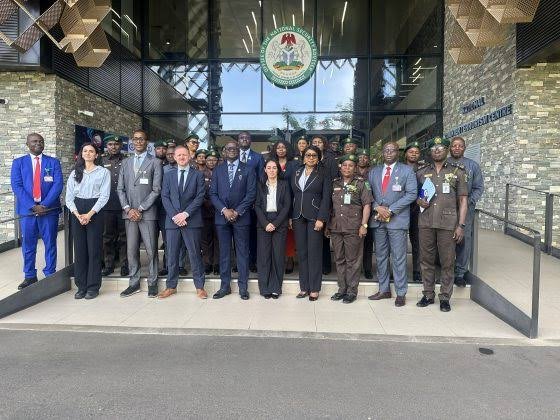
Foreign missions and international partners often contribute through technical support, investment partnerships, development programmes, and policy engagement. Therefore, diplomatic backing may further strengthen collaboration between Nigeria and international stakeholders.
Strong diplomatic ties also improve global engagement opportunities.
The Importance of Strategic Reforms
Long-term reforms often require patience.
Structural economic and governance reforms may involve difficult decisions before visible improvements emerge. Therefore, governments frequently rely on both domestic and international support during periods of transition and policy adjustment.
Sustainable development depends on consistent implementation.
Nigeria’s Position in Africa
Nigeria remains strategically important globally.
As one of Africa’s largest economies and most populous nations, developments in Nigeria attract significant international attention. Therefore, successful reforms may influence broader regional economic and political dynamics.
The country’s stability also affects continental trade and security cooperation.
Looking Ahead
International engagement is expected to deepen.
As reforms continue, diplomatic missions, investors, and global institutions will likely maintain close attention on Nigeria’s economic and security trajectory. Therefore, continued collaboration may support national development goals and institutional strengthening.
Public expectations regarding measurable progress will also remain high.
Conclusion: International Backing for Nigeria’s Reform Agenda
The endorsement of President Bola Ahmed Tinubu’s “Renewed Hope Agenda” by the diplomatic community reflects growing international support for Nigeria’s reform efforts and governance strategy.
By describing the initiative as a blueprint for addressing economic and security challenges, diplomats highlighted the importance of strategic planning and sustained reforms.
Ultimately, strong leadership, international cooperation, and effective implementation will remain essential for achieving long-term stability and sustainable development in Nigeria.