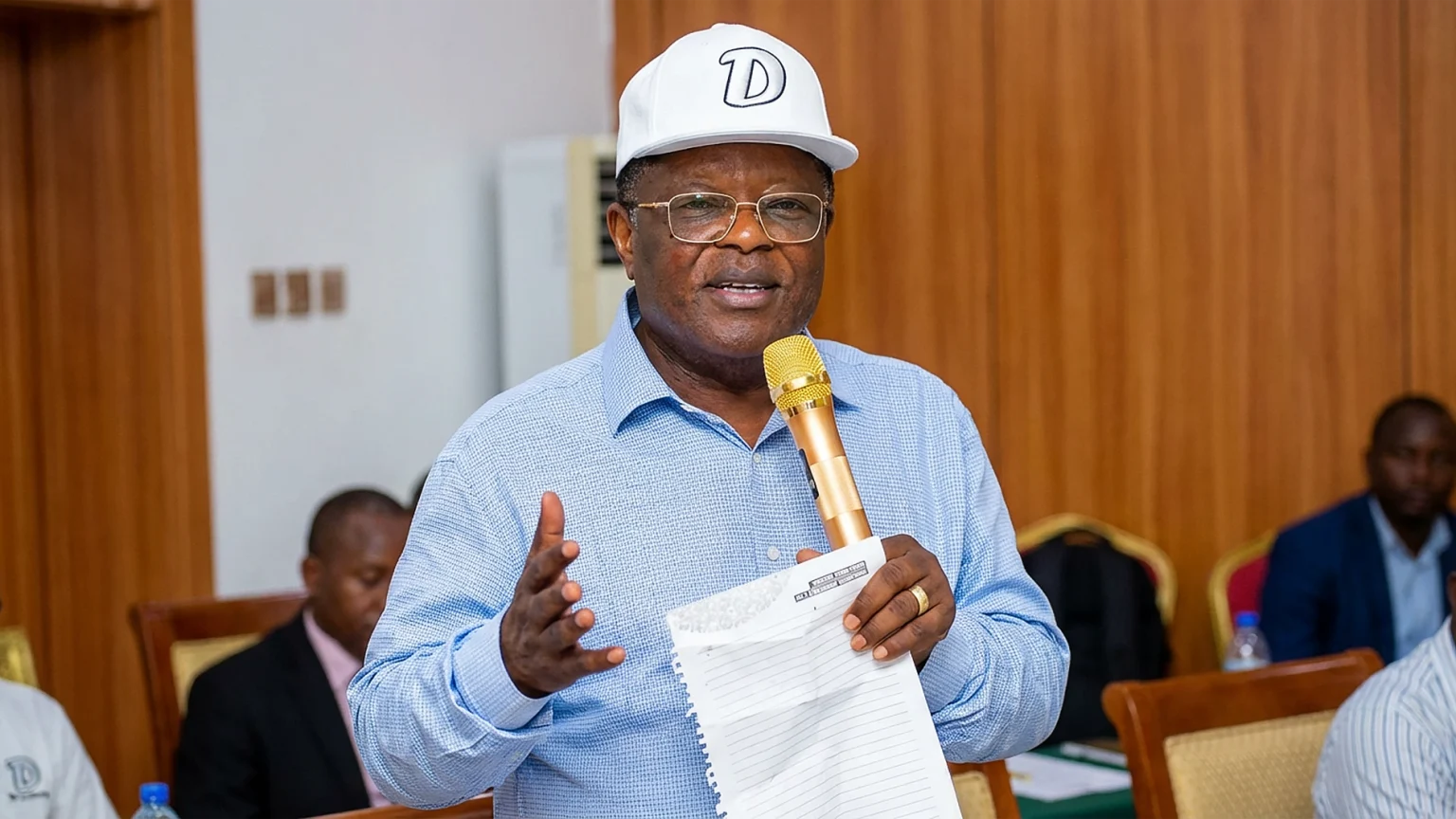
The Minister of Works, David Umahi, has issued a 72-hour ultimatum to contractors handling sections of the Abuja–Lokoja Highway rehabilitation project, directing them to fully mobilise to their respective project sites or face severe sanctions.
The minister warned that contractors who fail to comply with the directive could face penalties, including possible prosecution by anti-graft agencies and law enforcement authorities for failing to meet their contractual obligations.
The move underscores the Federal Government’s determination to accelerate the completion of critical road infrastructure projects across the country.
Focus on Timely Project Delivery
According to the minister, the Abuja–Lokoja Highway remains one of Nigeria’s most strategic transportation corridors, linking the Federal Capital Territory with several states in the North Central and Southern regions.
He stressed that delays in completing the rehabilitation project have caused significant hardship for motorists, increased travel time, and affected the smooth movement of goods and services.
For that reason, the government is insisting that contractors demonstrate seriousness by deploying personnel, equipment, and construction materials to their project locations without further delay.
Warning Against Contractual Breaches
David Umahi made it clear that the Federal Ministry of Works will no longer tolerate unnecessary delays or poor project execution.
He stated that contractors who fail to mobilise within the stipulated 72-hour period risk contractual sanctions and possible referral to anti-corruption and law enforcement agencies for further investigation where necessary.
The minister emphasized that government funds allocated for infrastructure projects must translate into visible progress on the ground and deliver value for public resources.
Infrastructure Remains a National Priority
The Federal Government has consistently identified road infrastructure as a key driver of economic growth, regional integration, and national development.
Modern highways improve connectivity, facilitate trade, reduce transportation costs, and support businesses by enabling the efficient movement of people and goods across the country.
The rehabilitation of the Abuja–Lokoja Highway is expected to enhance safety, reduce congestion, and improve travel experiences for thousands of commuters who use the route daily.
Commitment to Accountability
Umahi reaffirmed the government’s commitment to ensuring transparency, accountability, and efficiency in the execution of public infrastructure projects.
He noted that contractors awarded government projects must fulfill their responsibilities within agreed timelines while maintaining the required standards of quality and professionalism.
The minister also assured Nigerians that the administration will continue to monitor ongoing projects closely to ensure that taxpayers receive the full benefits of public investments.
A Push for Faster Infrastructure Development
The 72-hour ultimatum signals a stronger commitment by the Federal Government to enforce contractual obligations and accelerate the completion of critical infrastructure nationwide.
By demanding immediate mobilisation and warning against further delays, the Ministry of Works aims to ensure that the Abuja–Lokoja Highway rehabilitation project progresses according to schedule and contributes to improved transportation, economic productivity, and national development.
The directive also reinforces the administration’s broader agenda of delivering modern infrastructure that supports growth, enhances connectivity, and improves the lives of Nigerians.