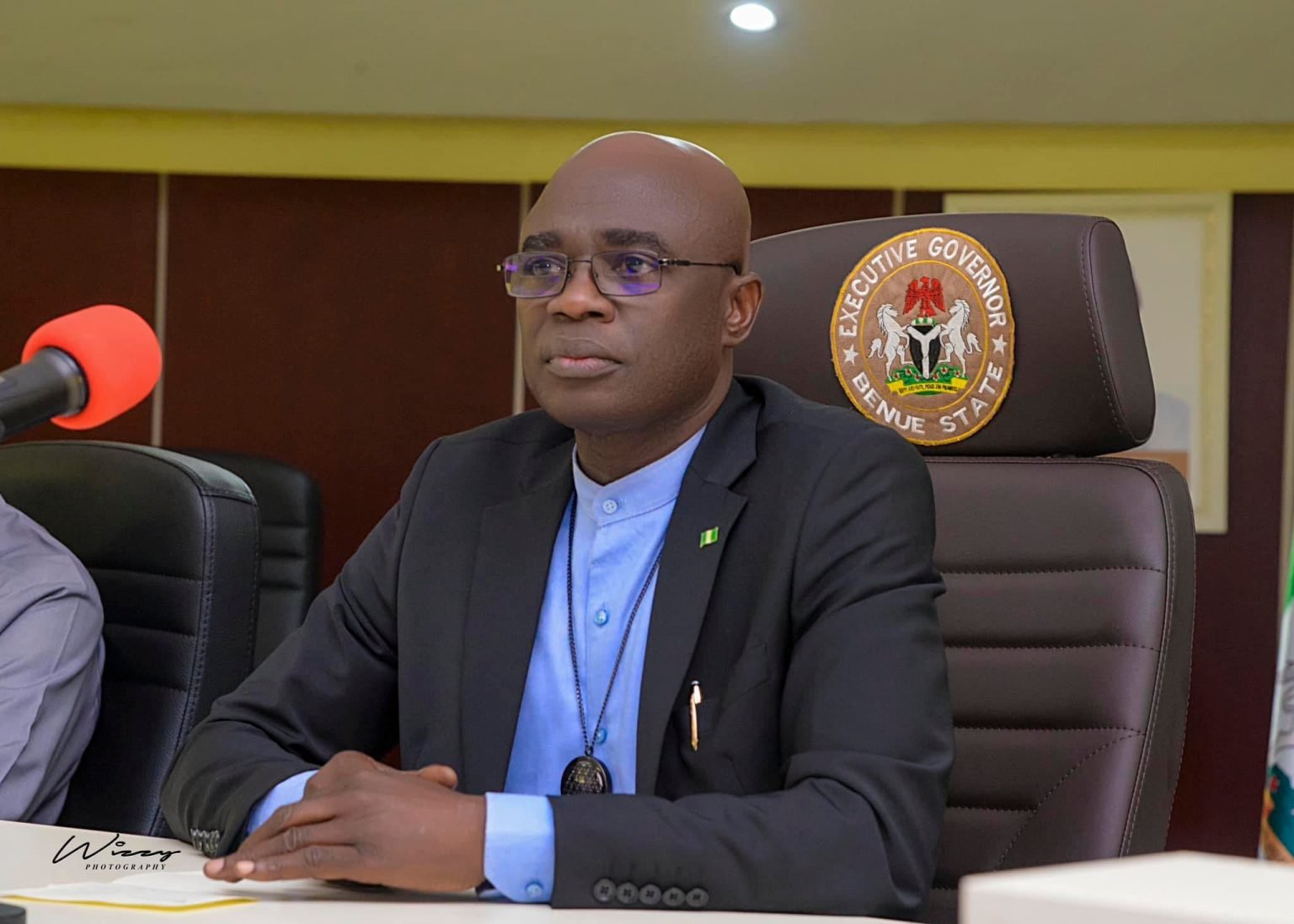
In Nigerian politics, public attention often focuses on elections, appointments, and political influence. However, every generation produces a few leaders whose greatest contributions extend far beyond the positions they occupy. Hon. James Abiodun Faleke belongs to that distinguished category of public servants whose enduring legacy continues to grow through the lives he has impacted rather than the titles he has held.
Throughout his years in public service, Faleke has consistently demonstrated that meaningful leadership goes beyond political office. Instead, he has invested time, energy, and resources into developing people, encouraging young leaders, supporting professionals, empowering communities, and creating opportunities capable of transforming lives.
Furthermore, many political observers believe that his commitment to human capital development has become one of the defining characteristics of his leadership journey. Rather than measuring success solely through political victories, he has continued placing significant emphasis on helping others achieve success.
Leadership becomes more meaningful when it creates new leaders.
Leadership Beyond Political Positions
Public office often provides opportunities to influence national development.
Furthermore, exceptional leaders recognise that true leadership continues long after official responsibilities end because the greatest investment any leader can make remains investment in people.
Hon. James Faleke has consistently embraced this philosophy.
Instead of focusing exclusively on political advancement, he has maintained a reputation for supporting individuals with the capacity to contribute meaningfully to society.
People remain every nation’s greatest resource.
His approach reflects the understanding that sustainable development depends more on empowered citizens than on powerful institutions alone.
Building Future Leaders
One of the strongest indicators of impactful leadership involves the ability to prepare future generations.
Furthermore, leaders who intentionally mentor others ensure that progress continues even after they leave public office.
Hon. Faleke has earned recognition for encouraging emerging leaders across different sectors.
Many young professionals and political associates have benefited from his guidance, encouragement, and support throughout their careers.
Mentorship creates lasting impact.
Rather than viewing younger generations as competitors, he has consistently encouraged them to develop their skills and pursue excellence.
Human Capital as a Lasting Legacy
Infrastructure projects eventually require maintenance.
Policies may evolve over time.
Political administrations naturally change.
However, investments made in human beings often produce benefits that last for generations.
Furthermore, empowering individuals creates ripple effects that extend into families, businesses, institutions, and communities.
Human capital multiplies development.
Hon. Faleke’s leadership style demonstrates a clear appreciation for this principle by consistently encouraging education, professional growth, leadership development, and community participation.
His influence therefore reaches far beyond political activities alone.
Service Before Recognition
Many respected public leaders earn admiration because they prioritise service above personal recognition.
Furthermore, genuine public service requires consistency, accessibility, humility, and commitment regardless of changing political circumstances.
Observers frequently associate these qualities with Hon. James Faleke.
Leadership begins with service.
His public engagements have consistently reflected a willingness to support initiatives capable of improving lives while encouraging collaboration among diverse stakeholders.
Such an approach strengthens public confidence while inspiring broader participation in governance.
Empowering Communities
Strong communities develop when leaders create opportunities for citizens rather than dependence.
Furthermore, community empowerment involves expanding access to education, entrepreneurship, skills development, employment opportunities, and civic participation.
Empowered communities become more resilient.
Faleke’s public service philosophy has consistently reflected the importance of strengthening people at the grassroots level while encouraging self-reliance and sustainable development.
When individuals succeed, communities also prosper.
The Importance of Accessible Leadership
Accessibility remains one of the most valuable qualities in democratic leadership.
Furthermore, citizens naturally develop greater confidence in leaders who remain approachable, responsive, and attentive to community concerns.
Leadership requires connection.
Building strong relationships with constituents encourages trust while creating better opportunities for constructive dialogue and problem-solving.
Public officials who maintain close connections with citizens often understand community needs more effectively.
This principle continues shaping respected democratic leadership worldwide.
Inspiring a New Generation
Nigeria possesses one of the youngest populations globally.
Furthermore, the country’s future depends significantly upon how effectively current leaders prepare younger generations for leadership responsibilities.
Role models influence aspirations.
Young people frequently draw inspiration from leaders whose careers demonstrate integrity, resilience, discipline, and commitment to public service.
By emphasising mentorship and personal development, experienced leaders contribute significantly to national continuity and institutional stability.
The greatest leaders often measure success by the number of successful people they inspire.
Leadership That Outlives Office
History consistently remembers leaders whose influence extends beyond official tenure.
Furthermore, political positions naturally change, but character, mentorship, and positive contributions often remain permanent sources of inspiration.
Legacies endure through people.
A leader who develops capable individuals leaves behind an impact that continues expanding long after leaving office.
Such influence cannot easily be measured through election results or political appointments alone.
Instead, it becomes visible through the achievements of those who received encouragement, guidance, and opportunities.
A Legacy Built on People
Hon. James Abiodun Faleke’s public journey continues illustrating an important lesson about leadership. Furthermore, the most enduring legacy often emerges not from political authority itself but from the lives transformed through purposeful service, mentorship, and human development.
As Nigeria continues requiring leaders capable of strengthening institutions while empowering citizens, Faleke’s emphasis on building people offers a valuable example of leadership centred on long-term national progress rather than short-term political gains.
Ultimately, offices change hands, administrations come and go, and political seasons eventually pass. However, the individuals who receive encouragement, education, mentorship, opportunity, and inspiration continue carrying those investments throughout their lives. For that reason, many believe Hon. James Abiodun Faleke’s greatest legacy may indeed be found not in the offices he has occupied, but in the countless people he has helped prepare to lead, serve, innovate, and contribute meaningfully to Nigeria’s continuing development.