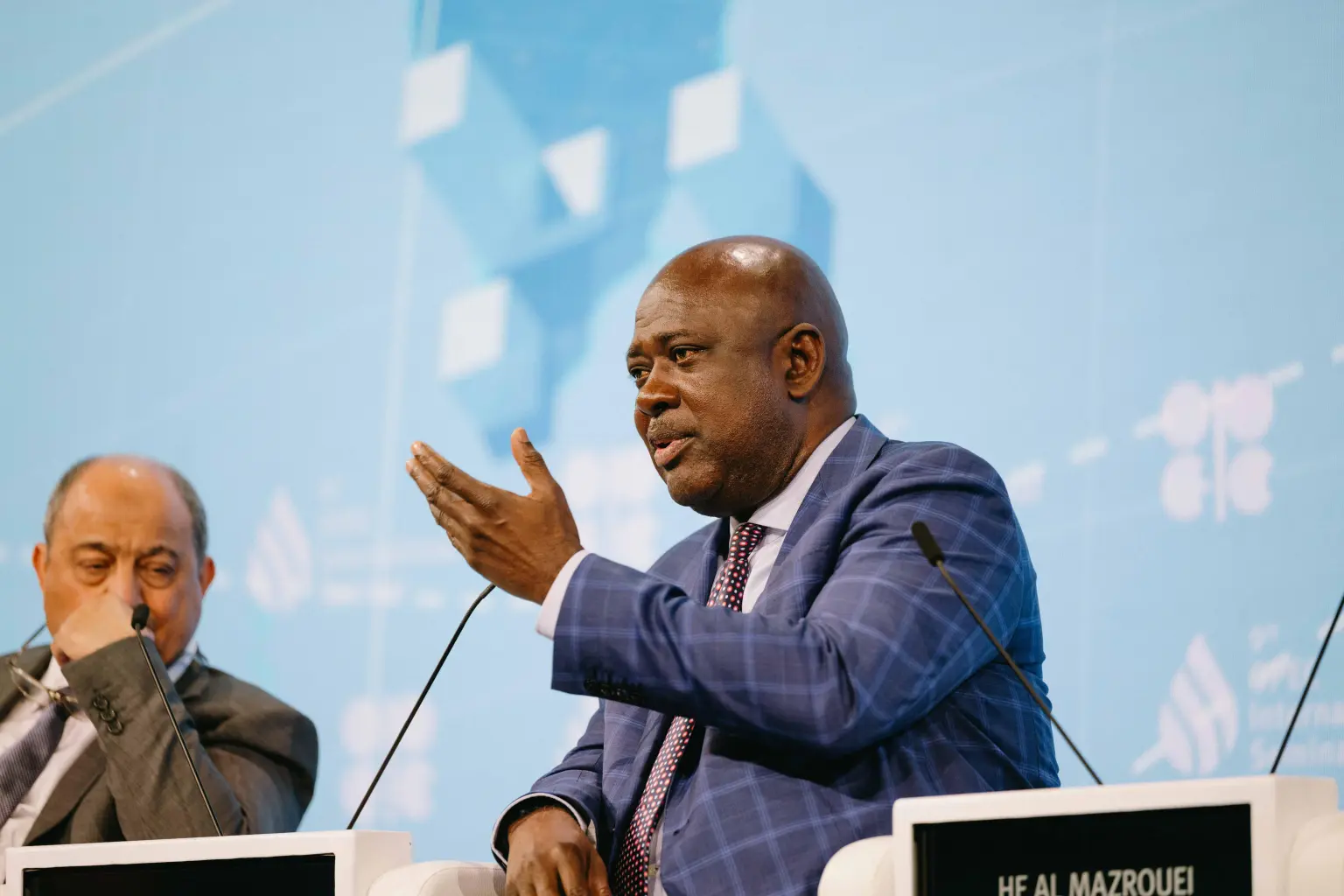
The Minister of State for Petroleum Resources (Oil), Heineken Lokpobiri, has said that ongoing reforms and strategic policy implementation in Nigeria’s petroleum sector are driving significant investments and strengthening the country’s position as one of Africa’s leading energy destinations.
He explained that the Federal Government’s reform agenda has created a more attractive environment for investors by promoting transparency, regulatory certainty, and operational efficiency across the oil and gas industry.
Furthermore, he noted that the renewed confidence in the sector is expected to stimulate economic growth, increase production capacity, and generate new employment opportunities for Nigerians.
Reforms Boost Investor Confidence
Lokpobiri emphasized that recent policy initiatives have improved the investment climate by encouraging both local and international energy companies to expand their activities in Nigeria.
According to the minister, consistent implementation of reforms has enhanced the competitiveness of the petroleum industry while positioning the country to attract long-term capital for exploration, production, refining, and gas development projects.
He added that these investments will play an important role in supporting the nation’s economic diversification and energy security objectives.
Strengthening Nigeria’s Position in Africa
The minister observed that Nigeria possesses enormous hydrocarbon resources capable of driving industrial growth and regional energy leadership when effectively harnessed.
He stated that the government is committed to creating policies that encourage responsible resource development while ensuring that the sector contributes meaningfully to national prosperity.
Moreover, ongoing reforms are expected to enhance Nigeria’s competitiveness within the African energy market and strengthen its role as a preferred destination for petroleum investments.
Supporting Economic Growth and Job Creation
Lokpobiri noted that increased investment in the oil and gas sector will have positive effects across the broader economy by stimulating industrial activities, expanding infrastructure, and creating employment opportunities.
He explained that improved investment flows will encourage technology transfer, strengthen local content participation, and increase opportunities for indigenous businesses operating within the energy value chain.
Consequently, the petroleum sector will continue to serve as a major driver of revenue generation and economic development.
Commitment to Sustainable Energy Development
The minister reaffirmed the Federal Government’s commitment to implementing policies that promote sustainable growth, operational excellence, and investor confidence in the petroleum industry.
He stressed that collaboration between government institutions and private sector stakeholders remains essential for unlocking the full potential of Nigeria’s energy resources while ensuring long-term benefits for citizens.
In addition, he expressed optimism that continued reforms would strengthen the resilience and global competitiveness of the country’s oil and gas industry.
Building a Stronger Energy Future
Lokpobiri’s remarks underscore the Federal Government’s determination to transform Nigeria’s petroleum sector through strategic reforms and investment-friendly policies.
As new investments continue to flow into the industry, the country is expected to strengthen its position as a leading African energy destination while creating opportunities for economic growth, industrial expansion, and sustainable national development.