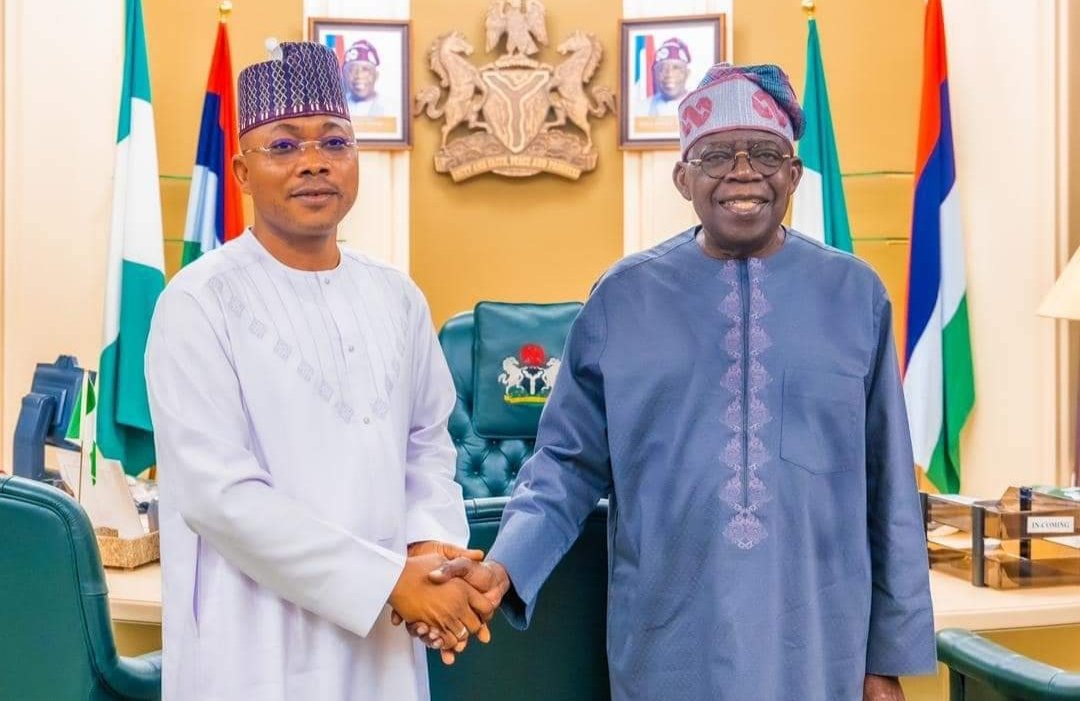
A recent media tour organised by the Renewed Hope Ambassadors across Kogi State’s three senatorial districts has revealed widespread commendation for the infrastructure investments and people-oriented programmes being implemented under the administrations of President Bola Ahmed Tinubu and Governor Usman Ododo, with many residents expressing optimism about the pace of development and pledging continued political support ahead of the 2027 general election.
The assessment followed visits by journalists to several completed and ongoing projects spread across different parts of the state, where community leaders, market associations, youth groups, traditional rulers, farmers, business owners, and ordinary residents shared their views on recent government interventions.
Furthermore, participants highlighted improvements in road infrastructure, healthcare facilities, education, security support, agricultural initiatives, and other developmental projects, describing them as investments capable of improving livelihoods while stimulating long-term economic growth.
Supporters of both administrations argued that visible development projects have strengthened public confidence, particularly in communities that had previously experienced infrastructure deficits and limited government presence.
The media engagement formed part of broader efforts by the Renewed Hope Ambassadors to showcase development projects and encourage informed public conversations regarding governance and national development.
Journalists Tour Projects Across Kogi
The media delegation visited projects located across Kogi’s three senatorial districts.
Furthermore, the tour provided journalists with opportunities to inspect completed infrastructure and interact directly with community members benefiting from ongoing government initiatives.
Field assessment provides perspective.
Participants observed developments across multiple sectors during the tour.
Projects demonstrate progress.
Road Infrastructure Receives Strong Attention
Road construction emerged as one of the most frequently discussed achievements.
Furthermore, residents explained that improved highways have reduced travel time, strengthened commercial activities, and improved access between communities.
Roads support development.
Reliable transportation also encourages investment while supporting agriculture and local businesses.
Connectivity creates opportunity.
Communities Highlight People-Centred Programmes
Many residents also commended programmes directly targeting community welfare.
Furthermore, interventions in healthcare, education, youth development, agriculture, and social services received positive feedback during interactions with journalists.
Development reaches people.
Community-focused programmes improve daily living conditions while supporting inclusive growth.
People remain the priority.
Economic Activities Receive Boost
Business owners reported increased commercial activities in several communities.
Furthermore, improved infrastructure has encouraged easier transportation of goods while reducing operational costs for traders and farmers.
Commerce depends on infrastructure.
Improved accessibility strengthens local economies.
Economic activity creates employment.
Agriculture Benefits from Better Connectivity
Farmers also highlighted positive impacts from improved transportation networks.
Furthermore, better roads enable easier movement of agricultural produce to markets, reducing losses and increasing profitability.
Agriculture drives rural development.
Infrastructure strengthens food production and market access.
Farmers gain confidence.
Public Confidence Continues Growing
Participants during the tour expressed optimism regarding ongoing development projects.
Furthermore, many community representatives stated that visible infrastructure improvements have strengthened confidence in government.
Confidence encourages participation.
Residents noted that sustained project implementation remains important for maintaining public trust.
Consistency matters.
Supporters Discuss 2027 Elections
Several individuals interviewed during the tour indicated their intention to support the current administrations during future elections.
Furthermore, they argued that continued infrastructure development and community-based programmes influenced their political preferences.
Development shapes opinions.
Political support ultimately remains a matter for voters during democratic elections.
Citizens make decisions.
Media Engagement Promotes Transparency
The tour also demonstrated the importance of public engagement.
Furthermore, allowing journalists to inspect projects firsthand encourages independent reporting and informed public discussion regarding government performance.
Transparency builds trust.
Open communication strengthens democratic accountability.
Public information remains valuable.
Development Remains a Continuous Process
Stakeholders acknowledged that additional work remains necessary.
Furthermore, they encouraged sustained investment across infrastructure, education, healthcare, agriculture, security, and economic development.
Progress continues gradually.
Long-term development requires consistent planning and implementation.
Commitment supports transformation.
Looking Ahead
The Renewed Hope Ambassadors’ media tour across Kogi State provided journalists with an opportunity to observe ongoing development projects while gathering public opinions regarding infrastructure investments and people-oriented initiatives associated with the administrations of President Bola Ahmed Tinubu and Governor Usman Ododo.
Furthermore, the feedback collected during the visits reflected positive assessments from many residents regarding completed and ongoing projects, although political preferences will ultimately be determined by voters during the 2027 general election. As development efforts continue across Kogi State, sustained investment in infrastructure, social services, agriculture, education, healthcare, and economic opportunities is expected to remain central to public discussions about governance, accountability, and long-term development.