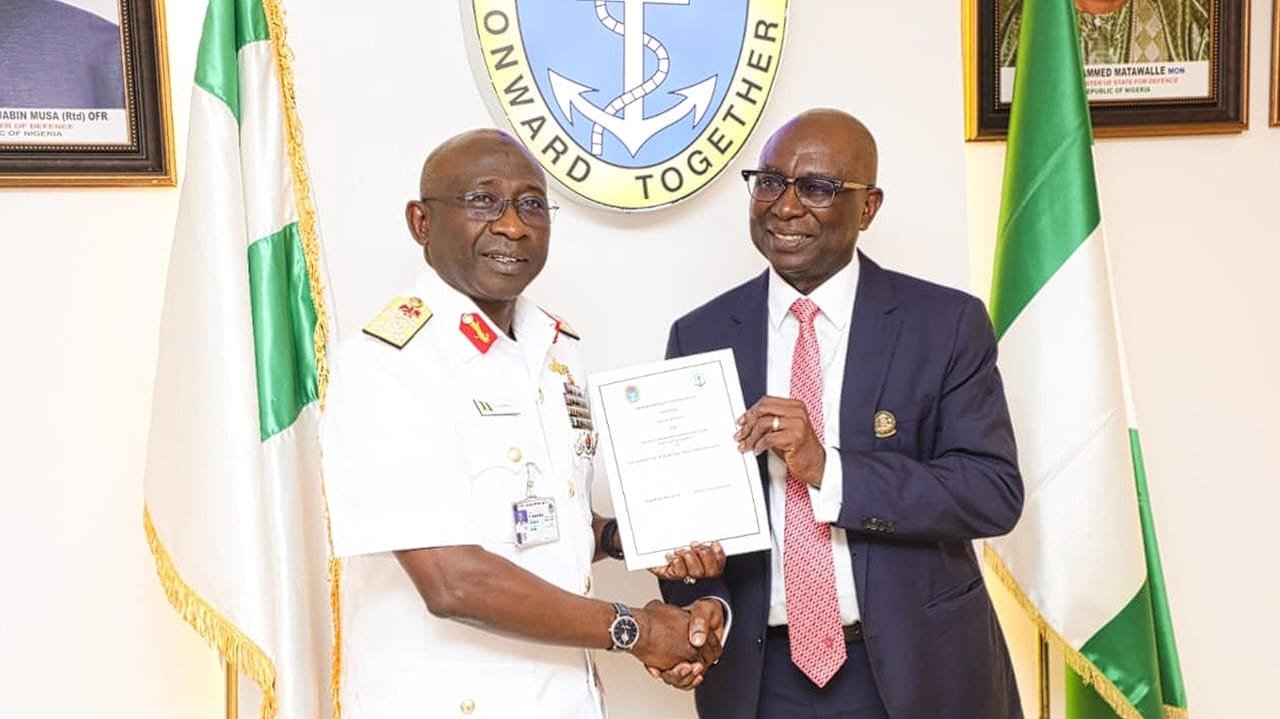
The Nigerian Maritime Administration and Safety Agency (NIMASA) has introduced new standards governing the education, training, assessment, certification, and medical fitness of Nigerian seafarers.
The development represents a major step toward strengthening professional standards within Nigeria’s maritime sector and ensuring that seafarers meet required safety and competency expectations.
Furthermore, the new standards are expected to improve the quality of maritime training while strengthening confidence in the capabilities of Nigerian seafarers.
Strengthening Seafarer Education
Quality education remains essential to developing competent maritime professionals.
Furthermore, the new standards provide a framework for improving the education and knowledge required by Nigerians seeking careers at sea.
Better education builds competence.
Competence improves safety.
Strong training supports professionalism.
Improving Maritime Training
Seafarers operate in demanding environments that require specialised technical skills.
Furthermore, stronger training standards can help ensure that Nigerian seafarers receive appropriate instruction before taking on professional responsibilities.
Practical training builds confidence.
Technical skills improve performance.
Professional standards protect lives.
Stronger Assessment and Certification
The new framework also covers the assessment and certification of Nigerian seafarers.
Furthermore, effective assessment helps determine whether candidates possess the knowledge and practical competencies required for their roles.
Proper assessment improves accountability.
Certification validates competence.
Competent seafarers strengthen maritime operations.
Medical Fitness Takes Centre Stage
Medical fitness is another important component of the new standards.
Furthermore, ensuring that seafarers meet appropriate health and fitness requirements can help reduce risks associated with working in demanding maritime environments.
Medical fitness supports safety.
Healthy crews improve operational readiness.
Proper screening reduces workplace risks.
Improving Safety at Sea
Maritime safety depends heavily on the competence and preparedness of personnel.
Furthermore, better education, training, assessment, certification, and medical standards can contribute to safer vessel operations and improved emergency preparedness.
Training supports safety.
Competence improves response.
Prepared crews protect lives.
Supporting Nigeria’s Maritime Industry
The new standards could also strengthen Nigeria’s wider maritime industry.
Furthermore, higher professional standards can improve the reputation of Nigerian seafarers and support their ability to compete for opportunities in international maritime markets.
Global standards create opportunities.
Professional competence attracts confidence.
Skilled seafarers strengthen the industry.
Preparing Seafarers for International Opportunities
The global maritime industry requires workers who meet recognised competency and safety standards.
Furthermore, stronger national standards could help Nigerian seafarers remain competitive as international employers continue to demand properly trained and certified maritime professionals.
International recognition expands opportunities.
Quality certification builds credibility.
Skills create global mobility.
Building a World-Class Maritime Workforce
NIMASA’s initiative aligns with broader efforts to strengthen Nigeria’s maritime administration and develop a highly skilled workforce.
Furthermore, improving standards across the seafarer development process can help build a more professional maritime workforce capable of supporting Nigeria’s ambitions in shipping and the blue economy.
Strong workers strengthen industries.
Professionalism improves competitiveness.
Skills drive maritime growth.
Looking Ahead
The introduction of new standards by NIMASA for the education, training, assessment, certification, and medical fitness of Nigerian seafarers marks an important development for Nigeria’s maritime sector.
The effectiveness of the framework will depend on proper implementation, monitoring, quality training institutions, qualified instructors, credible assessment systems, and consistent enforcement.
For Nigerian seafarers, the changes could raise professional expectations while creating a stronger foundation for international competitiveness.
For the maritime industry, the ultimate goal is clear: better-trained professionals, stronger safety standards, improved certification, and a workforce capable of meeting the demands of a modern global maritime economy.