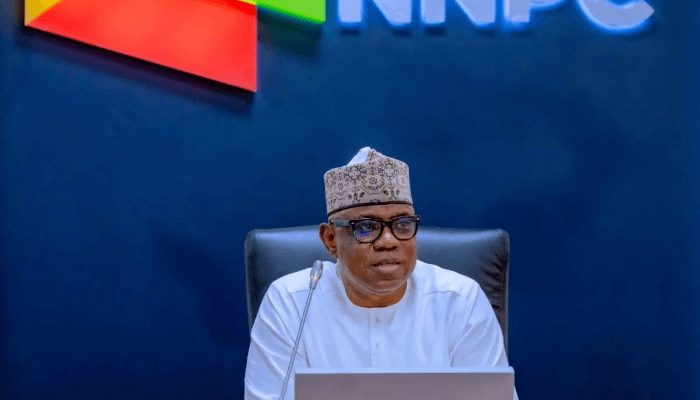
The Nigerian National Petroleum Company Limited (NNPCL) has reacted to calls by some oil and gas professionals for the removal of its Group Chief Executive Officer, Bayo Ojulari, and the Chief Executive of the Nigerian Upstream Petroleum Regulatory Commission (NUPRC), Meyiwa Eyesan.
The calls have added fresh pressure to ongoing debates about leadership, accountability, production performance, and the management of Nigeria’s petroleum resources.
NNPCL’s response comes as industry stakeholders continue to scrutinise developments within the oil and gas sector, particularly efforts to increase crude oil production, attract investment, improve operational efficiency, and strengthen Nigeria’s position in the global energy market.
Furthermore, the controversy highlights the importance of effective coordination between NNPCL, which participates in commercial petroleum operations, and NUPRC, which regulates Nigeria’s upstream petroleum industry.
Calls for Leadership Changes
Some oil and gas professionals have called for changes at the top of both institutions.
Furthermore, critics have raised questions about sector performance and the management of Nigeria’s petroleum resources while demanding greater accountability from senior officials.
Leadership decisions affect confidence.
Accountability strengthens institutions.
Performance remains critical.
NNPCL Defends Its Leadership
NNPCL has responded to the criticism while maintaining its position on the performance of its leadership.
Furthermore, the company has pointed to operational developments and production performance as important indicators when assessing the work of its management.
Measured performance matters.
Production supports the economy.
Operational progress strengthens confidence.
Why NUPRC Matters
The NUPRC plays a central role in regulating Nigeria’s upstream petroleum industry.
Furthermore, its responsibilities include overseeing activities involving exploration and production while supporting regulatory compliance and investment within the sector.
Effective regulation encourages investment.
Clear rules improve confidence.
Strong oversight supports sustainability.
Oil Production Remains a Major Issue
Nigeria continues to depend heavily on petroleum revenues.
Consequently, crude oil production remains one of the most important indicators of the sector’s performance.
Higher production can increase government revenue while providing more crude for domestic refining and supporting wider energy-sector activities.
Production strengthens energy security.
Investment improves capacity.
Reliable output supports growth.
Investment and Industry Confidence
The leadership debate also comes amid efforts to attract new investment into Nigeria’s petroleum industry.
Furthermore, investors require predictable regulations, effective institutions, operational efficiency, and confidence that the sector can deliver sustainable returns.
Investment creates jobs.
Capital expands production.
Confidence strengthens the industry.
Accountability and Transparency
Beyond production figures, stakeholders are likely to continue examining the transparency and governance of Nigeria’s petroleum institutions.
Furthermore, questions surrounding financial management, regulatory effectiveness, project delivery, investment decisions, and public accountability remain important to the broader debate.
Transparency builds trust.
Accountability protects public resources.
Good governance strengthens institutions.
Looking Ahead
The reaction from NNPCL to calls for the removal of Bayo Ojulari and Meyiwa Eyesan has intensified attention on leadership and performance within Nigeria’s petroleum sector. Furthermore, the debate highlights competing expectations around production growth, investment, regulation, accountability, and the management of the country’s oil and gas resources.
As the discussion continues, stakeholders will likely focus increasingly on measurable results, transparency, regulatory effectiveness, production performance, and the ability of Nigeria’s petroleum institutions to attract investment while delivering greater value from the nation’s energy resources.