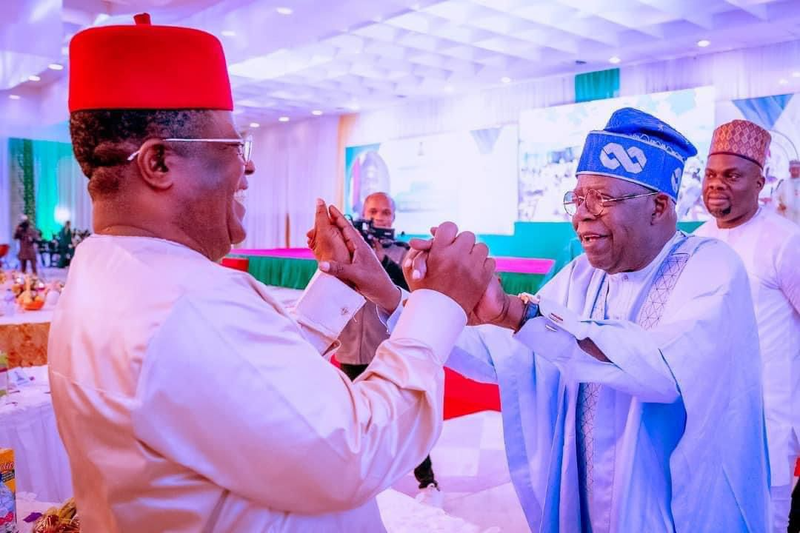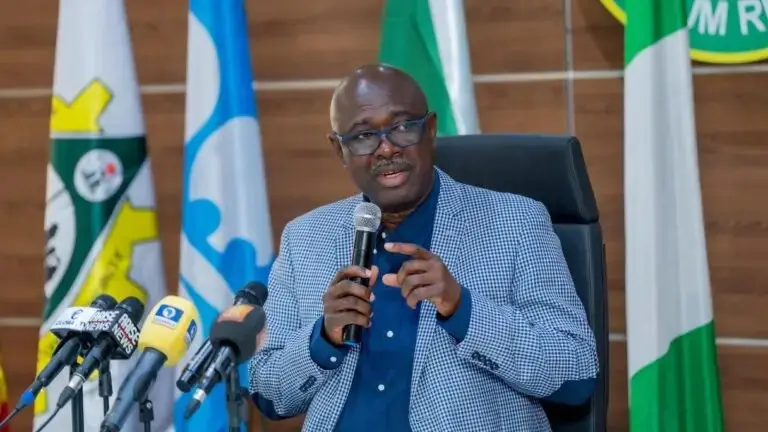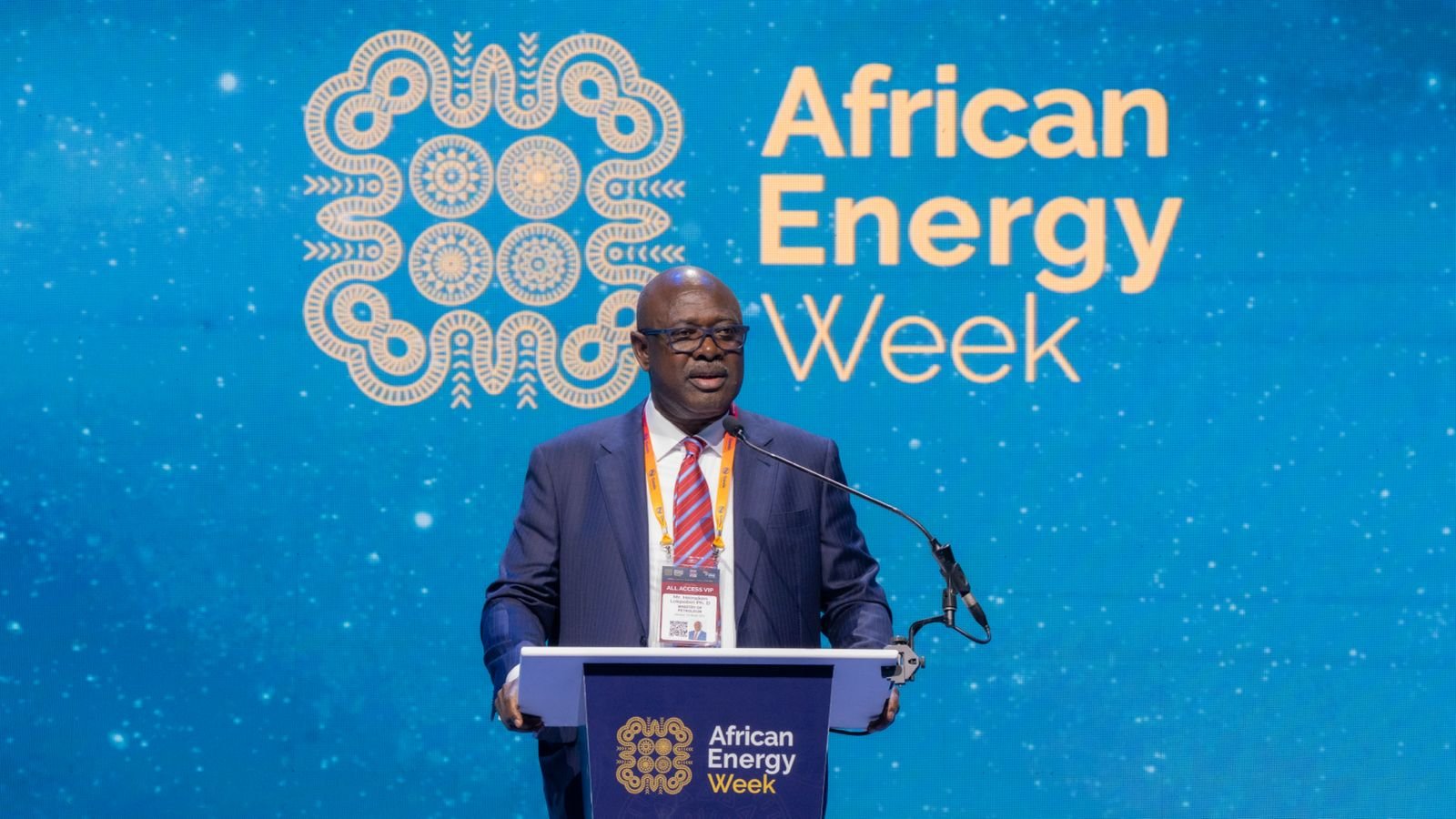
The Presidential Initiative on Compressed Natural Gas and Electric Vehicles (Pi-CNG & EV), the Ministry of Finance Incorporated (MOFI), the Rural Electrification Agency (REA), and the Abia State Government have committed to deepening collaboration on clean energy.
The partnership highlights growing efforts to expand cleaner energy solutions while supporting Nigeria’s transition toward a more sustainable energy system.
Furthermore, collaboration among federal agencies, investment institutions, and state governments could help accelerate the development of clean-energy infrastructure while creating opportunities for businesses, communities, and technology providers.
Driving Nigeria’s Clean Energy Transition
Nigeria is increasingly exploring cleaner and more efficient energy solutions.
Furthermore, compressed natural gas, electric mobility, renewable energy, and improved electricity access can contribute to a more diversified energy system.
Cleaner energy supports sustainability.
Modern transport reduces dependence on traditional fuels.
Reliable electricity strengthens economic activity.
Expanding Electric Mobility
The Pi-CNG & EV initiative is focused on supporting cleaner transportation solutions.
Furthermore, stronger collaboration could help create an environment for wider adoption of electric vehicles and related infrastructure.
Electric mobility encourages innovation.
Charging infrastructure supports adoption.
Cleaner transportation can improve urban sustainability.
Strengthening Rural Electrification
The involvement of the Rural Electrification Agency adds an important dimension to the collaboration.
Furthermore, expanding electricity access in underserved communities can support businesses, healthcare, education, agriculture, and other essential activities.
Electricity improves productivity.
Power supports local enterprise.
Connected communities gain new opportunities.
Unlocking Investment Opportunities
MOFI’s participation could also help connect clean-energy ambitions with investment and financing opportunities.
Furthermore, sustainable energy projects often require significant long-term capital, making institutional partnerships important for developing viable projects.
Investment supports infrastructure.
Capital enables expansion.
Strong partnerships improve implementation.
Abia’s Role in Clean Energy Development
The participation of the Abia State Government demonstrates the importance of state-level involvement in Nigeria’s energy transition.
Furthermore, state governments can support clean-energy projects by facilitating local partnerships, identifying suitable opportunities, and creating enabling environments for investment.
States can accelerate implementation.
Local partnerships improve adoption.
Communities benefit from targeted projects.
Building a Sustainable Energy Future
The collaboration reflects a broader shift toward cleaner energy and modern infrastructure.
Furthermore, combining federal initiatives with state-level support and institutional investment could help Nigeria develop energy solutions that are more efficient, accessible, and sustainable.
Clean energy creates opportunities.
Innovation strengthens economic resilience.
Sustainable infrastructure supports long-term growth.
Looking Ahead
The commitment by Pi-CNG & EV, MOFI, REA, and the Abia State Government to deepen clean-energy collaboration signals growing momentum around Nigeria’s energy transition.
The success of the partnership will depend on effective coordination, sustainable financing, reliable infrastructure, technology adoption, and strong implementation.
As Nigeria expands its clean-energy ambitions, cooperation between government institutions, investors, technology providers, and state governments will remain crucial to delivering cleaner transportation, wider electricity access, and a more sustainable energy future.