President Bola Ahmed Tinubu has said about 147 structures in Lagos are expected to be affected by the construction of the service lane of the Lagos-Calabar Coastal Highway, with only five structures slated for full demolition.
The President disclosed the figures while addressing concerns surrounding the impact of the major coastal road project on properties and communities along the route.
According to Tinubu, the majority of the affected structures will not face complete demolition, while only a smaller number have been identified for full removal to facilitate construction.
The clarification comes amid continuing public interest in the alignment, construction, and potential impact of the Lagos-Calabar Coastal Highway.
Only Five Structures for Full Demolition
President Tinubu said only five of the approximately 147 affected structures are expected to be completely demolished.
Furthermore, the distinction between structures affected by construction and those facing total demolition provides additional context to the scale of the project’s impact in Lagos.
Not every affected structure faces full removal.
Project alignment determines impact.
Construction requires careful planning.
Service Lane Construction
The affected structures are linked to the planned construction of a service lane along the coastal highway.
Furthermore, service lanes are designed to improve access and connectivity around major transportation corridors while supporting movement between communities and the main highway.
Better access improves connectivity.
Service lanes support local movement.
Transport infrastructure encourages development.
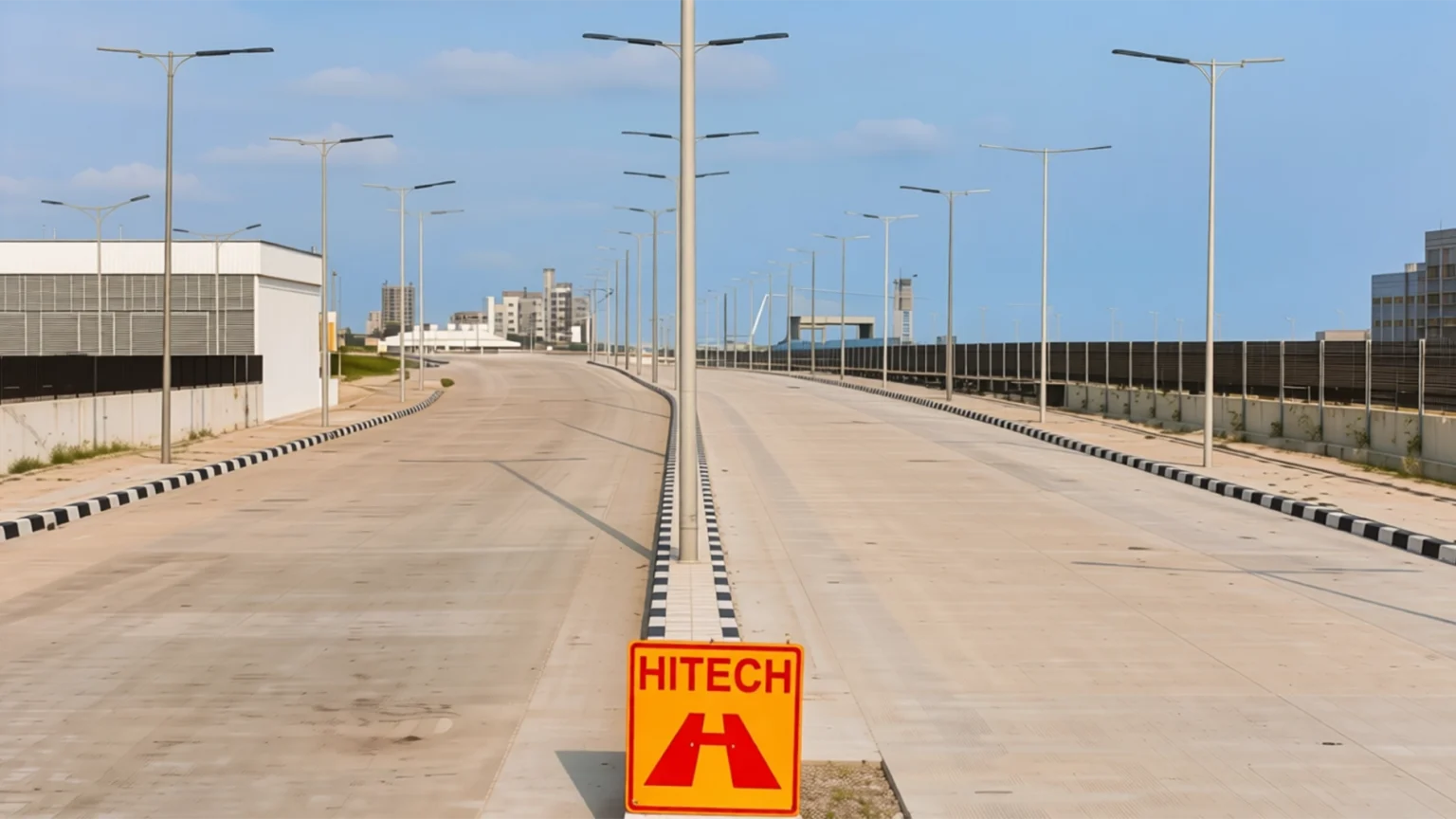
Lagos-Calabar Coastal Highway
The Lagos-Calabar Coastal Highway remains one of Nigeria’s major infrastructure projects.
Furthermore, the highway is designed to connect communities and economic centres along Nigeria’s coastline while improving transportation links and supporting economic activity.
Major highways connect markets.
Better roads support commerce.
Infrastructure strengthens regional integration.
Balancing Development and Property Impact
Large infrastructure projects often require adjustments to existing structures and land use.
Furthermore, effective planning must balance the need for modern infrastructure with the interests of property owners, businesses, residents, and affected communities.
Development requires careful coordination.
Property concerns require attention.
Transparent engagement builds confidence.
Economic Importance
The coastal highway is expected to support transportation and economic activity along its corridor.
Furthermore, improved connectivity could create opportunities for businesses, tourism, logistics, real estate, and other sectors.
Better transport reduces travel barriers.
Connectivity supports investment.
Infrastructure creates economic opportunities.
Looking Ahead
President Bola Ahmed Tinubu’s disclosure that approximately 147 structures in Lagos may be affected, with only five facing full demolition, provides further clarification about the project’s expected impact in the area.
As construction progresses, clear communication with affected communities and property owners will remain important. Furthermore, transparent information about project alignment, compensation arrangements, construction timelines, and mitigation measures can help reduce uncertainty surrounding the Lagos-Calabar Coastal Highway.
The project’s long-term success will depend not only on completing the highway but also on ensuring that its development benefits communities while managing its impact responsibly.