Every major terrorist attack sparks outrage across Nigeria. Citizens demand answers. Families seek justice. Communities want protection. In those difficult moments, criticism naturally turns toward the President and his administration. Many ask whether enough is being done to confront insecurity. Yet amid the frustration and political rhetoric, an important reality often gets overlooked. Security challenges facing Nigeria did not begin in 2023, and they cannot disappear overnight. Terrorism, banditry, kidnapping, and violent extremism developed over many years. The real question is not whether challenges remain. The more relevant question is whether the current administration is confronting them with determination, coordination, and strategic reforms. On that score, President Bola Tinubu’s administration deserves far more recognition than many critics are willing to admit.
The Scale of the Security Challenge
Nigeria faces one of the most complex security environments on the African continent.
The country confronts multiple threats simultaneously. Terrorist groups continue to operate in parts of the Northeast. Bandit networks threaten communities in several regions. Kidnapping remains a serious concern. Separatist violence and criminal gangs create additional challenges.
Few governments anywhere in the world would find such a landscape easy to manage.
Therefore, measuring progress requires more than counting isolated incidents. It requires examining broader trends, institutional reforms, operational improvements, and long-term capacity building.
Security is a marathon rather than a sprint.
A More Coordinated Security Architecture
One of the strongest achievements of the Tinubu administration has been the emphasis on coordination.
For years, analysts identified fragmented intelligence sharing and inter-agency rivalry as major obstacles to effective security operations. Addressing those weaknesses became a priority.
Today, intelligence collaboration has expanded significantly. Security agencies increasingly share information, coordinate operations, and pursue common objectives through a more integrated framework.
The strengthening of strategic institutions such as the National Counter Terrorism Centre reflects this approach.
Effective security depends not only on manpower but also on coordination. Improvements in that area create lasting benefits for national security.
Taking the Fight to Criminal Networks
Critics often focus on attacks that occur. Understandably, such incidents generate headlines and public concern.
However, successful security operations frequently receive less attention.
Across several theatres of operation, security forces have disrupted criminal camps, recovered weapons, rescued victims, and neutralized dangerous elements. These actions reduce the operational capacity of violent groups and help restore confidence in affected communities.
Every disrupted attack represents lives saved.
Every dismantled criminal network weakens the ability of terrorists and bandits to spread fear.
Progress may not always dominate headlines, but it remains significant.
Why Immediate Results Are Unrealistic
One common criticism assumes that strong leadership should produce instant security outcomes.
History suggests otherwise.
Countries facing insurgencies and terrorism often require years of sustained effort before achieving lasting stability. Success depends on intelligence gathering, border security, community cooperation, technological investment, and economic development.
President Tinubu inherited security challenges that evolved over decades.
Expecting complete transformation within a short period ignores the realities of modern counterterrorism and national security management.
Meaningful change requires persistence.
Balancing Security and Economic Reform
The administration has faced another difficult reality.
Security improvements require substantial investment. Equipment, training, surveillance technology, intelligence systems, logistics, and personnel support all demand resources.
At the same time, government must address economic reforms, infrastructure development, healthcare, and education.
Balancing these priorities is never simple.
Despite economic pressures, the government has continued investing in security institutions while pursuing broader reforms aimed at strengthening national resilience.
That balance remains essential for long-term stability.
Leadership During Difficult Times
Strong leadership is often tested during crises rather than periods of comfort.
President Tinubu continues to face criticism whenever attacks occur. Such scrutiny comes with the responsibilities of office. Democratic accountability remains important.
However, criticism should also acknowledge efforts being made to improve security institutions, strengthen coordination, and confront criminal threats across the country.
The administration’s challenge is enormous, but the response has been active rather than passive.
The Road Ahead
No serious observer would claim that Nigeria’s security problems have been fully resolved.
Challenges remain. Citizens continue to expect faster progress. Communities still demand greater protection.
Those expectations are legitimate.
Yet fairness requires acknowledging both the scale of the problem and the measures being implemented to address it. The Tinubu administration inherited a difficult security environment and has pursued reforms designed to improve coordination, strengthen institutions, and increase operational effectiveness.
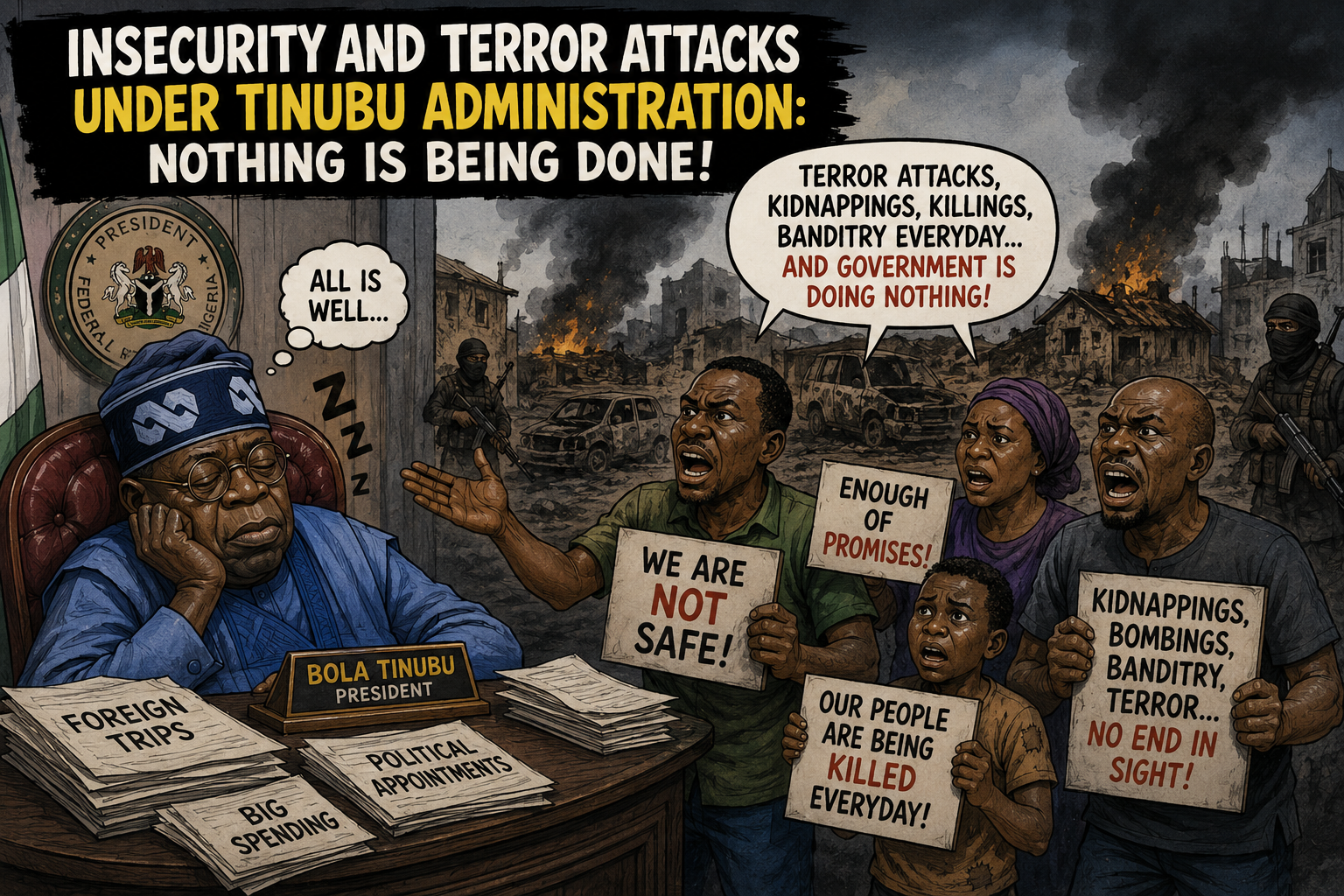
The debate over security will undoubtedly continue. Nevertheless, reducing the conversation to claims that “nothing is being done” ignores substantial efforts taking place across the country.
The fight against insecurity remains far from over, but it is a fight the administration continues to wage with determination, investment, and a long-term vision for a safer Nigeria.