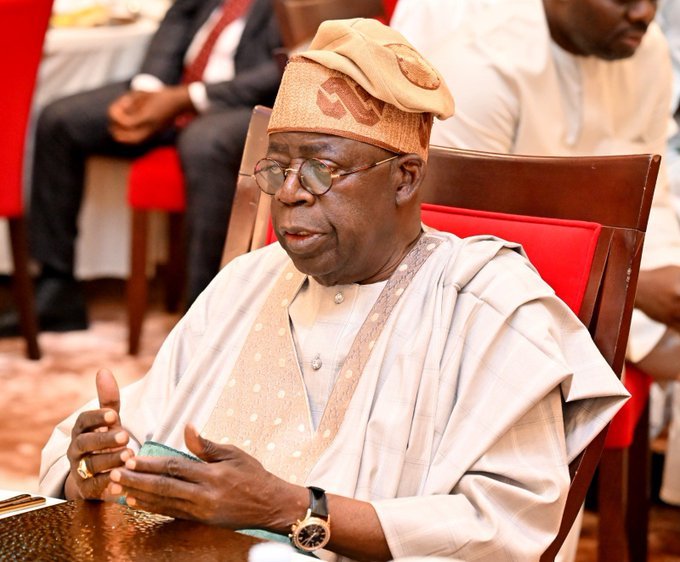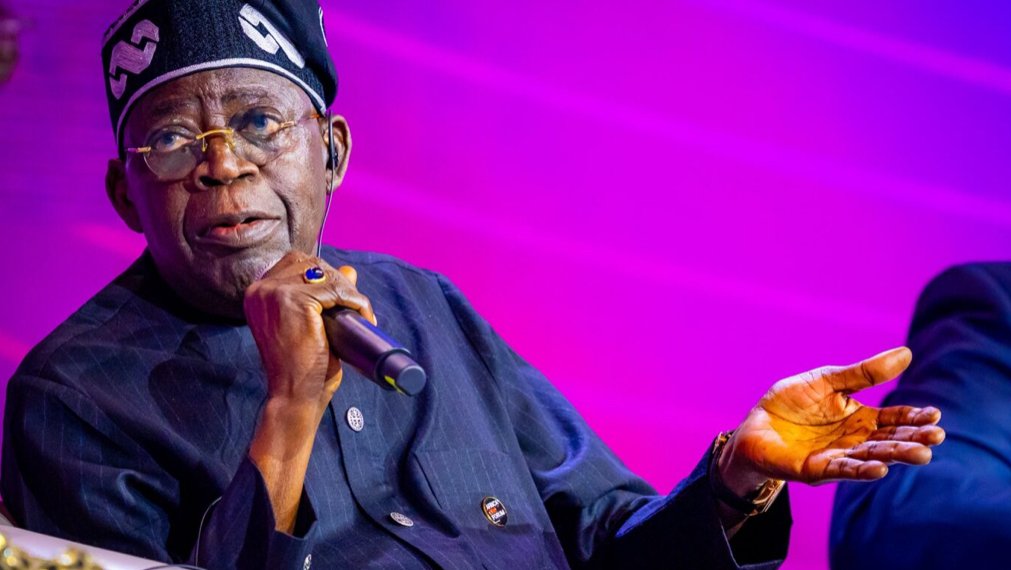
President Bola Ahmed Tinubu has alleged that individuals and groups who benefited from the former fuel subsidy regime and foreign exchange distortions are among those fueling instability and insecurity in parts of Nigeria following the implementation of major economic reforms.
The President argued that his administration’s decision to remove fuel subsidies and reform the foreign exchange system disrupted entrenched interests that had profited from what he described as a deeply flawed economic structure for many years.
According to him, the reforms have blocked avenues through which enormous public resources were previously lost, creating resistance from those whose financial interests were affected by the changes.
His remarks add a new dimension to the ongoing national conversation about insecurity, economic reform, and the political consequences of restructuring long-established systems.
The Fuel Subsidy Debate
For decades, fuel subsidy remained one of the most controversial issues in Nigeria’s economic management.
Supporters argued that the subsidy helped reduce transportation and energy costs for ordinary citizens. Critics, however, maintained that the system encouraged corruption, smuggling, inefficiency, and massive revenue leakages.
Successive administrations struggled with the challenge of balancing affordability with fiscal sustainability.
When President Tinubu announced the removal of fuel subsidy shortly after assuming office, the decision marked one of the most significant economic policy shifts in recent Nigerian history.
The move generated widespread debate and immediate economic adjustments, including higher fuel prices and increased transportation costs.
However, the government has consistently argued that subsidy removal was necessary to free up resources for infrastructure, social programmes, and broader economic development.
Foreign Exchange Reforms and Economic Restructuring
The administration also introduced major reforms within the foreign exchange market.
For years, multiple exchange-rate windows and market distortions created opportunities for arbitrage and speculative activities that many analysts believed undermined transparency and investor confidence.
The government maintained that a more market-driven system would improve efficiency, attract investment, and strengthen economic competitiveness over time.
While the transition generated short-term challenges, including exchange-rate volatility and inflationary pressures, officials argued that reform remained necessary for long-term stability.
According to President Tinubu, these changes disrupted networks that had benefited significantly from the previous arrangements.
Why the President Sees a Link to Insecurity
The President’s position suggests that individuals who lost access to substantial economic advantages may be attempting to undermine reform efforts through activities capable of creating instability and public dissatisfaction.
Although insecurity in Nigeria remains a complex issue with multiple causes, Tinubu believes that economic interests affected by recent reforms may be contributing to efforts aimed at frustrating government policies.
Nigeria continues confronting various security challenges, including banditry, kidnapping, terrorism, communal conflicts, and organized criminal activities across different regions.
Security experts generally acknowledge that insecurity often has multiple drivers, including economic hardship, weak institutions, criminal networks, social tensions, and governance challenges.
The President’s remarks introduce another perspective by focusing on the potential role of vested economic interests.
The Cost of Economic Reform
Major reforms frequently generate resistance.
Around the world, governments implementing structural economic changes often encounter opposition from groups benefiting from previous systems.
Such resistance may emerge through political campaigns, public criticism, economic pressure, or other forms of opposition.
Supporters of the Tinubu administration argue that difficult reforms were necessary to correct longstanding distortions within Nigeria’s economy.
They maintain that short-term sacrifices are required to achieve long-term fiscal stability and sustainable growth.
Critics, however, continue expressing concerns regarding the immediate impact of reforms on living standards, inflation, and purchasing power.
This debate remains central to Nigeria’s economic discourse.
The Security Challenge Remains Significant
Regardless of differing perspectives on the causes of insecurity, the challenge continues demanding urgent attention.
Communities across Nigeria have experienced the effects of kidnapping, violent attacks, and criminal activities that affect lives, livelihoods, and economic productivity.
Citizens increasingly expect stronger security responses, improved intelligence gathering, and more effective law enforcement operations capable of protecting communities.
The government has repeatedly emphasized its commitment to strengthening security agencies and improving coordination among relevant institutions.
However, public expectations remain high as many communities continue seeking lasting solutions.
Economic Stability and National Security
Economic conditions frequently influence security outcomes.
High unemployment, poverty, social exclusion, and limited opportunities can create environments where criminal activities thrive.
Consequently, many experts argue that security strategies should combine law enforcement measures with economic interventions capable of expanding opportunities and improving living conditions.
The Tinubu administration has consistently presented its reform agenda as part of a broader effort to stabilize the economy and create conditions for sustainable development.
Officials maintain that stronger public finances, increased investment, and improved economic management will ultimately contribute to greater national stability.
The Importance of Public Confidence
Public confidence remains essential during periods of economic transition.
Citizens often evaluate reforms based on their impact on everyday life, including employment opportunities, business conditions, living costs, and security.
Consequently, government communication and transparency remain important components of reform implementation.
The administration continues emphasizing that current economic adjustments are intended to produce long-term benefits, including stronger growth, improved infrastructure, and increased investment.
Whether those outcomes materialize will likely influence public perceptions of the reform programme.
Looking Ahead
President Bola Ahmed Tinubu’s assertion that beneficiaries of the former fuel subsidy and foreign exchange systems are contributing to rising insecurity highlights the political and economic tensions surrounding Nigeria’s ongoing reforms.
As the country continues navigating economic restructuring and security challenges, attention will remain focused on the effectiveness of government policies, the performance of security institutions, and the broader impact of reforms on citizens and businesses across Nigeria.
Ultimately, achieving lasting stability will require a combination of effective security measures, economic opportunity, institutional accountability, and sustained public confidence in the nation’s reform agenda.