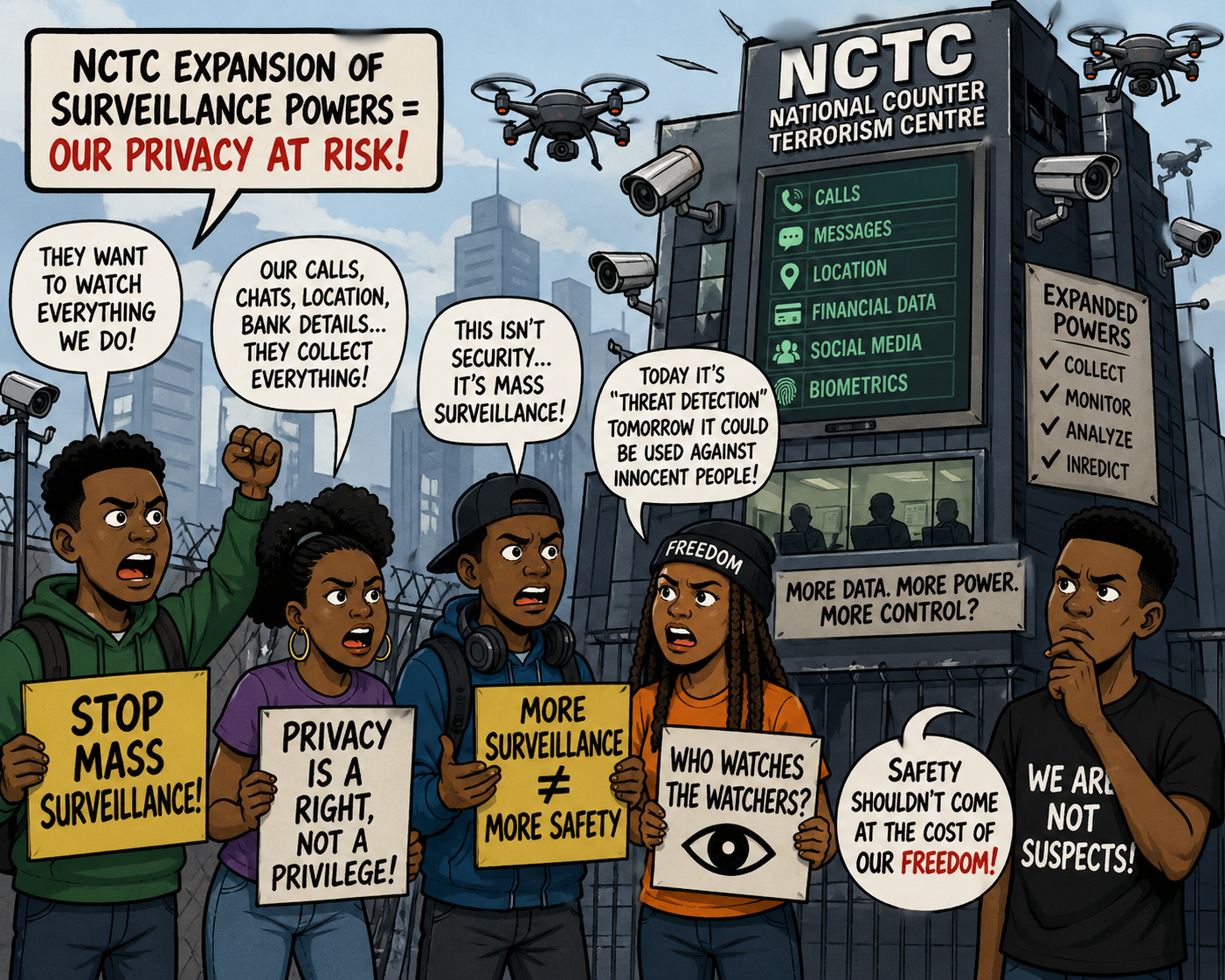
Across many societies today, the debate over NCTC surveillance powers is growing louder. Young people, in particular, are raising urgent concerns. They question how far security agencies should go in the name of protection. At the same time, governments continue to expand monitoring capabilities. This tension now defines one of the most controversial policy trends of our time.
Rising Security, Shrinking Privacy
First, governments argue that stronger surveillance improves national security. They highlight the need to detect threats early. They also emphasize the speed at which modern threats evolve. Therefore, agencies demand broader access to data.
However, many youths strongly disagree. They see a different reality unfolding. Instead of targeted intelligence, they observe widespread data collection. Their calls, messages, and online activities often fall under scrutiny. As a result, trust begins to erode.
Moreover, young people understand technology deeply. They know how data systems operate. Because of this awareness, they quickly recognize potential abuse. Consequently, they push back harder than previous generations.
From Protection to Control?
Next, critics argue that the line between protection and control is fading. Initially, surveillance aimed to stop dangerous actors. Yet, the scope now appears much wider.
For example, agencies collect location data, financial records, and social media activity. While officials claim this helps prevent threats, critics raise an important question. When does monitoring become control?
In addition, youths fear that such systems can easily expand beyond their original purpose. Today, authorities track potential threats. Tomorrow, they might monitor dissenting voices. This possibility fuels growing resistance.
The Fear of Being Watched Constantly
Furthermore, constant surveillance creates a psychological impact. Young people increasingly feel watched, even in private spaces. This feeling changes behavior over time.
For instance, individuals may hesitate before expressing opinions online. They may also avoid discussing sensitive topics. Gradually, freedom of expression begins to shrink.
At the same time, creativity and open dialogue suffer. Youth culture thrives on bold ideas and honest conversations. However, surveillance discourages both. As a result, society risks losing innovation and critical thinking.
Trust Deficit Between Youth and Authorities
Equally important, trust between young citizens and institutions continues to decline. Governments insist that surveillance protects everyone. Yet, many youths remain unconvinced.
They demand transparency. They want clear limits on data collection. They also expect accountability when systems fail. Unfortunately, these expectations often go unmet.
Because of this gap, skepticism grows. Young people begin to question not just surveillance policies, but leadership itself. This shift carries long-term consequences for governance and civic engagement.
Technology Moves Faster Than Regulation
Meanwhile, technology evolves at an incredible pace. Artificial intelligence now plays a major role in surveillance systems. It can analyze patterns, predict behavior, and flag potential risks.
However, regulation struggles to keep up. Laws often lag behind innovation. Therefore, systems operate with limited oversight.
This imbalance creates serious concerns. Without strong rules, misuse becomes more likely. Additionally, errors in AI systems can wrongly target innocent individuals. These risks further intensify the debate.
Youth Activism Gains Momentum
In response, youth activism continues to grow. Many young people now speak out through protests, social media, and digital campaigns. They demand a balance between safety and freedom.
Moreover, they frame the issue as a rights-based struggle. Privacy, in their view, is not optional. It remains a fundamental right.
As their voices grow louder, governments face increasing pressure. Leaders must now justify their policies more clearly. They must also engage directly with younger generations.
A Defining Moment for the Future
Ultimately, the expansion of NCTC surveillance powers presents a defining challenge. On one hand, security remains essential. On the other hand, unchecked monitoring threatens personal freedom.
Therefore, the path forward requires careful balance. Governments must protect citizens without overreaching. At the same time, they must rebuild trust with younger generations.
If they succeed, societies can achieve both safety and freedom. However, if they fail, the consequences could reshape civic life for years to come.
The debate is far from over. In fact, it is only just beginning.