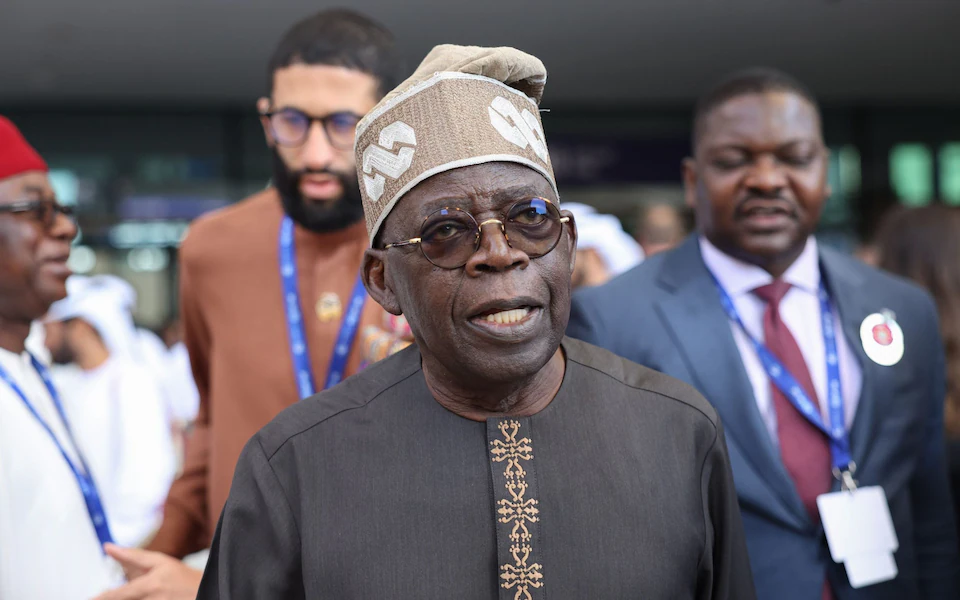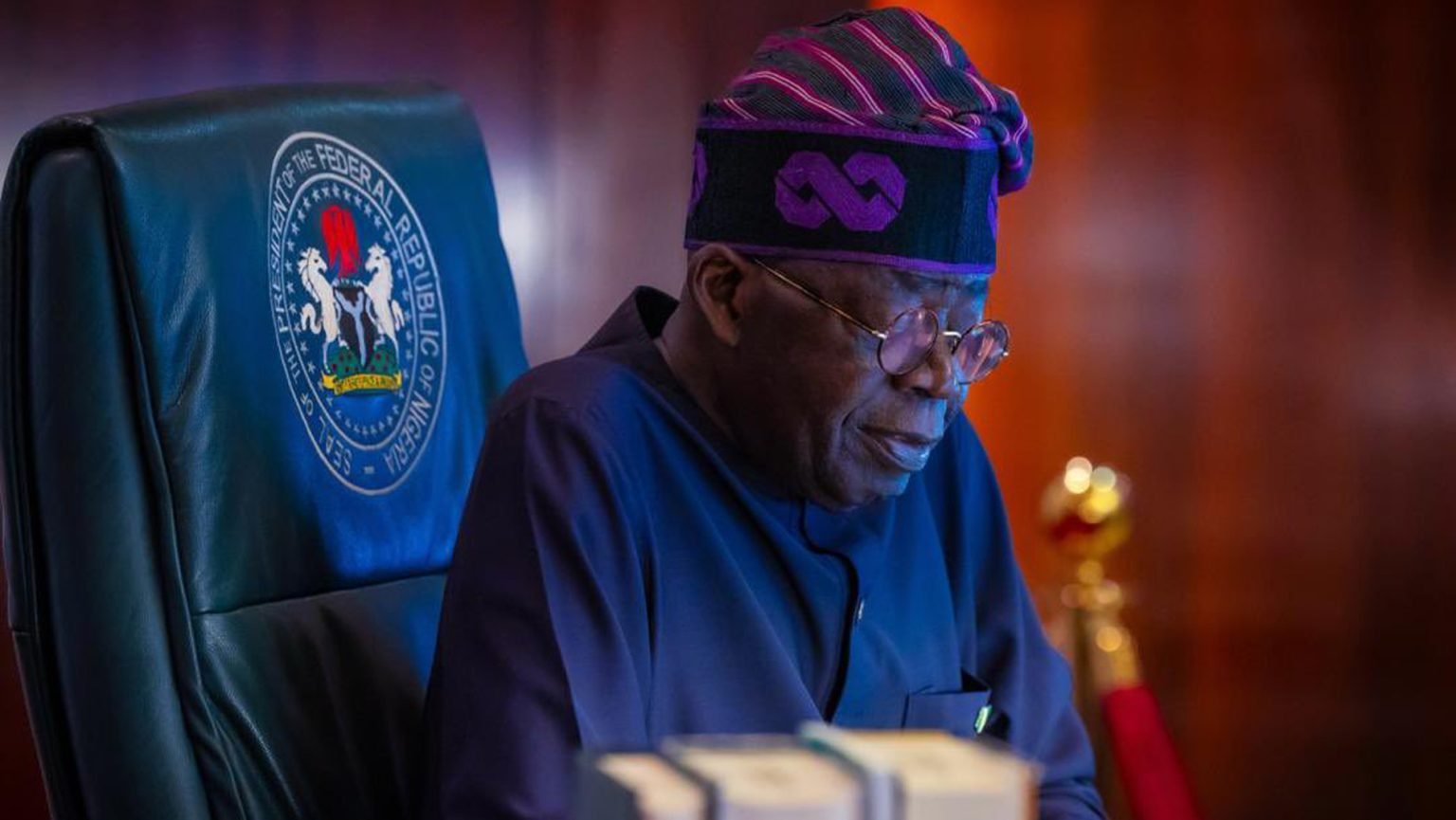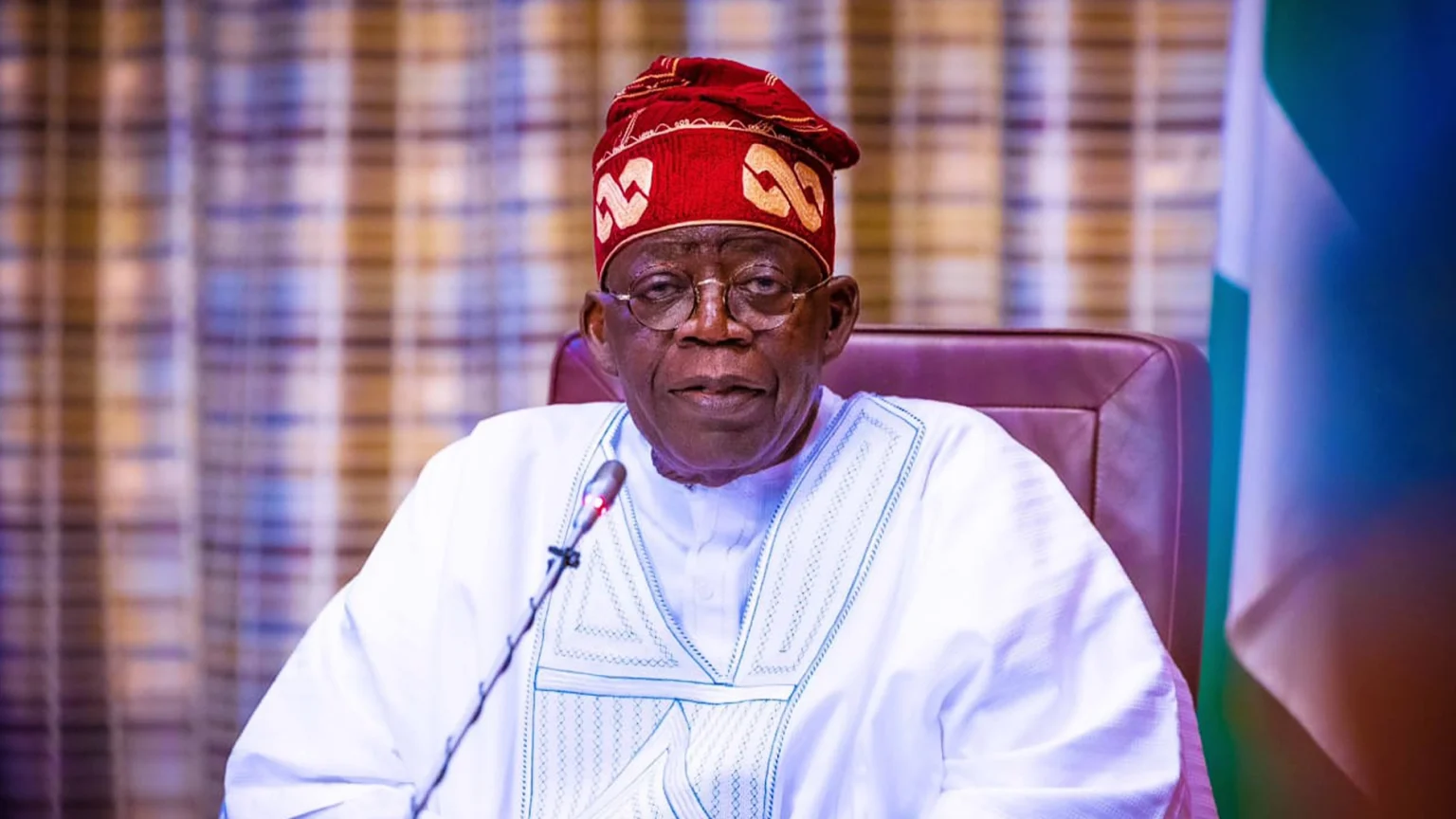
President Bola Ahmed Tinubu has called for stronger Religious unity among Nigerians of different faiths, stressing that peaceful coexistence between Christians and Muslims remains crucial to overcoming the country’s security challenges.
The President also linked national unity with Nigeria’s broader efforts to build a stable and peaceful society ahead of the 2027 general elections.
His message highlights the importance of religious tolerance at a time when political activities are expected to intensify across the country.
Unity Against Insecurity
Tinubu emphasised the importance of cooperation among Nigerians regardless of religious differences.
Furthermore, peaceful communities can create stronger conditions for security agencies to operate effectively while reducing opportunities for division and mistrust.
Unity strengthens communities.
Trust supports cooperation.
Peace improves security.
Christians and Muslims Must Work Together
Nigeria is home to large Christian and Muslim populations, alongside people of other faiths and traditional beliefs.
Furthermore, the President’s message underscores the importance of ensuring that religious differences do not become sources of conflict or political division.
Faith should encourage peace.
Differences should encourage understanding.
Citizens should prioritise shared interests.
Security Requires Collective Responsibility
Government security agencies have a major responsibility to protect lives and property.
However, citizens and communities also have important roles to play.
Furthermore, cooperation between communities and authorities can improve information sharing and strengthen efforts to prevent violence.
Communities understand local realities.
Security agencies provide enforcement.
Cooperation can strengthen both sides.
2027 Elections and National Stability
The President’s call comes as Nigeria approaches another major electoral cycle.
Furthermore, political campaigns can sometimes intensify existing social, ethnic, and religious divisions if leaders and supporters fail to promote responsible engagement.
Elections should strengthen democracy.
Political competition should remain peaceful.
Citizens should reject inflammatory rhetoric.
Beyond Religious Differences
Tinubu’s message also points to the need for Nigerians to focus on shared national interests.
Furthermore, citizens across different faiths face many of the same challenges, including unemployment, insecurity, inflation, inadequate infrastructure, and limited economic opportunities.
Shared challenges require shared solutions.
National progress requires cooperation.
Unity creates stronger foundations.
Religious Leaders Have a Role
Religious leaders can also contribute significantly to national peace.
Furthermore, churches and mosques can promote tolerance, responsible citizenship, peaceful dialogue, and rejection of violence.
Religious teaching can promote compassion.
Community leaders can encourage dialogue.
Faith communities can strengthen peacebuilding.
Building a Stable Nation
A stable Nigeria requires more than security operations.
Furthermore, lasting stability depends on trust, justice, economic opportunity, responsible leadership, and peaceful relationships among citizens.
Security protects communities.
Good governance strengthens confidence.
Economic opportunity reduces vulnerability.
Looking Ahead
President Tinubu’s call for stronger unity among Nigerians of different faiths places religious tolerance and peaceful coexistence at the centre of the national conversation ahead of 2027.
The message comes with a broader responsibility for political leaders, religious institutions, civil society organisations, and ordinary citizens.
Nigeria’s religious diversity does not have to become a source of division.
Instead, it can become a foundation for greater understanding and national cooperation.
As the country moves toward the 2027 elections, the central message remains important: political differences should never become religious hostility, and religious diversity should never prevent Nigerians from working together for peace, security, and national development.