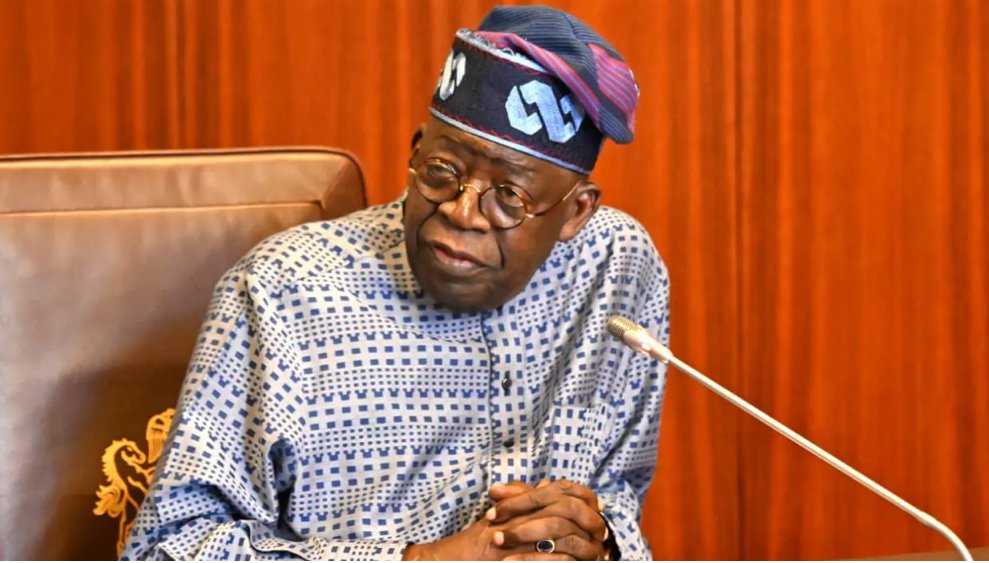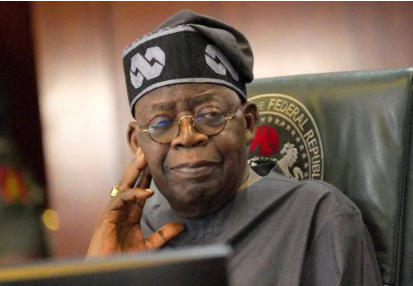
President Bola Ahmed Tinubu has declared that the Federal Government refused to negotiate with or pay ransom to the armed group responsible for the kidnapping of schoolchildren and teachers in Oriire Local Government Area of Oyo State last May, reaffirming his administration’s determination to confront criminality without rewarding those responsible for violent crimes.
Speaking on Thursday while receiving a delegation of traditional rulers from Oyo State in Abuja, President Tinubu explained that his administration remained committed to protecting lives while maintaining a firm national policy against financing criminal organisations through ransom payments.
Furthermore, the President stated that Nigeria’s long-term security interests require decisive action capable of weakening criminal networks rather than encouraging further kidnappings through financial incentives.
According to him, his administration continues strengthening security operations, intelligence gathering, inter-agency collaboration, and community engagement as part of broader efforts to restore peace and improve public safety across the country.
The President also acknowledged the important role of traditional institutions in supporting national security through community leadership, conflict resolution, grassroots intelligence, and public cooperation with security agencies.
Government Maintains Firm Position
President Tinubu reiterated that the Federal Government maintains a clear position regarding ransom payments.
Furthermore, he explained that negotiating with criminal groups could encourage additional kidnappings while strengthening organised criminal networks.
National security requires difficult decisions.
According to the President, government remains focused on protecting citizens without creating incentives for future crimes.
Firm policies discourage criminality.
Focus on Security Operations
Rather than paying ransom, the administration emphasised operational responses.
Furthermore, security agencies continue strengthening intelligence-driven operations designed to locate victims, disrupt criminal groups, and improve public safety.
Security remains the priority.
The President expressed confidence in ongoing reforms within Nigeria’s security architecture.
Professional operations improve effectiveness.
Protecting Nigerian Communities
President Tinubu reaffirmed his administration’s commitment to protecting communities nationwide.
Furthermore, ensuring the safety of schools, villages, highways, and public institutions remains an important responsibility of government.
Safety strengthens development.
According to him, peaceful communities create stronger environments for education, commerce, agriculture, and investment.
Security supports prosperity.
Traditional Rulers Play Important Roles
During the meeting, the President recognised the importance of traditional rulers.
Furthermore, community leaders possess valuable local knowledge capable of supporting peacebuilding and strengthening cooperation between citizens and security agencies.
Traditional institutions matter.
Grassroots leadership continues contributing significantly to national stability.
Community cooperation strengthens security.
Fighting Kidnapping Nationwide
Kidnapping remains one of Nigeria’s major security challenges.
Furthermore, government continues implementing multiple strategies designed to reduce criminal activities while improving law enforcement capabilities.
National cooperation remains necessary.
The administration believes stronger coordination among security agencies improves operational outcomes.
Collaboration enhances effectiveness.
Strengthening Intelligence Gathering
President Tinubu also highlighted the importance of intelligence.
Furthermore, timely information supports more effective planning while enabling security agencies to respond rapidly to emerging threats.
Information saves lives.
Improved intelligence coordination remains central to modern security operations.
Knowledge strengthens preparedness.
Community Participation Remains Essential
The President encouraged continued public cooperation.
Furthermore, citizens play important roles by supporting lawful security efforts and providing credible information whenever necessary.
Communities strengthen resilience.
Public participation complements government efforts in addressing security challenges.
Shared responsibility improves outcomes.
Security Supports National Development
Peace and security remain essential foundations for economic progress.
Furthermore, businesses, investors, educational institutions, healthcare facilities, and agricultural activities all perform better within stable environments.
Security drives development.
According to the President, improving national safety supports broader economic transformation.
Stability encourages investment.
Commitment to Lasting Peace
President Tinubu assured the delegation that his administration remains committed to restoring lasting peace across Nigeria.
Furthermore, ongoing investments in security institutions, operational capacity, technology, intelligence, and personnel development will continue strengthening national security.
The mission continues.
Government remains determined to protect Nigerians while confronting criminal networks decisively.
Public safety remains paramount.
Looking Ahead
President Bola Tinubu’s reaffirmation that the Federal Government neither negotiated with nor paid ransom to the kidnappers responsible for the Oriire school abduction underscores his administration’s commitment to confronting insecurity through strengthened security operations rather than financial concessions to criminal groups.
Furthermore, his engagement with Oyo State traditional rulers highlights the importance of collaboration between government, community leaders, and security agencies in addressing evolving security challenges. As ongoing reforms continue strengthening intelligence gathering, operational coordination, and law enforcement capacity, the Federal Government remains focused on improving public safety, protecting communities, restoring confidence, and creating a more secure environment capable of supporting Nigeria’s long-term peace, stability, and sustainable national development.