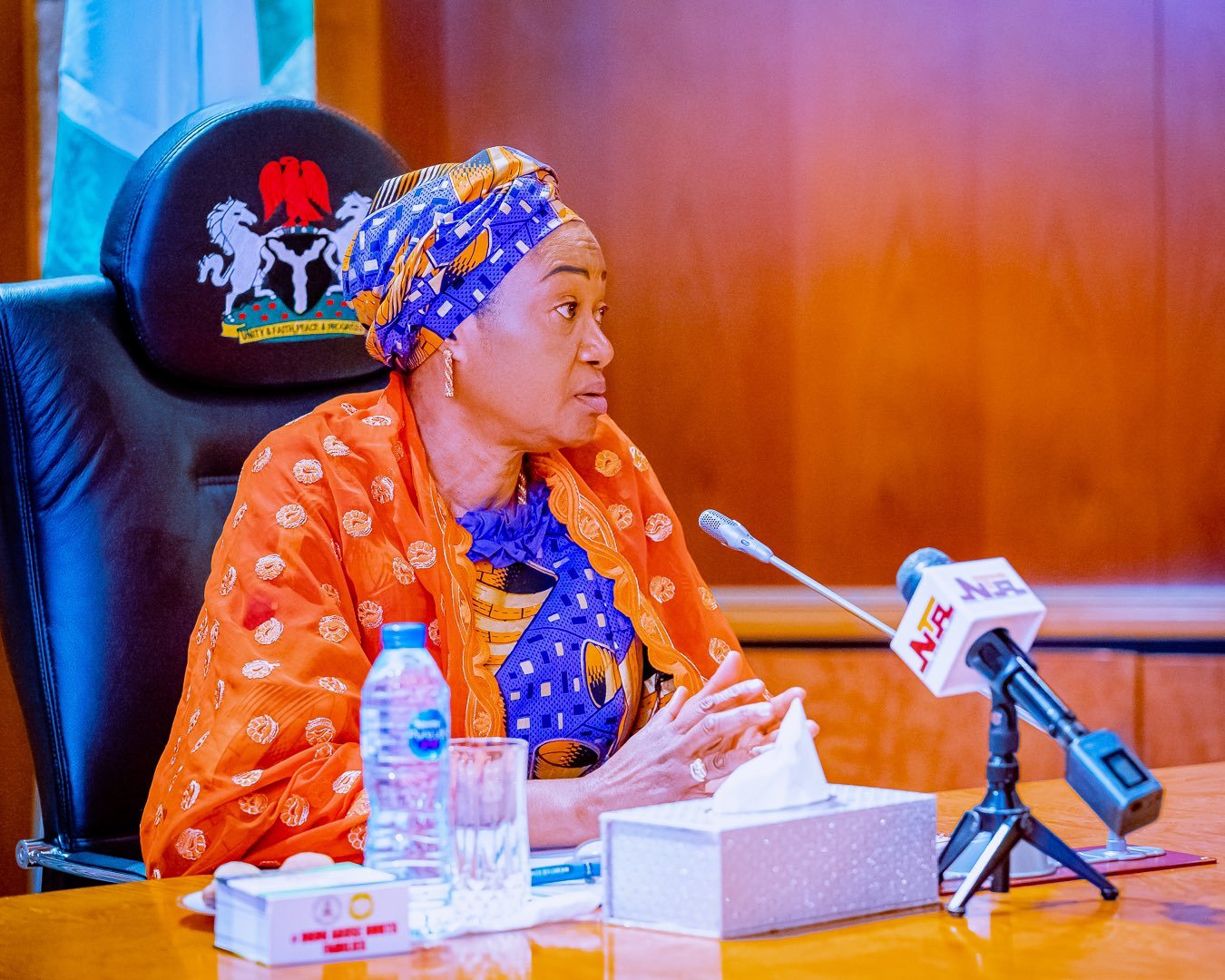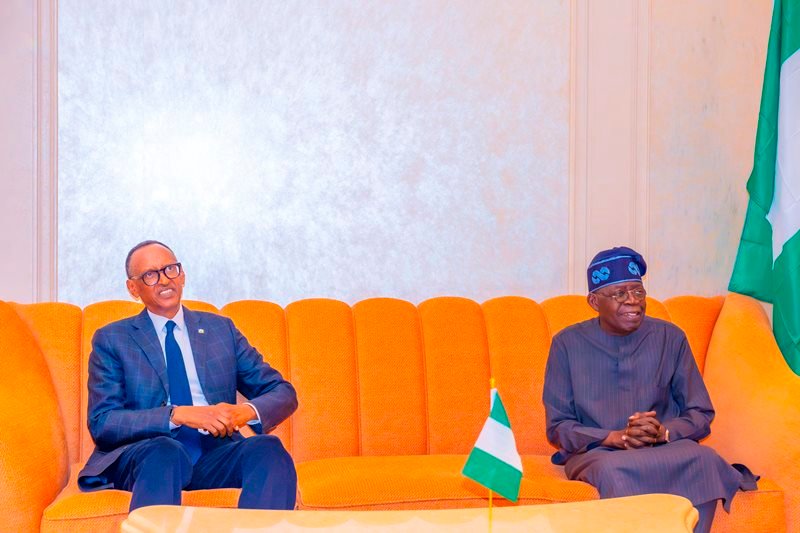
President Bola Ahmed Tinubu has directed a special delegation from South Africa to hold discussions with the Minister of State for Foreign Affairs, Ambassador Sola Enikanolaiye, instead of meeting him directly, as diplomatic engagements intensified over the continued xenophobic attacks targeting Nigerians and other African nationals in South Africa.
The delegation, led by South Africa’s Minister of International Relations and Cooperation, Ronald Lamola, held high-level talks in Abuja following President Tinubu’s directive. During the meeting, Nigeria expressed deep concern over the recurring attacks on Nigerians living in South Africa while calling for stronger action to guarantee their safety and protect their rights.
Furthermore, reports indicate that the President chose not to receive the delegation personally as concerns continued mounting over the attacks on Nigerians. The development has attracted significant attention across Africa because it highlights Nigeria’s determination to ensure that the lives, businesses, and welfare of its citizens receive adequate protection wherever they reside.
The Federal Government maintained that protecting Nigerians abroad remains one of its important responsibilities, especially during periods of heightened tension involving the safety of its citizens.
Nigeria Demands Stronger Protection
During the diplomatic engagement, Nigerian officials reiterated the country’s concern over repeated attacks against Nigerians and other African migrants living in South Africa.
Furthermore, Ambassador Sola Enikanolaiye explained that the Federal Government considers the recurring violence unacceptable and believes stronger preventive measures must be implemented.
Protecting citizens remains a national priority.
According to Nigerian officials, the government expects every nation to guarantee the safety of both its citizens and legally resident foreign nationals without discrimination.
The meeting therefore focused on practical solutions capable of preventing future incidents while strengthening confidence among affected communities.
Concern Over Repeated Attacks
Nigeria noted that xenophobic violence has resurfaced several times over the years, creating anxiety among affected communities.
Furthermore, officials observed that repeated attacks have damaged businesses, disrupted livelihoods, and strained diplomatic relations between two of Africa’s largest economies.
Peace benefits everyone.
The Nigerian delegation stressed that while every country possesses the right to enforce its immigration and criminal laws, such enforcement must always follow legal procedures rather than mob violence.
Respect for the rule of law remains essential.
Officials argued that preventing future attacks requires stronger enforcement, improved public awareness, and greater accountability for those responsible for violence.
Diplomacy Before Escalation
Although public concern continues growing, Nigeria has maintained diplomatic engagement as the preferred approach.
Furthermore, the meeting demonstrates the government’s commitment to resolving sensitive international issues through dialogue rather than confrontation.
Dialogue strengthens international relations.
Constructive diplomatic engagement allows both countries to exchange concerns openly while working toward practical solutions capable of strengthening bilateral cooperation.
Officials expressed optimism that continued discussions would produce positive outcomes capable of restoring confidence and preventing further incidents.
Tinubu Administration’s Position
President Tinubu has consistently maintained that Nigerians living abroad deserve dignity, security, and equal protection under the law.
Furthermore, the administration has repeatedly emphasised that attacks against innocent citizens cannot become an accepted pattern anywhere on the African continent.
Every Nigerian deserves protection.
Government officials also reaffirmed that Nigeria remains committed to maintaining cordial diplomatic relations with South Africa while firmly defending the welfare of its citizens.
According to the administration, diplomacy remains most effective when both countries demonstrate mutual respect while addressing legitimate concerns with sincerity.
South Africa Reaffirms Opposition to Xenophobia
During the Abuja meeting, South African representatives reiterated their government’s opposition to xenophobia, racism, and discrimination.
Furthermore, Minister Ronald Lamola assured Nigerian officials that South Africa remains committed to protecting everyone residing legally within its borders while addressing criminal activities through lawful institutions.
Cooperation builds stronger partnerships.
Both countries acknowledged the importance of continued communication in addressing misunderstandings while strengthening diplomatic cooperation.
Officials agreed that stronger collaboration would help preserve longstanding relations between both nations.
Nigeria Rejects Mob Justice
Nigerian officials also stressed that criminal allegations against any individual should never justify mob violence.
Furthermore, Ambassador Enikanolaiye stated that suspected offenders should face arrest, investigation, prosecution, and fair judicial processes instead of attacks by vigilante groups.
Justice must follow due process.
This position reinforces Nigeria’s longstanding commitment to the rule of law and internationally recognised human rights principles.
The government maintained that justice must always operate within established legal frameworks.
Preserving Strong Bilateral Relations
Nigeria and South Africa maintain important political, economic, and diplomatic ties.
Furthermore, both nations continue playing influential leadership roles across Africa through regional cooperation, trade, investment, peacebuilding, and continental development initiatives.
Strong partnerships benefit Africa.
Officials therefore emphasised that resolving concerns surrounding xenophobic attacks remains essential for preserving confidence between both countries.
Continued cooperation supports broader continental integration and strengthens Africa’s collective development agenda.
A Message to Nigerians Abroad
The Federal Government reassured Nigerians living overseas that protecting their welfare remains an important responsibility.
Furthermore, officials encouraged citizens abroad to continue obeying the laws of their host countries while maintaining confidence that Nigeria will continue engaging diplomatically whenever legitimate concerns arise.
Government remains committed to its citizens.
Such reassurance reflects the administration’s determination to strengthen support for Nigerians living and working across different parts of the world.
Officials also encouraged Nigerians abroad to remain law-abiding while reporting security concerns through appropriate diplomatic channels.
Looking Ahead
President Bola Ahmed Tinubu’s decision to direct the South African delegation to Nigeria’s Minister of State for Foreign Affairs underscores the seriousness with which the Federal Government views the recurring xenophobic attacks affecting Nigerians in South Africa.
Furthermore, the diplomatic engagement reaffirmed Nigeria’s commitment to protecting its citizens, promoting peaceful dialogue, defending the rule of law, and strengthening bilateral cooperation through constructive engagement rather than unnecessary escalation.
As discussions between both governments continue, many Nigerians hope that stronger cooperation, improved law enforcement, and sustained diplomatic efforts will help prevent future attacks while strengthening relations between Nigeria and South Africa. Achieving lasting peace, protecting innocent lives, and promoting mutual respect across Africa remain objectives that both countries have acknowledged as essential for the continent’s continued stability, economic growth, and shared prosperity.