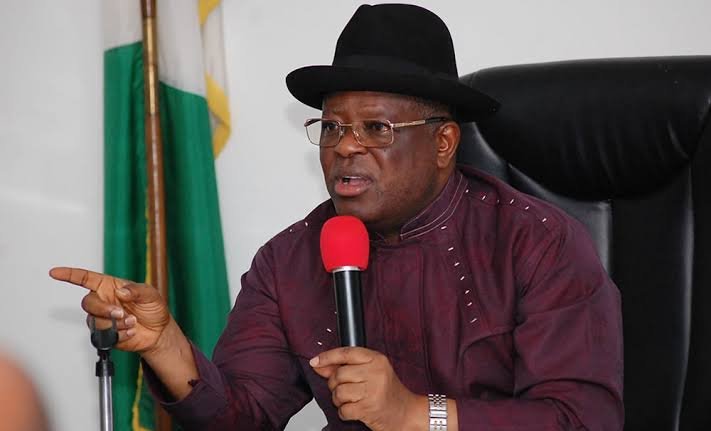
The Minister of Works, David Umahi, has expressed concern over the vandalism of sections of the Lagos-Calabar Coastal Highway, warning that continued damage could undermine a major national infrastructure project.
The minister’s concerns highlight the growing challenge of protecting large-scale infrastructure from theft, destruction, and unauthorised activities.
Vandalism Threatens Infrastructure
Infrastructure vandalism can increase project costs and delay completion.
Furthermore, damaged materials and equipment require additional resources for replacement, repairs, and security.
Vandalism wastes public resources.
Repairs increase project costs.
Delays affect communities.
Coastal Highway Remains Strategic
The Lagos-Calabar Coastal Highway is designed to improve connectivity along Nigeria’s southern corridor.
Furthermore, the project is expected to strengthen movement between major coastal communities while supporting trade, tourism, logistics, and economic activities.
Better roads improve connectivity.
Connectivity supports commerce.
Infrastructure encourages investment.
Protecting Public Investment
Umahi’s concerns also raise questions about the protection of government infrastructure.
Furthermore, major projects require cooperation between security agencies, contractors, local authorities, host communities, and residents.
Security protects investments.
Community vigilance can prevent damage.
Stakeholder cooperation strengthens infrastructure protection.
Community Responsibility Matters
Host communities can play an important role in protecting infrastructure located within their areas.
Furthermore, residents can report suspicious activities and support authorities in preventing theft or destruction.
Community ownership encourages protection.
Public awareness discourages vandalism.
Prompt reporting can prevent losses.
Economic Consequences
Vandalism affects more than construction schedules.
Furthermore, repeated damage can divert resources away from other development priorities because additional funds may become necessary for repairs and replacement.
Public funds require protection.
Projects require continuity.
Development requires responsible citizenship.
Stronger Security Measures Needed
Protecting the highway will require coordinated security efforts.
Furthermore, authorities may need stronger surveillance, community engagement, access control, and rapid response mechanisms around vulnerable sections of the project.
Security reduces risks.
Surveillance improves monitoring.
Coordination strengthens response.
Looking Ahead
Umahi’s warning underscores the importance of protecting the Lagos-Calabar Coastal Highway as construction continues.
The project represents a significant public investment, making the protection of construction materials, equipment, completed sections, and supporting infrastructure essential.
Government agencies cannot protect major infrastructure alone.
Contractors, communities, security agencies, traditional leaders, and citizens all have roles to play.
Ultimately, the message is clear: vandalising national infrastructure harms everyone. Protecting projects such as the Lagos-Calabar Coastal Highway protects public investment, accelerates development, and preserves opportunities for future generations.