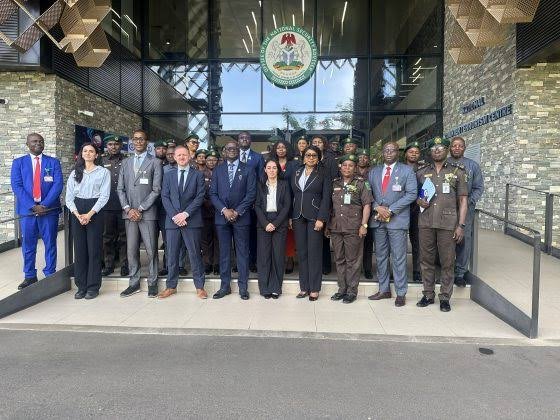
The Nigeria National Petroleum Company Limited–Project Monitoring Office (NNPCL-PMO) has called on host communities along the Trans Niger Pipeline (TNP) corridor to remain vigilant and actively safeguard the vital oil infrastructure against the activities of vandals and economic saboteurs.
The agency stressed that the protection of strategic national assets requires collective responsibility, urging residents, community leaders, youth groups, and local stakeholders to work closely with security agencies and relevant authorities to prevent acts of pipeline vandalism and illegal oil-related activities.
Furthermore, the NNPCL-PMO noted that stronger community participation in protecting energy infrastructure will contribute significantly to national economic stability and sustainable development.
Pipeline Protection Supports National Economy
The Trans Niger Pipeline remains one of Nigeria’s major oil transportation facilities, playing a crucial role in the movement of crude oil and supporting the country’s petroleum industry.
The Project Monitoring Office explained that attacks on pipelines not only disrupt production but also result in significant economic losses, environmental degradation, and threats to public safety.
Moreover, acts of vandalism undermine national revenue generation and discourage investment in the oil and gas sector, making the protection of critical infrastructure a priority for government and host communities alike.
Communities Have a Critical Role to Play
The NNPCL-PMO emphasized that communities located along pipeline routes are important partners in safeguarding national assets.
Residents were encouraged to promptly report suspicious movements, illegal connections, vandalism attempts, or any activities capable of threatening the integrity of the pipeline to security agencies and appropriate authorities.
In addition, stronger collaboration between local communities, traditional institutions, government agencies, and security personnel will enhance surveillance and improve the effectiveness of efforts to combat crude oil theft and pipeline vandalism.
Such cooperation is expected to strengthen community ownership of critical infrastructure while promoting peace and economic stability.
Protecting Infrastructure Promotes Development
The agency noted that secure oil infrastructure supports continuous production, stable government revenue, employment opportunities, and broader economic growth across the country.
Sustained operations within the petroleum sector provide resources for national development through investments in infrastructure, education, healthcare, and other essential public services that benefit millions of Nigerians.
Furthermore, protecting pipelines helps reduce environmental pollution caused by oil spills and illegal refining activities that damage ecosystems and threaten the livelihoods of surrounding communities.
Collective Action Against Economic Sabotage
The NNPCL-PMO reiterated that pipeline vandalism and crude oil theft remain serious economic crimes capable of undermining national development and weakening investor confidence in Nigeria’s energy sector.
The office therefore urged all stakeholders to support ongoing efforts aimed at securing oil facilities while promoting lawful economic activities that benefit host communities and the nation as a whole.
Moreover, increased public awareness and community engagement will strengthen preventive measures against criminal activities targeting critical energy infrastructure.
Building a Secure Energy Future
The Project Monitoring Office reaffirmed its commitment to working with host communities, security agencies, and relevant stakeholders to ensure the continued safety and integrity of the Trans Niger Pipeline.
The agency expressed confidence that through vigilance, cooperation, and shared responsibility, communities can play a vital role in protecting national assets while supporting economic growth and environmental sustainability.
By safeguarding critical petroleum infrastructure, Nigeria can strengthen energy security, improve revenue generation, attract investment, and create a more stable foundation for long-term national development and prosperity.